A friendly, science-backed guide to dialing in your ideal chocolate chip cookie texture with simple ingredient and baking tweaks.
recipes
Updated September 21, 2026
Sourdough Discard in Brownies, Cookies, and Cakes

Maya Chen
Maya Chen is a passionate home cook, recipe developer, and mother of two who believes that great food doesn't have to be complicated. Drawing from her multicultural upbringing and time spent in professional test kitchens, she creates approachable, flavor-packed recipes designed for real life.
Sizzlea
recipes
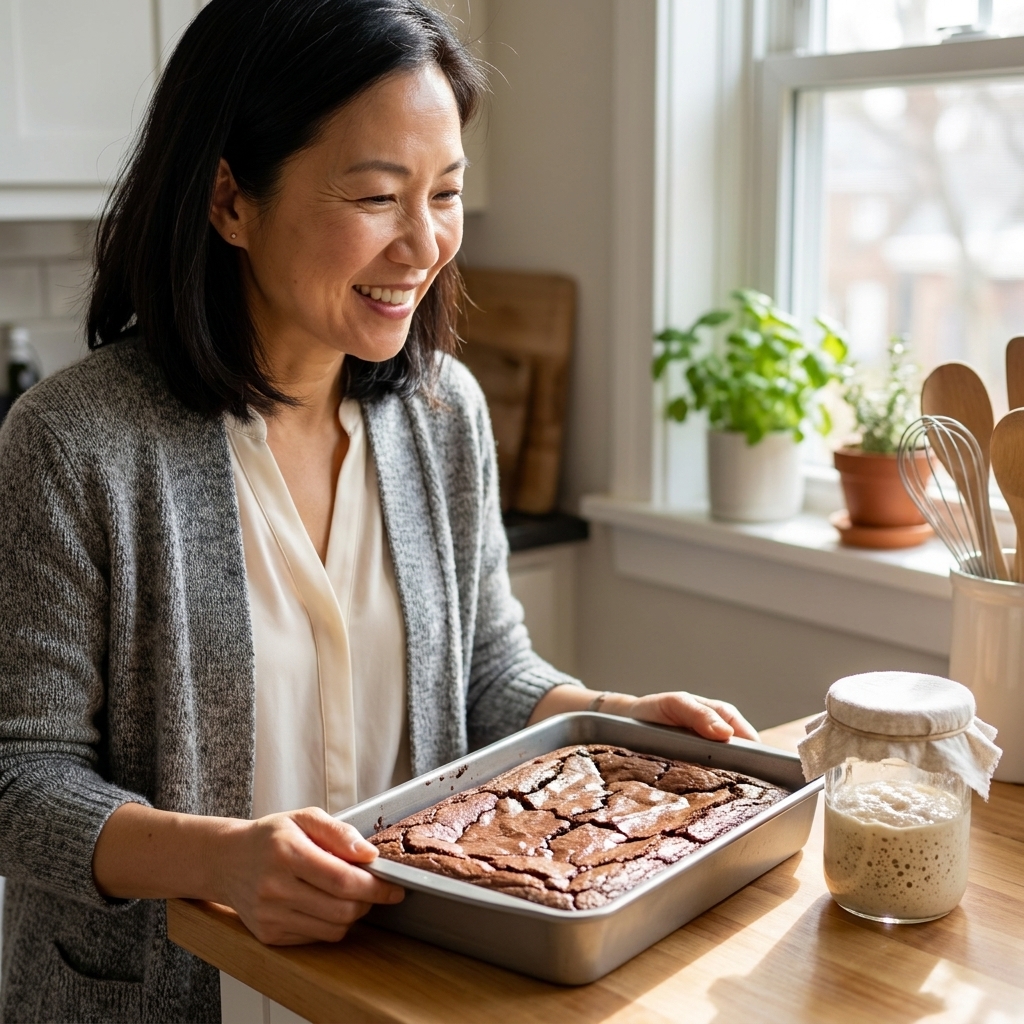
I used to treat sourdough discard like kitchen clutter. It sat in the fridge, judging me every time I opened the door, until I finally got honest: I was throwing away something that could make my desserts better. Not just “fine” or “healthy-ish” better. I mean richer, moister, chewier, more interesting better.
Sourdough discard brings two big gifts to sweet baking: a gentle tang that makes chocolate taste even more chocolatey, and extra moisture that can help brownies and cakes stay tender longer. And no, your cookies will not taste like a sandwich loaf. Think: depth, not sour.
Let’s turn that “discard” into the secret ingredient you actually look forward to using.
What sourdough discard does in desserts
Discard is usually unfed starter (the portion you remove before feeding). Some bakers also save extra fed starter for later baking, and that works here too. Either way, it is flour and water plus acids and some yeast activity. In sweet bakes, that translates to:
- More moisture and tenderness: The hydrated flour in discard helps hold onto water, especially in cakes and brownies.
- Better flavor: A subtle tang balances sugar and boosts cocoa, brown sugar, vanilla, and warm spices.
- Texture perks: Cookies can get chewier and brownies can get fudgier. Cakes can stay soft longer.
Important note: Many home starters are about 100% hydration (equal weights flour and water), but plenty of people keep stiffer starters too. If yours is thicker or runnier, you can still use it, just keep an eye on batter consistency and adjust with a spoonful of flour or liquid as needed.
Before you start
Use discard or active starter
Unfed discard is perfect here. Active starter works too; it is just more bubbly. In most brownies, cookies, and cakes, either is fine.
Room temperature mixes easier
Cold discard can cool and thicken melted butter or chocolate mixtures, and it can make batter a little lumpy. If you have 20 minutes, pull it from the fridge first. If not, microwave it for 5 to 10 seconds just to take the chill off.
Food safety check
Discard should smell pleasantly tangy, yeasty, or mildly sour. If you see mold or pink or orange streaks, or it smells rotten, throw it out and do not bake with it.
Salt (usually not an issue)
Most starters are just flour and water. If you maintain a salted starter (less common), keep in mind it can add a little salt to the batter, so you may want to slightly reduce the added salt in the recipe.
Do not count on discard for cake lift
Discard is not a dependable substitute for baking powder or baking soda in cake-style bakes. Use it for flavor and moisture, and keep the chemical leaveners unless you are following a specifically developed sourdough cake recipe.
The easiest swap
Here is the friendly, low-stress way I use discard in my everyday dessert recipes.
Rule of thumb
- Add 50 to 150 grams discard (about 1/4 to 2/3 cup) to a standard batch of brownies, cookies, or a single-layer cake.
- Then reduce flour and liquid to account for it.
Simple math for 100% hydration discard
If your discard is equal parts flour and water by weight:
- For every 100 g discard, subtract 50 g flour and 50 g liquid from the recipe.
What counts as “liquid”? Water, milk, buttermilk, cream, coffee, or juice. Eggs are trickier, so I usually adjust milk or water first.
If your recipe has no obvious liquid: This is common in brownies and cookies. In those cases, either (1) use a smaller amount of discard (50 to 80 g) and make no changes, or (2) reduce a small amount of fat or other moisture-contributing ingredient (like butter) and watch the texture. You will see examples below.
When you can skip the math
In fudgy brownies and chewy cookies, you can often add 50 to 80 g discard with no other changes because those recipes are already flexible. The batter or dough should look like it usually does: brownie batter thick and glossy, cookie dough scoopable and not runny.
Brownies
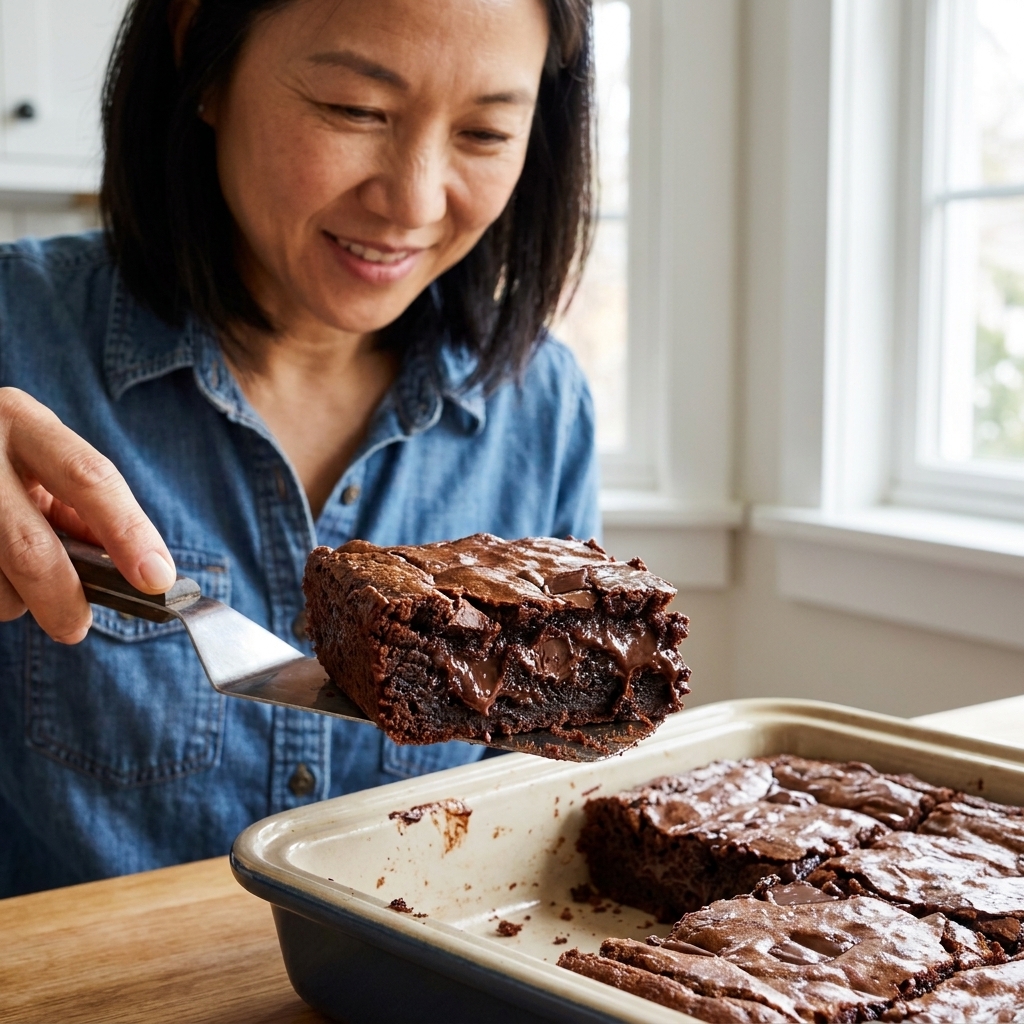
Brownies are where sourdough discard feels like a magic trick. That slight tang makes cocoa taste rounder and more intense, like you used better chocolate than you did.
Best styles for discard
- Fudgy brownies: Perfect. Discard adds moisture and chew.
- Cakey brownies: Also works, but measure carefully so you do not make the batter too wet.
How much to use
For an 8-inch pan batch:
- 50 to 120 g discard is the sweet spot.
Worked example (no obvious liquid)
Say your go-to brownie recipe uses:
- 120 g flour
- 225 g butter
- 2 eggs
- (No milk or water)
If you want to add 100 g discard (100% hydration), you are adding about 50 g flour + 50 g water. You can subtract the flour easily:
- Flour: 120 g becomes 70 g
For the “liquid” portion, since there is no milk to reduce, you have options. The simplest is to reduce butter a bit (it helps keep the batter from getting too loose):
- Butter: 225 g becomes 175 to 185 g (choose 180 g if you like a clear number)
Or, keep your butter the same and only add 50 to 80 g discard with no other changes.
Easy ways to mix it in
- Whisk into the eggs and sugar before adding dry ingredients. This helps it disappear smoothly.
- Or whisk into melted butter and chocolate once slightly cooled. If it looks like it might clump, add it slowly and keep whisking.
Flavor pairings
- Espresso powder or strong coffee
- Brown butter
- Dark cocoa
- Cherries, raspberries, or orange zest
- Toasted walnuts or pecans
Troubleshooting
- Batter seems too thick: Add 1 to 2 tablespoons hot water or coffee.
- Batter seems too thin: Add 1 to 2 tablespoons flour or cocoa powder.
- Tastes too tangy: Use less discard next time, and lean into vanilla and brown sugar. Also note that older discard tends to taste sharper.
Cookies
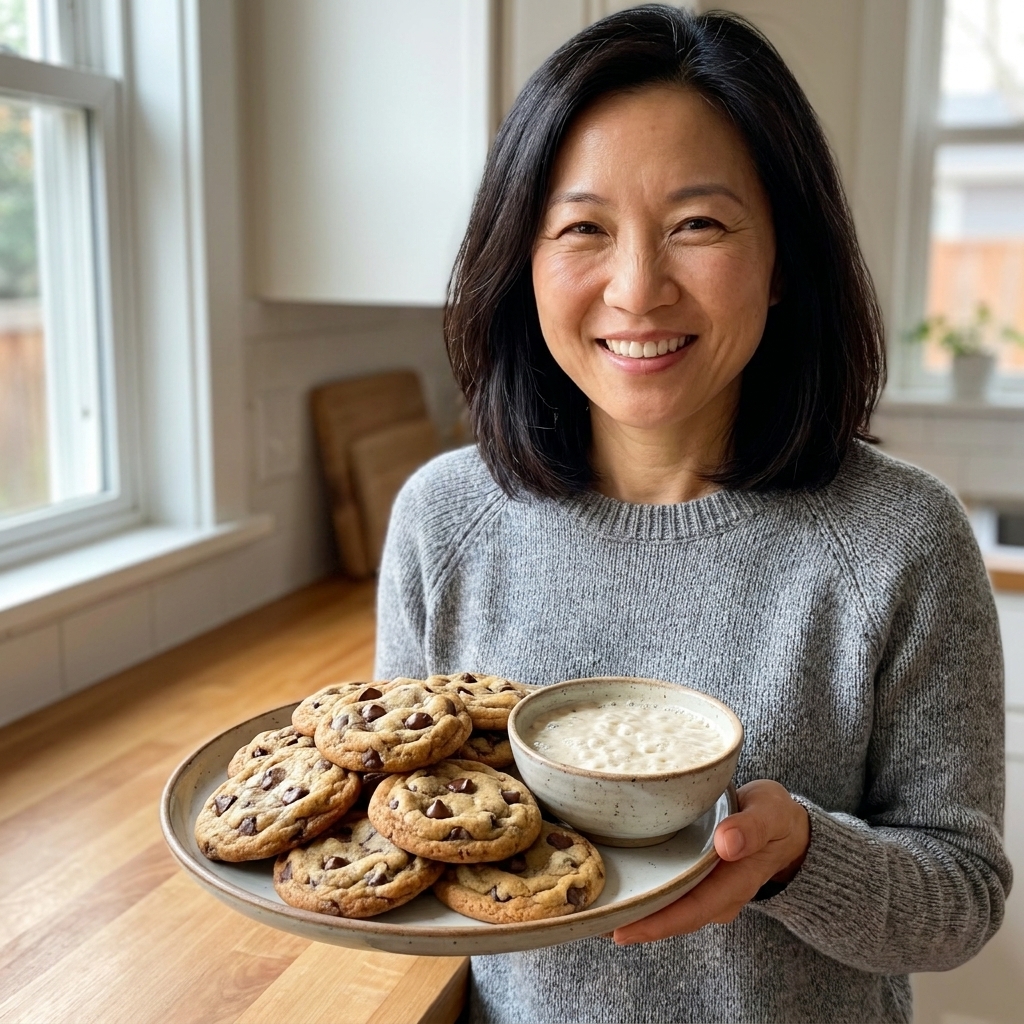
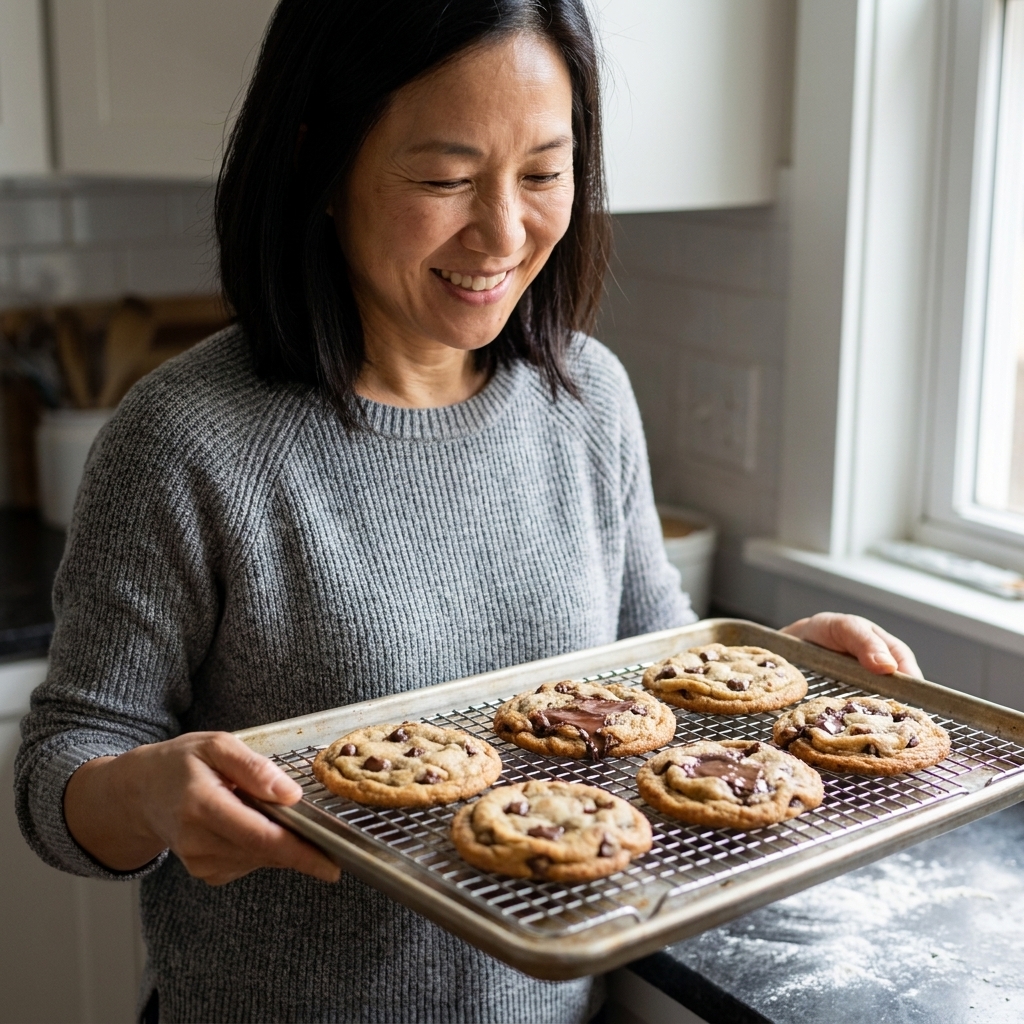
If you are a chewy cookie person, sourdough discard is your new best friend. It adds moisture and a little complexity, especially in brown-sugar-based doughs.
Cookies that work well
- Chocolate chip
- Oatmeal raisin
- Snickerdoodles (the tang plays so well with cinnamon sugar)
- Ginger molasses
- Peanut butter (use a smaller amount so it does not soften too much)
How much to use
- 30 to 80 g discard per standard cookie batch is plenty.
- If you go higher, you will often need to chill the dough longer and possibly add a bit more flour.
Worked example (cookie math)
Say your chocolate chip cookie recipe uses:
- 300 g flour
- 225 g butter
- 2 eggs
Add 60 g discard (100% hydration). That contributes about 30 g flour + 30 g water. An easy adjustment is:
- Flour: 300 g becomes 270 g
Since there is no obvious liquid, you can either leave everything else as-is and plan to chill, or reduce butter slightly if your dough tends to spread:
- Butter: 225 g becomes 205 to 215 g
If you are not in the mood for math, add 30 to 50 g discard and just judge the dough. If it scoops and holds its shape, you are good.
My no-stress method
Add discard when you cream butter and sugar, right after the egg and vanilla. Then mix in dry ingredients. If the dough feels sticky or slack, do not panic. Chill it.
Chill time matters
Discard hydrates flour, and hydrated flour needs time to settle down. For best results:
- Chill 1 to 2 hours minimum, or overnight for the best texture.
- If you are in a hurry, scoop dough balls and freeze 15 minutes.
Troubleshooting
- Cookies spread too much: Chill longer, use a bit less discard next time, or add 1 to 3 tablespoons flour.
- Cookies feel puffy and bready: You likely used too much discard or overmixed. Dial it back and mix just until combined.
- Flavor feels “flat”: Add 1/2 teaspoon extra vanilla, a pinch more salt, or swap some white sugar for brown sugar.
Quick note on tang: The older and more acidic your discard is, the more you will taste it. That can be amazing in molasses cookies and a little loud in a delicate sugar cookie. Adjust accordingly.
Cakes
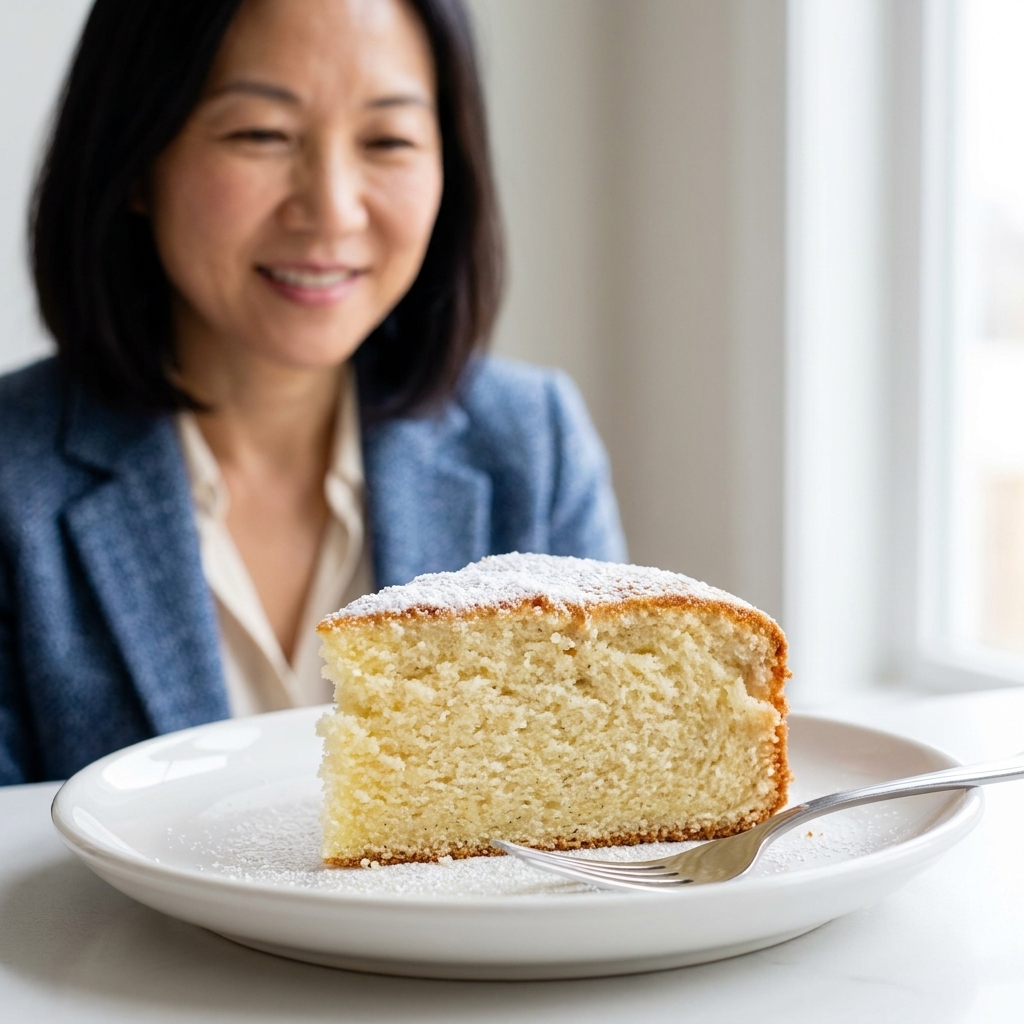
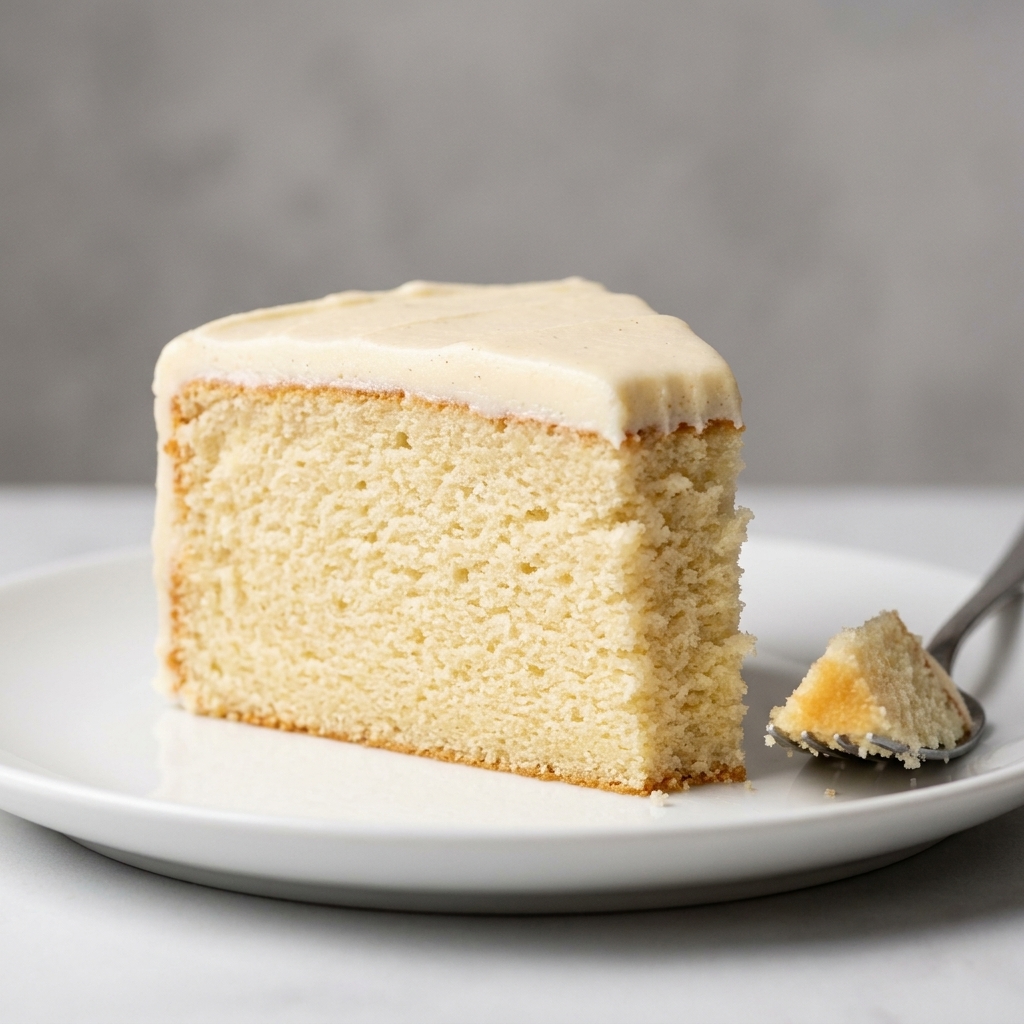
Discard in cake is not about making it sour. It is about making the crumb stay soft and plush, even on day two and day three, which is honestly when my kids decide cake suddenly becomes the most important food group.
Where discard shines
- Snack cakes (banana, pumpkin, zucchini)
- Chocolate cake
- Coffee cake
- Sheet cakes and simple layer cakes
How much to use
- 75 to 200 g discard depending on cake size and how wet the batter already is.
Adjusting a cake recipe safely
Because cakes are more sensitive than brownies, I recommend doing the simple math:
- Add your discard.
- Subtract half its weight from flour and half from liquid.
Example: Add 150 g discard. Reduce flour by 75 g and milk by 75 g.
Pairing ideas
- Chocolate: cocoa, espresso, sour-cream-style richness without necessarily adding dairy
- Spice cakes: cinnamon, cardamom, ginger, cloves
- Fruit: berries, apples, stone fruit, citrus zest
- Nutty: browned butter, toasted almonds, pecans
Troubleshooting
- Dense cake: Too much discard, overmixing, or not enough leavener. Keep your baking powder or soda, and mix gently once flour goes in.
- Gummy streaks: Batter was too wet or underbaked. Check doneness with a skewer and give it another 5 minutes if needed.
- Too tangy: Pair with vanilla frosting, cream cheese frosting, or a sweeter glaze, and use a smaller amount next bake. Older discard also tastes sharper.
Do you need baking soda?
Sometimes, and it depends on what you are baking.
- Brownies and cookies: If the recipe already uses baking soda, keep it. If it uses only baking powder, you can usually leave it as-is. Discard adds acidity, but not in a measured, predictable way for leavening.
- Cakes: Follow the recipe’s leaveners unless you are using a sourdough-specific cake recipe that accounts for acidity and timing.
If you are experimenting and your bake feels heavy, a small pinch more baking powder (not soda) is usually the gentlest fix.
Flavor boosters
Because discard adds a subtle tang, it pairs beautifully with flavors that love contrast. Here are my go-tos when I want that “wow, what is in this?” moment.
- Chocolate + espresso: makes everything taste deeper
- Brown sugar + vanilla: cozy and caramel-y
- Citrus zest: lemon or orange lifts sweetness
- Warm spices: cinnamon, cardamom, ginger
- Toasted nuts: adds crunch and complexity
Storing discard
If you bake even once a week, keeping discard organized makes it feel like an ingredient instead of a chore.
- Fridge: Store discard in a jar with a loose lid. Use within 1 to 2 weeks for best flavor.
- Freezer: Freeze in 1/2 cup portions (silicone muffin cups are great). Thaw overnight in the fridge.
- Stir before measuring: Discard can separate. Give it a quick stir so your measurement is consistent.
FAQ
Will my desserts taste sour?
Usually no. Most people notice a gentle tang, more like “wow, this is balanced” than “this is sour.” If your discard is older and sharp smelling, use a smaller amount or refresh your starter.
Can I use discard straight from the fridge?
Yes, but it mixes smoother at room temperature. If you are adding it to melted chocolate or butter, cold discard can make mixtures cool down and clump, so warm it slightly.
Can I use discard in boxed mixes?
You can. Start small: add 50 g discard and reduce the water or milk by about 25 g if your discard is 100% hydration. If you add 80 g discard, reduce liquid by about 40 g. Boxed mixes can be a little sensitive, so mix, then check the batter. It should look like the batter normally does for that mix.
What if my starter hydration is not 100%?
No worries. Use the same idea: discard contributes flour and water, just in a different ratio. If your discard is very thick, reduce flour a bit less. If it is very runny, reduce liquid a bit more. Your batter should look like the original recipe intends.
My favorite first try
If you are standing in the kitchen with a jar of discard and a tiny spark of motivation, start with brownies. Add 75 g discard to your favorite fudgy brownie recipe, whisk it into the eggs and sugar, and bake as usual. Low risk, high reward, and you will immediately understand why I stopped throwing discard away.
Once you taste that deeper chocolate and extra chewy edge, cookies and cakes will feel like the obvious next stop.