Exact swaps for eggs, butter, and milk in your favorite baked goods, plus tips for cookies, cakes, brownies, and quick breads so nothing turns out gummy or dry.
recipes
Updated September 21, 2026
7 Common Cake Baking Mistakes (and How to Fix Them)

Maya Chen
Maya Chen is a passionate home cook, recipe developer, and mother of two who believes that great food doesn't have to be complicated. Drawing from her multicultural upbringing and time spent in professional test kitchens, she creates approachable, flavor-packed recipes designed for real life.
Sizzlea
recipes
If you have ever pulled a cake from the oven and thought, “Why does it look like it sighed in the middle?” you are in very good company. I have baked cakes in professional test kitchens and in my own very real-life kitchen with kids asking for snacks mid-mix, and I can tell you this: most cake problems come from a small handful of repeat offenders.
This guide walks you through the 7 most common cake baking mistakes, what they look like, why they happen, and exactly how to fix them. No fancy tools required. Just a few small habit shifts that make your cakes taller, softer, and way less stressful.
One quick note: different cake styles behave differently (butter cakes vs oil cakes, sponge vs chiffon), but these fixes solve most everyday layer-cake issues.
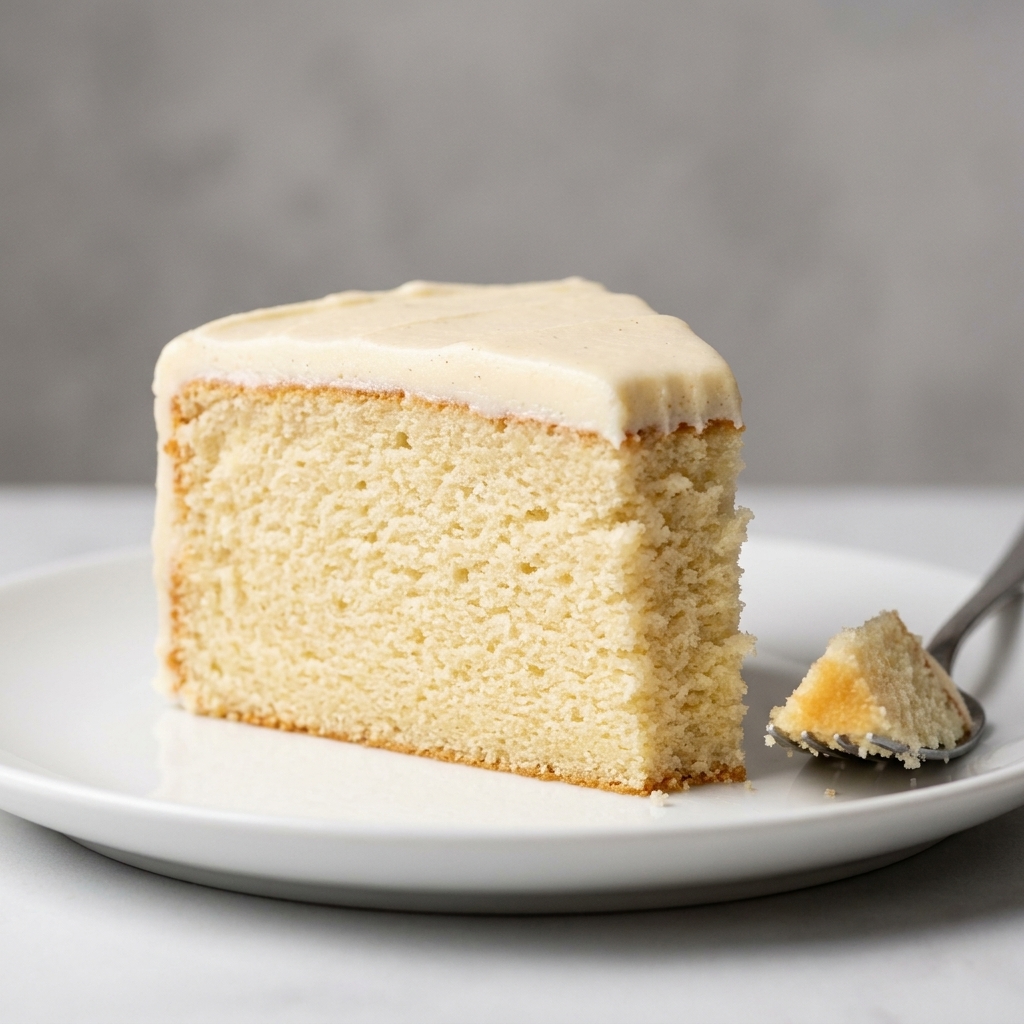
1) Your cake sinks in the center
What you see: A crater or dip in the middle, sometimes with a slightly gummy line right under the sunken spot.
Why it happens: The center is underbaked, the batter was overbeaten (or the butter and sugar were creamed too long), the oven temperature is off, or the cake was jolted before it set (hello, oven door slam).
Exactly how to fix it
- Do not trust the timer alone. Start checking early, but bake until the center is truly set. A toothpick should come out with a few moist crumbs, not wet batter.
- Look for visual cues. The edges should look set and may start to pull slightly from the pan, and the center should no longer look glossy or wobble when you gently nudge the pan.
- Use the spring test. Gently press the center. If it springs back, you are close. If your finger leaves a dent, it needs more time.
- Open the oven later, if you can. For many layer cakes, it is best not to open the door during the first 20 to 25 minutes. For thinner layers, cupcakes, or convection ovens, that “no-peeking” window is often shorter. A good rule is to wait until the edges look set before you start checking.
- Verify oven temp. An inexpensive oven thermometer is the fastest way to catch a too-hot or too-cool oven.
- Measure leaveners carefully. Too much baking powder or baking soda can make a cake rise fast and then fall.
Quick save
If the cake is only slightly sunken and tastes good, level it with a serrated knife and use the scraps for parfaits. Frosting is also an excellent confidence booster.
2) The cake is dense and heavy
What you see: A tight crumb, squat layers, and a cake that feels more like a doorstop than dessert.
Why it happens: Overmixing after adding flour, too much flour, cold ingredients that did not emulsify, or expired leaveners.
Exactly how to fix it
- Weigh your flour if you can. A kitchen scale is the single easiest upgrade for consistent cakes. If using cups, spoon flour into the cup and level it off. Do not scoop straight from the bag.
- Mix gently once flour goes in. After adding flour, mix on low just until you do not see dry streaks. Overmixing develops gluten, which is great for bread and not-so-great for cake.
- Bring key ingredients to room temp. Butter, eggs, and dairy mix together smoothly when they are not ice-cold. Cold ingredients can lead to a thick batter that bakes up dense.
- Check your baking powder and baking soda. Baking powder: add a pinch to hot water. It should bubble vigorously. Baking soda: add a pinch to vinegar or lemon juice. It should fizz actively. If you are on the fence, replace it (especially if it is past the date or has been open for a long time).
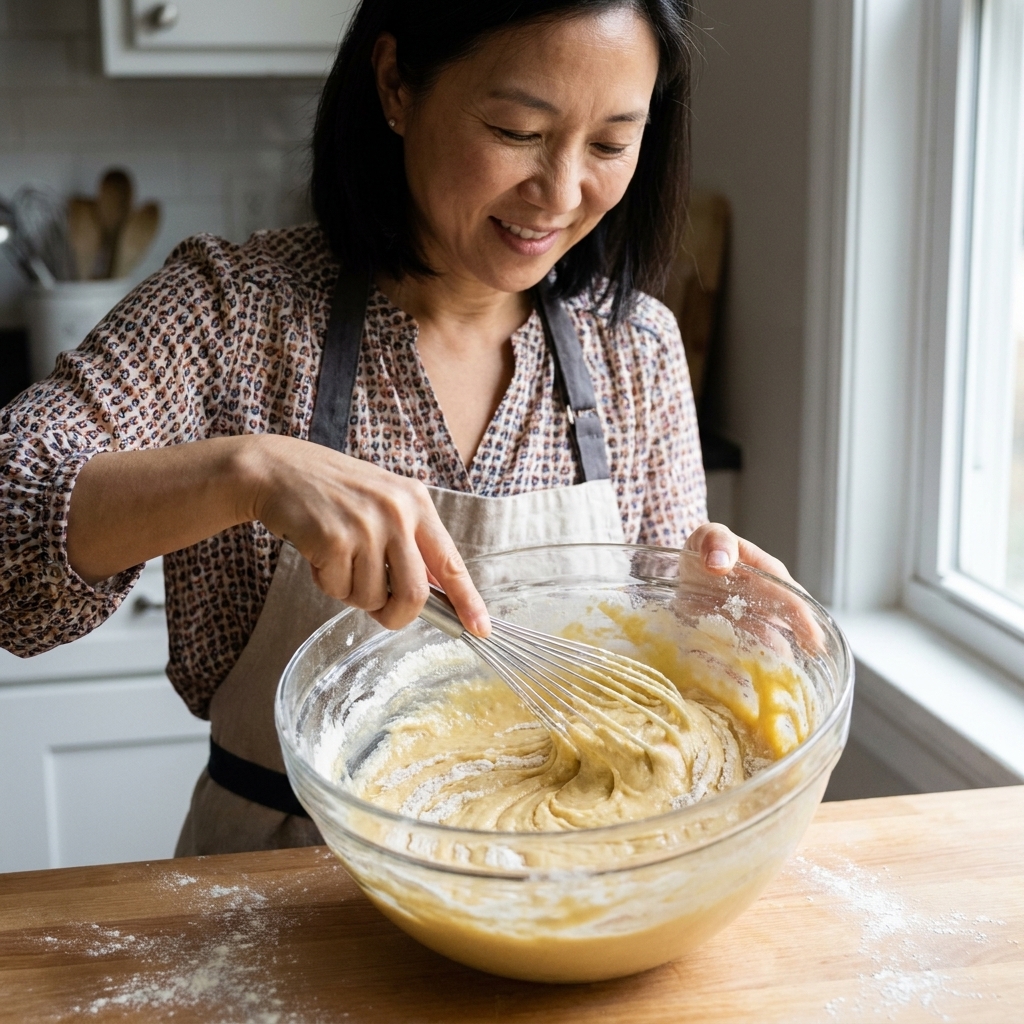
3) The cake is dry or crumbly
What you see: A cake that looks fine but eats dry, or it crumbles when you slice it. Sometimes the edges are tough.
Why it happens: Overbaking, too much flour, not enough fat or sugar for the style of cake, or storing it uncovered.
Exactly how to fix it
- Do not bake past done. Cakes keep cooking from residual heat, so you want to pull them when they are just set. Use real benchmarks: a toothpick in the center should come out with moist crumbs (not wet batter), the top should spring back lightly, and the center should not jiggle.
- Optional pro cue: check temperature. If you like using a thermometer, many butter and oil-based cakes land around 200 to 210°F (93 to 99°C) in the center. Sponge-style cakes can vary, so treat this as a helpful guide, not the only test.
- Use the right pan size. If you bake the same batter in a larger pan than intended, the layer is thinner and overbakes quickly.
- Do not skip sugar. In cake, sugar is not only sweetener. It holds moisture and keeps the crumb tender. Reducing it drastically changes texture.
- Wrap while slightly warm. Once the cake is cool enough to handle but still a touch warm, wrap layers tightly in plastic wrap to lock in moisture.
Quick save
Brush each layer with a simple syrup (equal parts sugar and water, warmed until dissolved, then cooled). Even 2 to 3 tablespoons per layer can bring a dry cake back to life.
4) The cake domes or cracks
What you see: A tall dome in the middle, cracked top, or edges that look overbaked while the center lags behind.
Why it happens: Oven is too hot, the pan conducts heat too aggressively, or the batter is too deep for the heat to travel evenly.
Exactly how to fix it
- Lower the oven temperature slightly. If your cakes consistently dome and crack, try reducing by 25°F (about 15°C) and baking a few minutes longer.
- Use light-colored metal pans. Dark pans brown faster and can overbake edges before the center sets.
- Try cake strips. Damp cake strips wrapped around the pan slow down the edge baking so the center and sides rise more evenly.
- Rotate once, not repeatedly. If your oven has hot spots, rotate the pan about two-thirds of the way through baking. Too much rotating can lead to sinking.
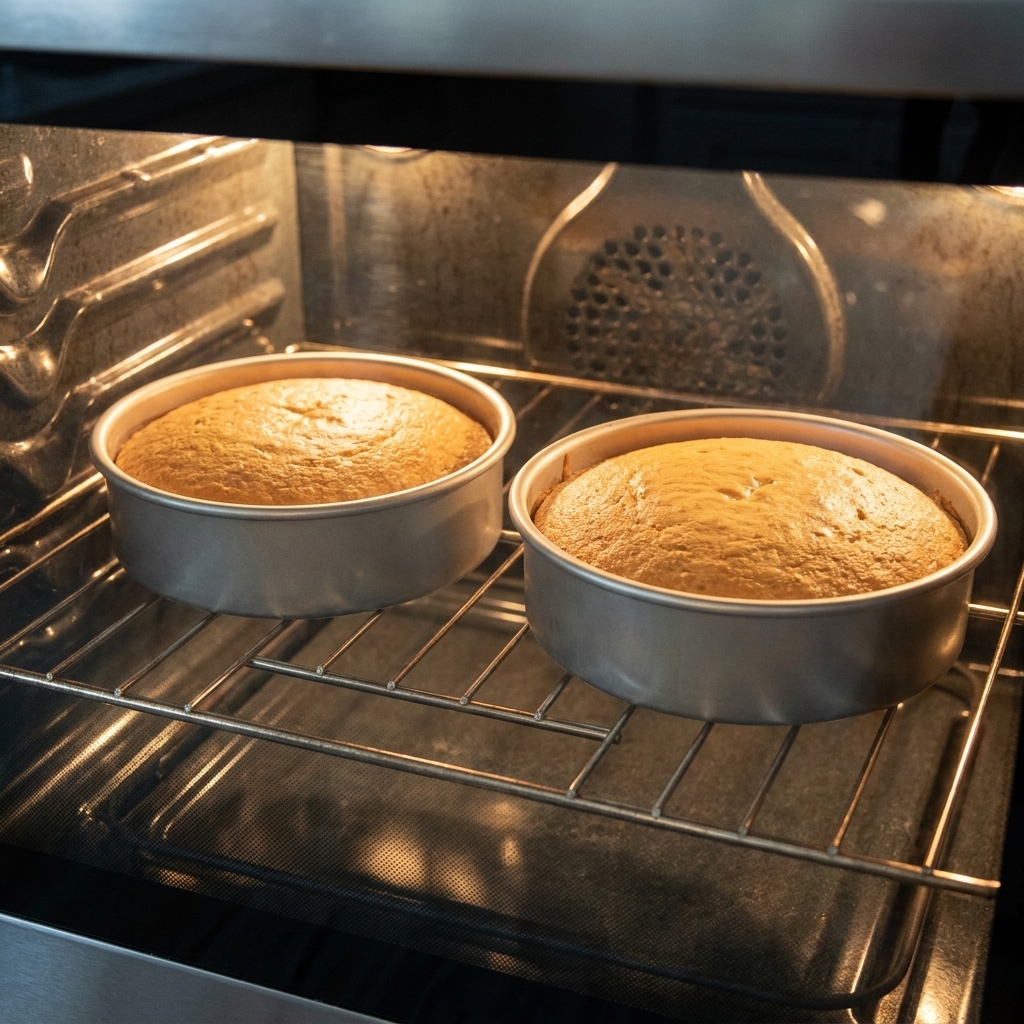
5) The cake sticks to the pan
What you see: A cake that refuses to come out, or it comes out missing a chunk. Instant heartbreak.
Why it happens: Pan not prepped thoroughly, cake cooled too long in the pan, or delicate cakes that need extra insurance.
Exactly how to fix it
- Prep like you mean it. Grease the pan, line the bottom with parchment, then grease again and dust with flour (or cocoa for chocolate cake).
- Use a parchment circle. This is the simplest “why didn’t I do this sooner” habit. It makes unmolding dramatically easier.
- Cool for the right amount of time. Most cakes should cool in the pan 10 to 15 minutes, then turn out. Too soon and it can break. Too long and it can steam and stick.
- Loosen the edges. Run a thin knife or small offset spatula around the edge before turning out.
Quick save
If a piece sticks, press it back on while the cake is still warm. Frosting covers a multitude of sins, and the cake will still taste amazing.
6) The cake has tunnels or holes
What you see: Large air pockets running through the crumb, sometimes near the top.
Why it happens: Overmixing, batter sitting too long before baking, or too much leavener.
Exactly how to fix it
- Mix just until combined. Especially after flour is added. Big tunnels are often a sign you beat the batter too hard or too long.
- Get it into the oven promptly. Once baking powder meets liquid, it starts working. If batter sits on the counter, lift decreases and the crumb can bake up uneven.
- Tap the pan, gently. A couple of light taps on the counter helps pop large bubbles without deflating the whole cake.
- Measure baking powder precisely. Level teaspoons. No heaping “because I want it extra fluffy.”
7) The cake is tough or rubbery
What you see: A chewy bite and a springy, almost elastic crumb. It might feel “bouncy” when you cut it.
Why it happens: Too much mixing, too much flour, or a recipe ratio that is off (often from substitutions).
Exactly how to fix it
- Cream to light and fluffy, not forever. Creaming adds air, but going too long can over-aerate the batter. Those larger air bubbles can expand in the oven and then collapse, leaving a coarse or odd texture. Aim for pale and fluffy, then stop.
- Fold carefully if using whipped eggs or whites. If a recipe relies on whipped eggs for lift, folding too aggressively knocks out air, and overworking can toughen the batter.
- Be cautious with swaps. Replacing butter with less-fat options, cutting sugar heavily, or using high-protein flour can all push a cake toward tough.
- Use cake flour when called for. Cake flour has less protein, which helps keep cakes tender.
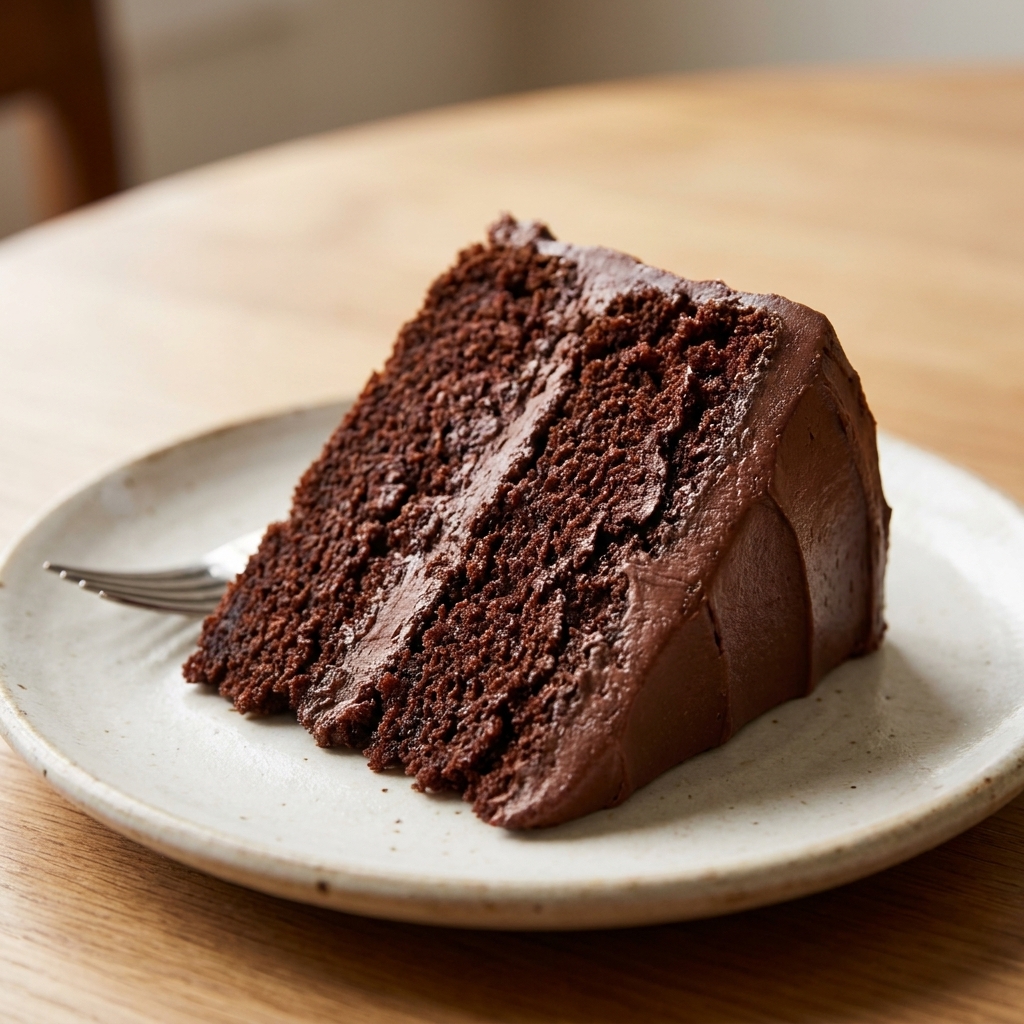
Mini troubleshooting cheat sheet
- Sunken center: underbaked, oven door opened too early, too much leavener, overbeaten batter
- Dense cake: too much flour, overmixed, cold ingredients, expired leavener
- Dry cake: overbaked, wrong pan size, reduced sugar, stored uncovered
- Domed or cracked: oven too hot, dark pan, uneven heat
- Sticking: skipped parchment, cooled too long in pan, not greased well
- Tunnels: overmixing, too much leavener, batter sat too long
- Tough crumb: overmixing, high-protein flour, heavy substitutions
FAQ
Why did my cake sink after I took it out of the oven?
Most often it was not fully set in the center. The cake can look done on top but still be underbaked inside. Next time, check doneness in the center with a toothpick and the spring test, look for a center that is no longer glossy or jiggly, and let it bake a few more minutes if needed.
Can I put a sunken cake back in the oven?
If you catch it immediately and the center is clearly underbaked, sometimes you can return it to the oven for a short time. If it has already cooled and collapsed, baking it again usually dries it out. I would level and frost, or repurpose into trifle.
What is the biggest mistake people make with cake?
Overmeasuring flour is a big one, especially when scooping directly from the bag. If you only change one habit, spoon and level your flour or use a scale. It makes a noticeable difference fast.