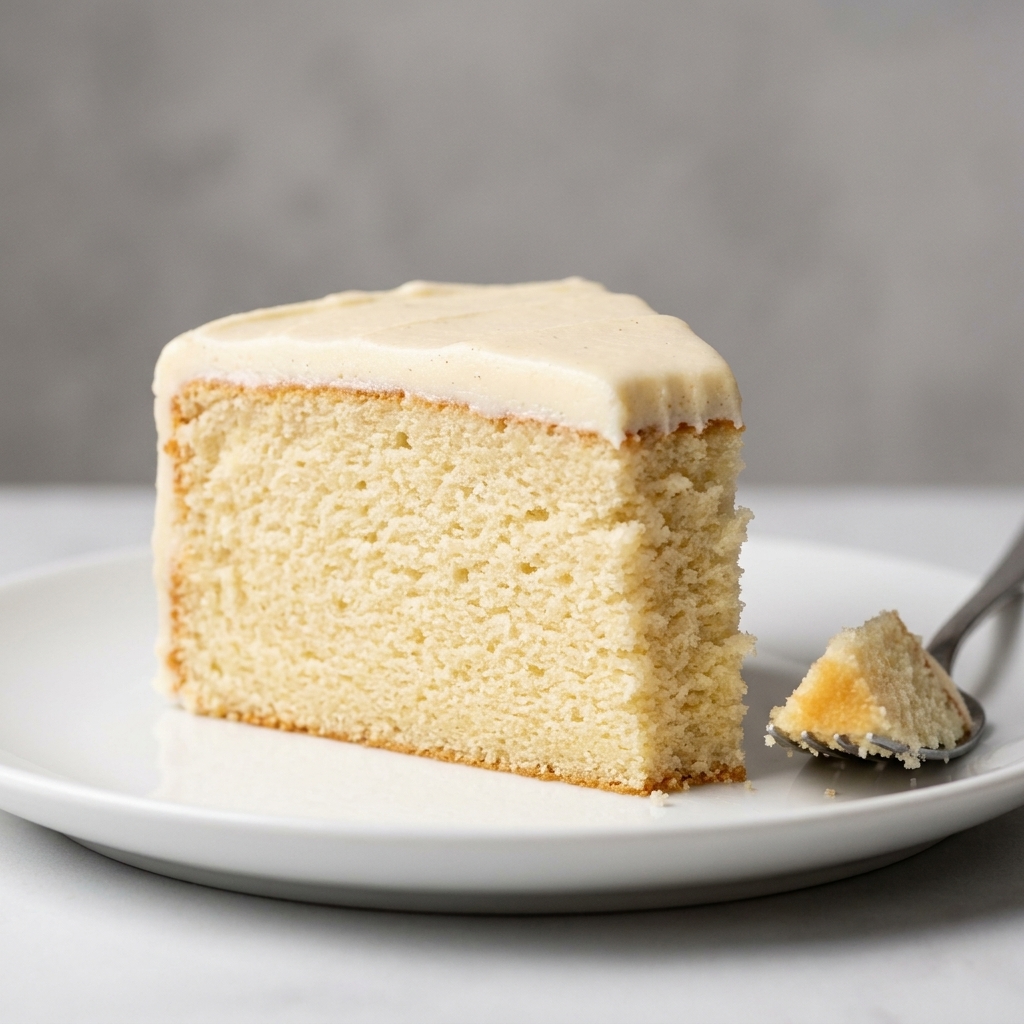
Troubleshoot sunken centers, dense crumbs, and dry textures with practical, test-kitchen-style fixes that actually work for homemade cakes.
recipes
Updated September 21, 2026
12 Essential Baking Tools Every Home Baker Needs

Maya Chen
Maya Chen is a passionate home cook, recipe developer, and mother of two who believes that great food doesn't have to be complicated. Drawing from her multicultural upbringing and time spent in professional test kitchens, she creates approachable, flavor-packed recipes designed for real life.
Sizzlea
recipes
Confession: I used to think “good baking” meant owning everything. Fancy gadgets. Specialty pans. The kind of tools that look cute in a drawer but somehow never make it to the counter when you actually need them.
Then I worked in test kitchens, had two kids, and started baking in the real world where your measuring cups are hiding under a pile of lunchbox stuff and the butter is always either rock-hard or suspiciously melty. The truth is, you only need a handful of truly reliable tools to bake consistently.
Here are the 12 baking tools I consider essential for any home baker. These are the ones that save time, prevent heartbreak, and make your cookies and cakes come out the way you pictured them.
The 12 essentials
Not every baker needs the same extras, but these are the foundation. If you’re building your baking kit from scratch, start here.
1) Digital kitchen scale
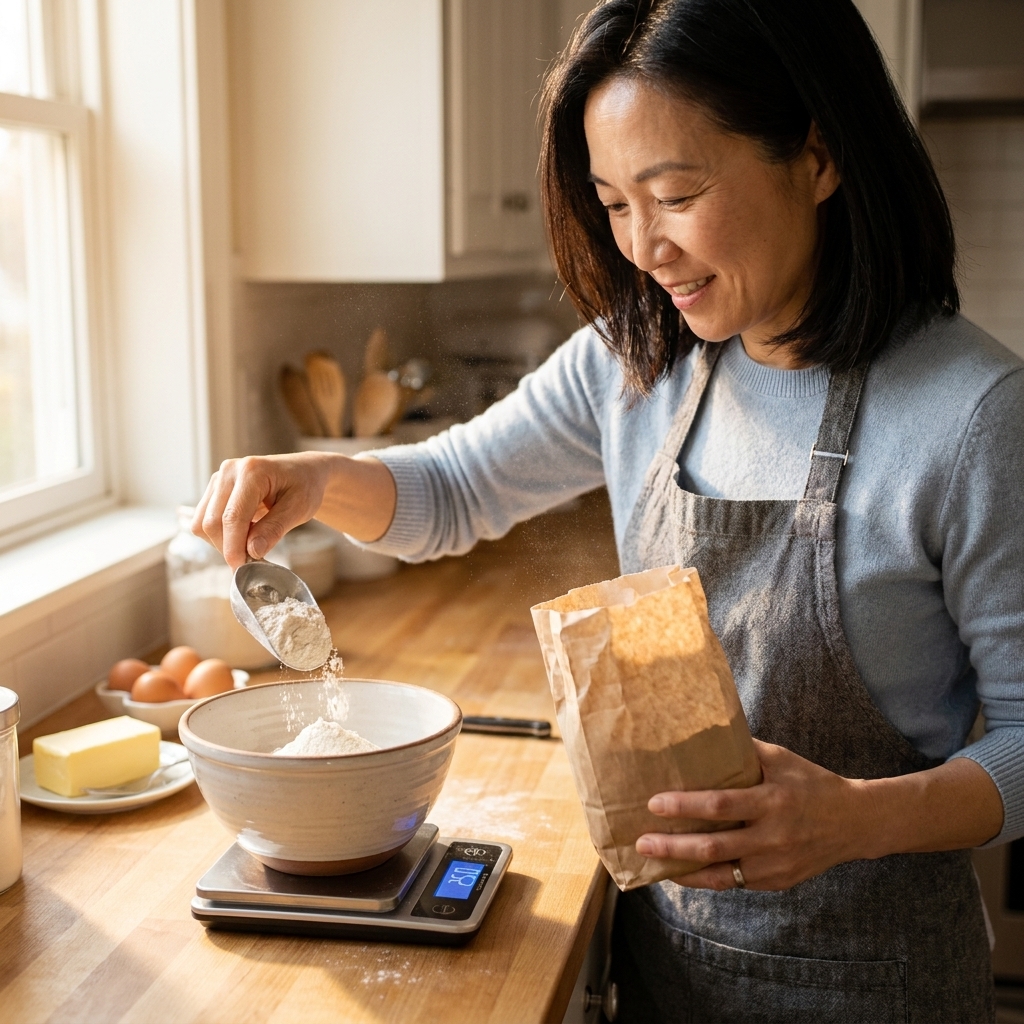
If you buy only one “upgrade” tool, make it a scale. Baking is chemistry and a scale is the quickest way to make that chemistry repeatable. Flour is the big one: one person’s “cup” can range widely depending on how it’s scooped and what flour you’re using, often landing around 120 to 150 grams or more. That swing can be the difference between tender and dry.
- What it fixes: dense cakes, dry muffins, inconsistent cookies
- Look for: grams and ounces, tare button, 1-gram precision
- Maya tip: set the bowl on the scale, hit tare, add ingredients right into the bowl and skip extra dishes
2) Oven thermometer
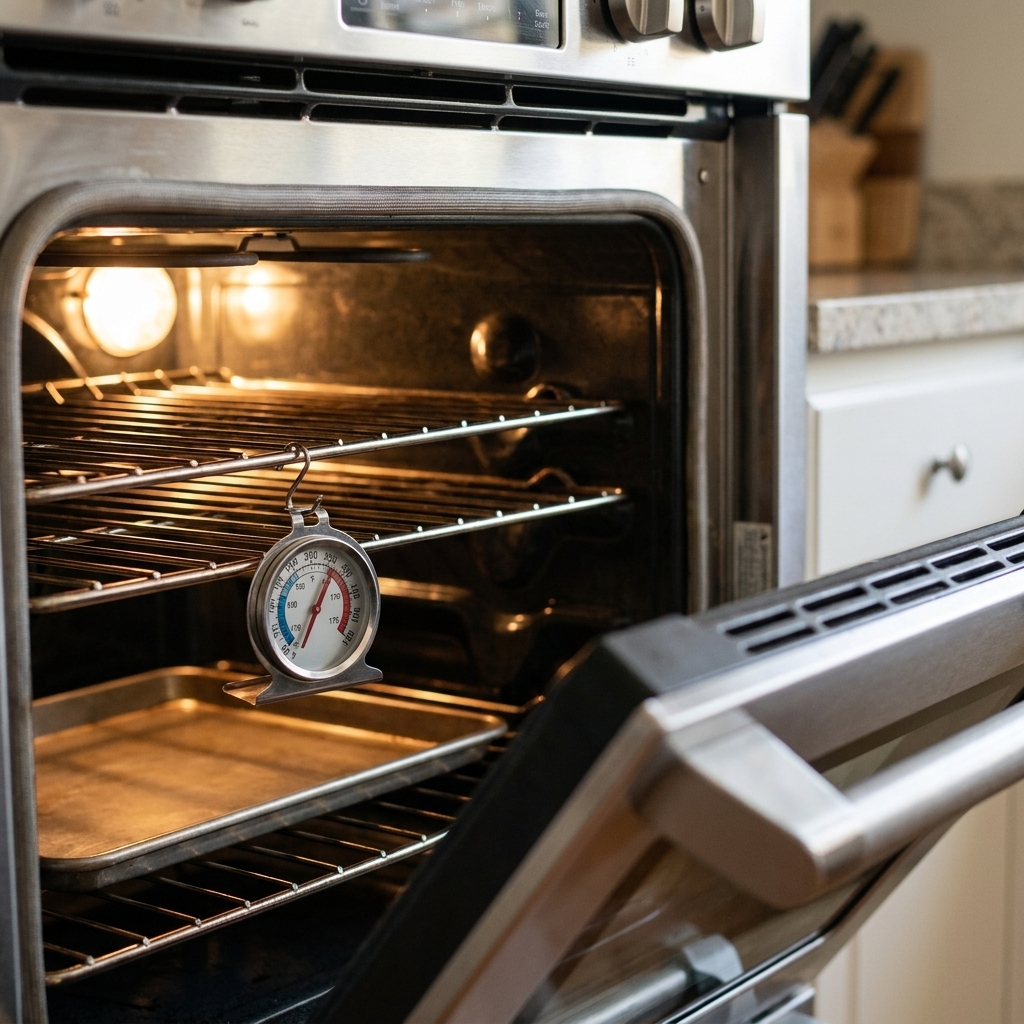
Your oven lies. I say that with love because mine does too. It’s common for home ovens to run hot or cold by 10 to 30°F (about 5 to 15°C), and many “preheated” beeps go off before the oven is truly stable. An oven thermometer tells you what temperature you are actually baking at, which is everything for cookies, cakes, and breads.
- What it fixes: burnt bottoms, pale cookies, sunk cakes, underbaked centers
- Look for: easy-to-read face, can hang or stand
- Maya tip: once it hits temp, give it a little extra time to stabilize, often 15 to 30 minutes for cakes and breads (and longer if you bake with a stone or steel)
3) Measuring cups (dry) and measuring spoons
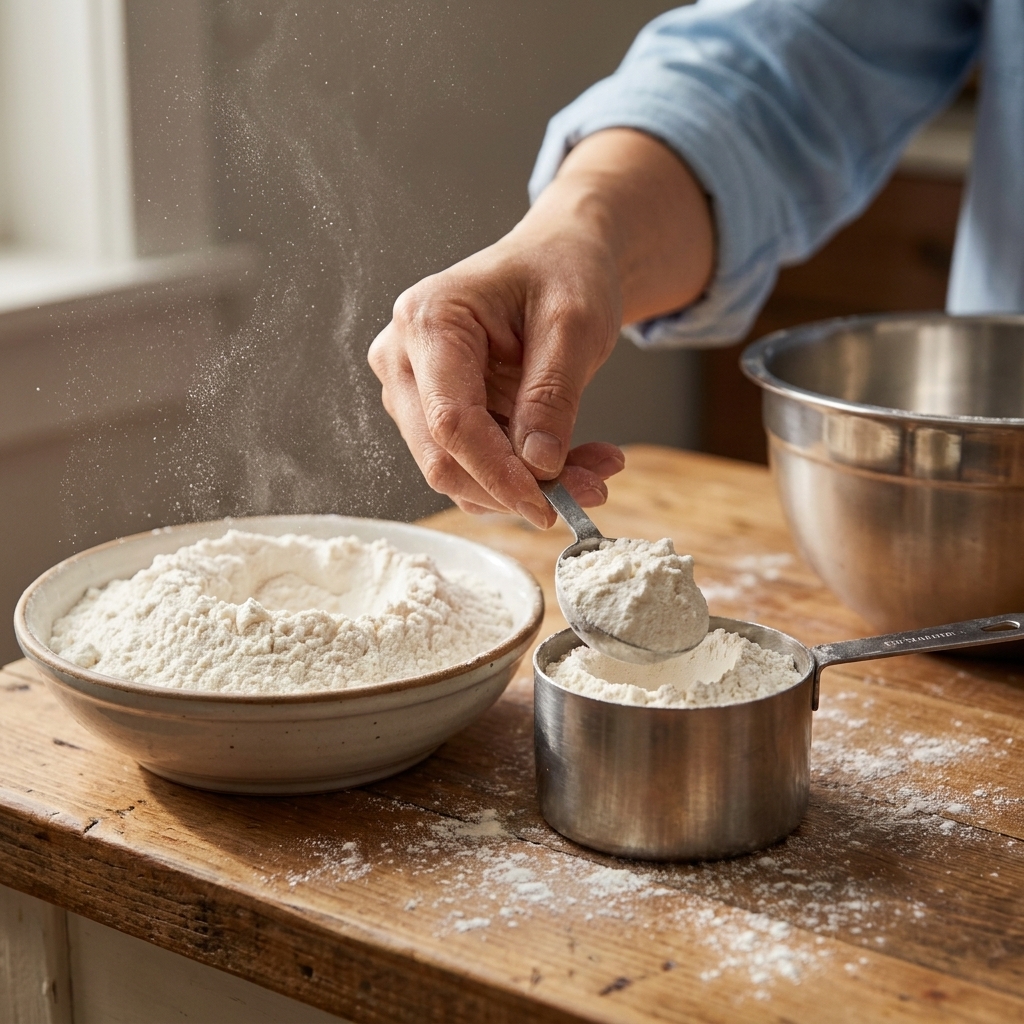
Even if you use a scale, you’ll still reach for measuring spoons daily. And for recipes written in cups, a sturdy set makes your life easier.
- What it fixes: over-salted dough, too much baking powder, inconsistent “cup” sizes
- Look for: clearly stamped measurements, metal cups that level cleanly
- Maya tip: for flour, spoon it into the cup and level it off with a straight edge, don’t scoop straight from the bag
4) Liquid measuring cup (with a spout)
Liquid measuring cups are designed to be read at eye level, which is the whole point. Using a dry cup for liquids is the fastest way to overpour.
- What it fixes: too-wet batters, dense pancakes, gummy quick breads
- Look for: clear markings, a comfortable handle, a drip-resistant spout
5) Mixing bowls (at least 2 to 3)
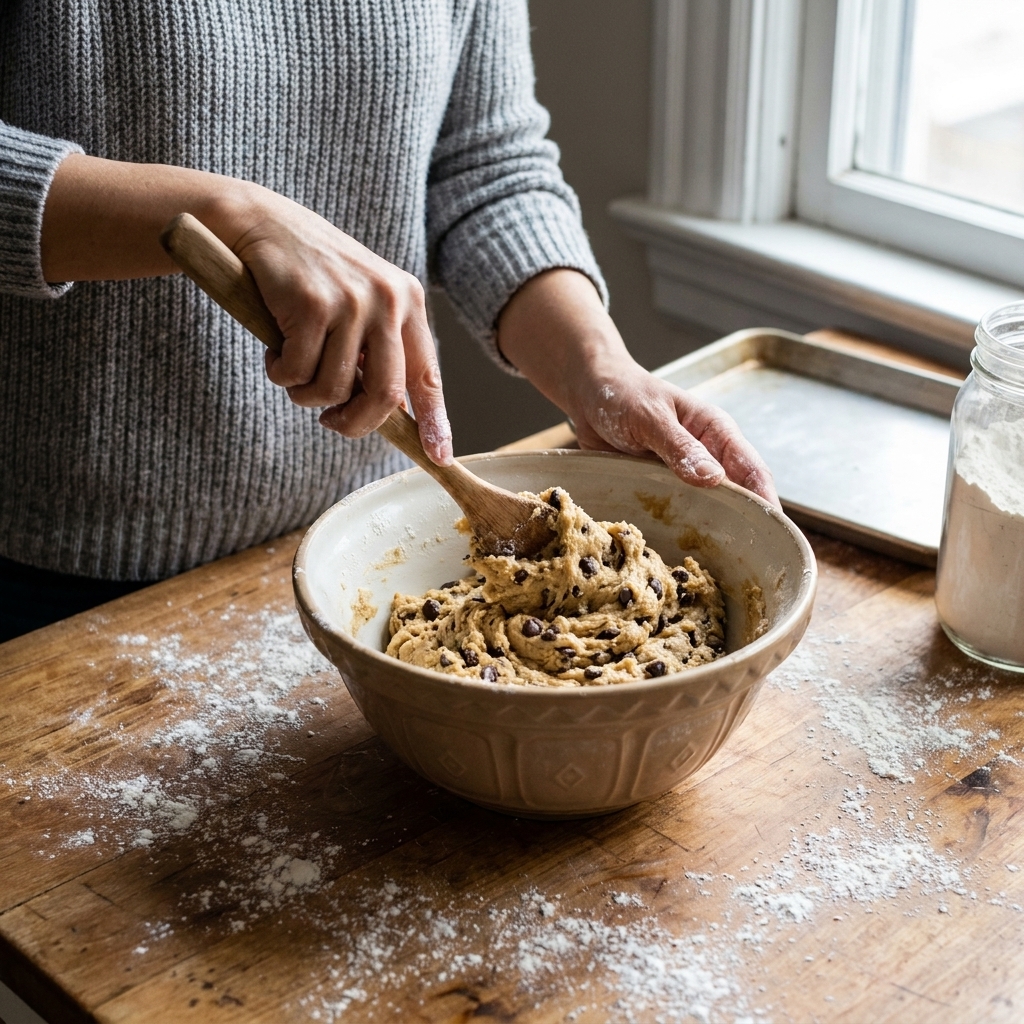
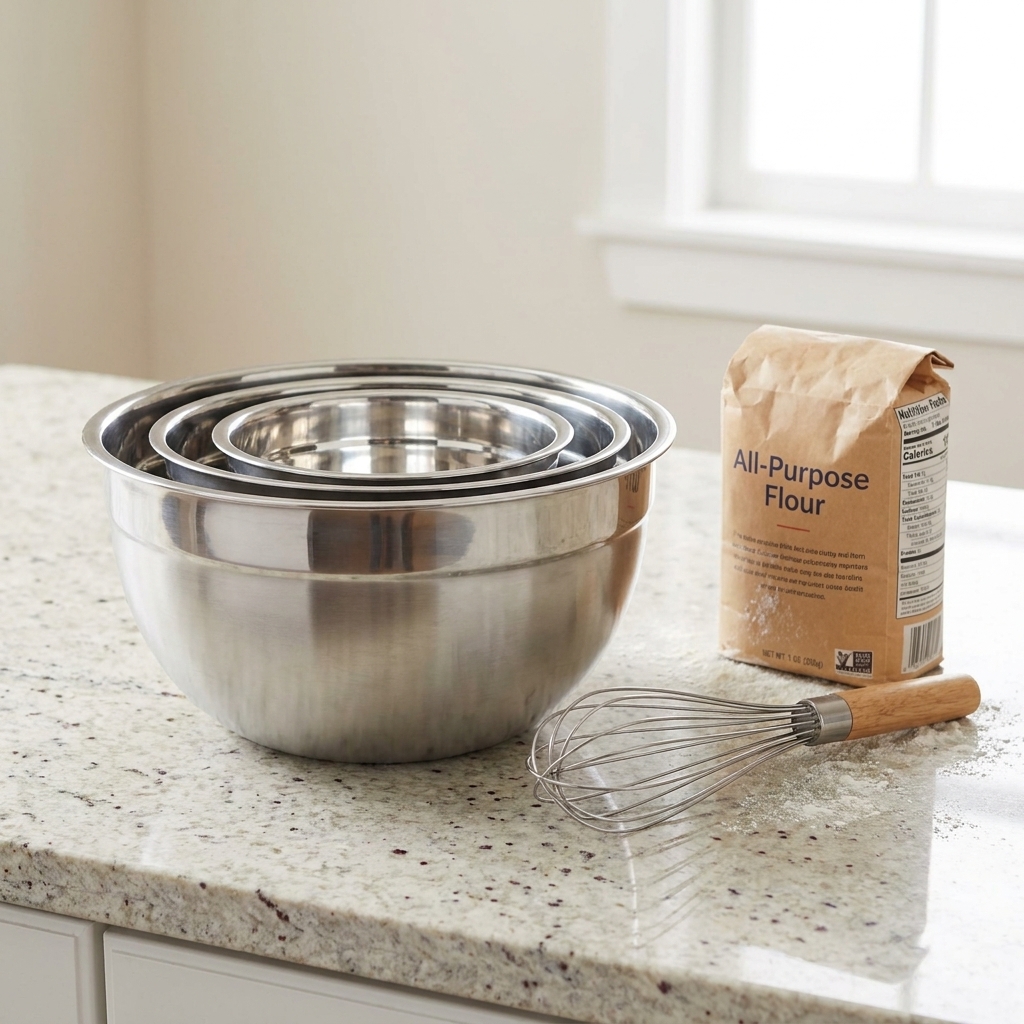
I love a mismatched bowl collection, but having a few bowls that nest and don’t slide around is a real quality-of-life upgrade. You want at least one large bowl for doughs and one medium bowl for whisking dry ingredients.
- What it fixes: cramped mixing, flour explosions, awkward stirring
- Look for: stainless steel or glass, wide base, easy to grip
- Maya tip: put a damp paper towel under the bowl to keep it from skating across the counter
6) Whisk
A whisk is your low-effort aerator. It combines dry ingredients evenly, breaks up cocoa clumps, and smooths batters quickly so you’re less likely to overmix.
- What it fixes: pockets of baking soda, streaky batters, lumpy ganache
- Look for: a comfortable handle and sturdy wires that keep their shape
7) Silicone spatula (and a bench scraper)
If you have ever left a quarter cup of batter clinging to the bowl, you already understand why spatulas matter. I like having one flexible silicone spatula for folding and one firmer bench scraper for cleaning bowls, lifting sticky dough, and dividing it cleanly.
- What it fixes: wasted batter, uneven mixing, streaky ingredients
- Look for: one-piece silicone (no detachable head where water gets trapped)
- Maya tip: fold gently for cakes and muffins: down, across, up, and rotate the bowl
8) Hand mixer or stand mixer
Do you need a stand mixer to bake? No. Do you need a reliable way to cream butter and sugar, whip cream, and beat egg whites? Yes. A hand mixer can absolutely do the job, especially for cookies and most cakes. Stand mixers shine for frequent baking and bread doughs.
- What it fixes: under-creamed butter, flat cookies, weak whipped cream
- Look for: multiple speeds, comfortable grip, sturdy beaters
- Maya tip: stop and scrape the bowl often, especially when creaming, because unmixed butter on the sides is sneaky
9) Rimmed baking sheet (sheet pan)
This is your baking MVP: cookies, scones, shortbread, even sheet pan cakes. It also pulls double duty for toasting nuts or roasting fruit for a crisp. The rim matters because it prevents butter and caramel-y drips from becoming oven smoke.
- What it fixes: uneven browning, warped pans, burnt cookie bottoms
- Look for: heavy-gauge aluminum, rimmed edges, standard half-sheet size if it fits your oven
- Maya tip: line with parchment for easy cleanup and more even browning
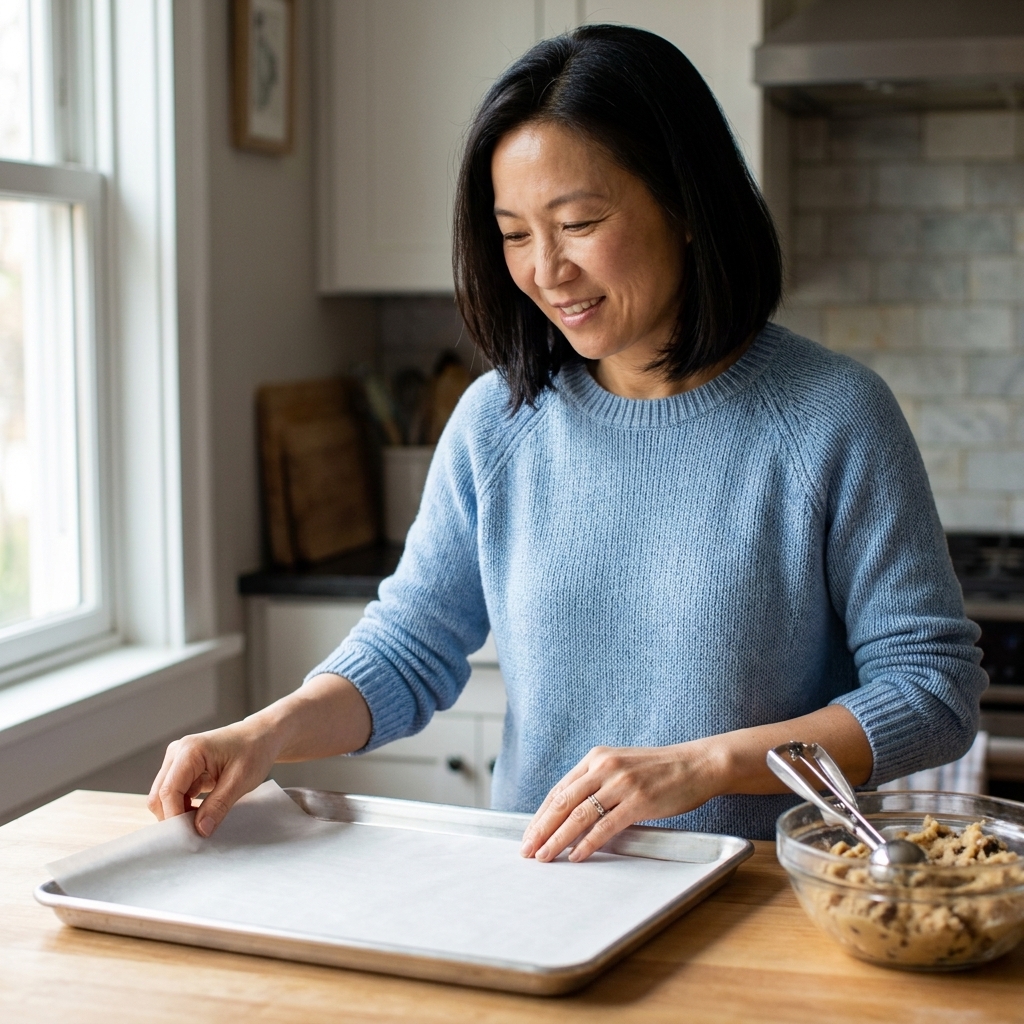
10) Parchment paper or a silicone baking mat
Parchment is my everyday choice because it’s fast and versatile. Silicone mats are great too, especially if you bake often, but they can encourage a little spreading in some cookie recipes depending on the mat and the dough. Either way, you want a nonstick layer you can trust.
- What it fixes: stuck cookies, overbrowned bottoms, messy pans
- Look for: parchment sheets or a roll that fits your pan size
- Maya tip: if parchment curls, crumple it into a ball first, then flatten it and it behaves
11) Quality cake pans or a loaf pan
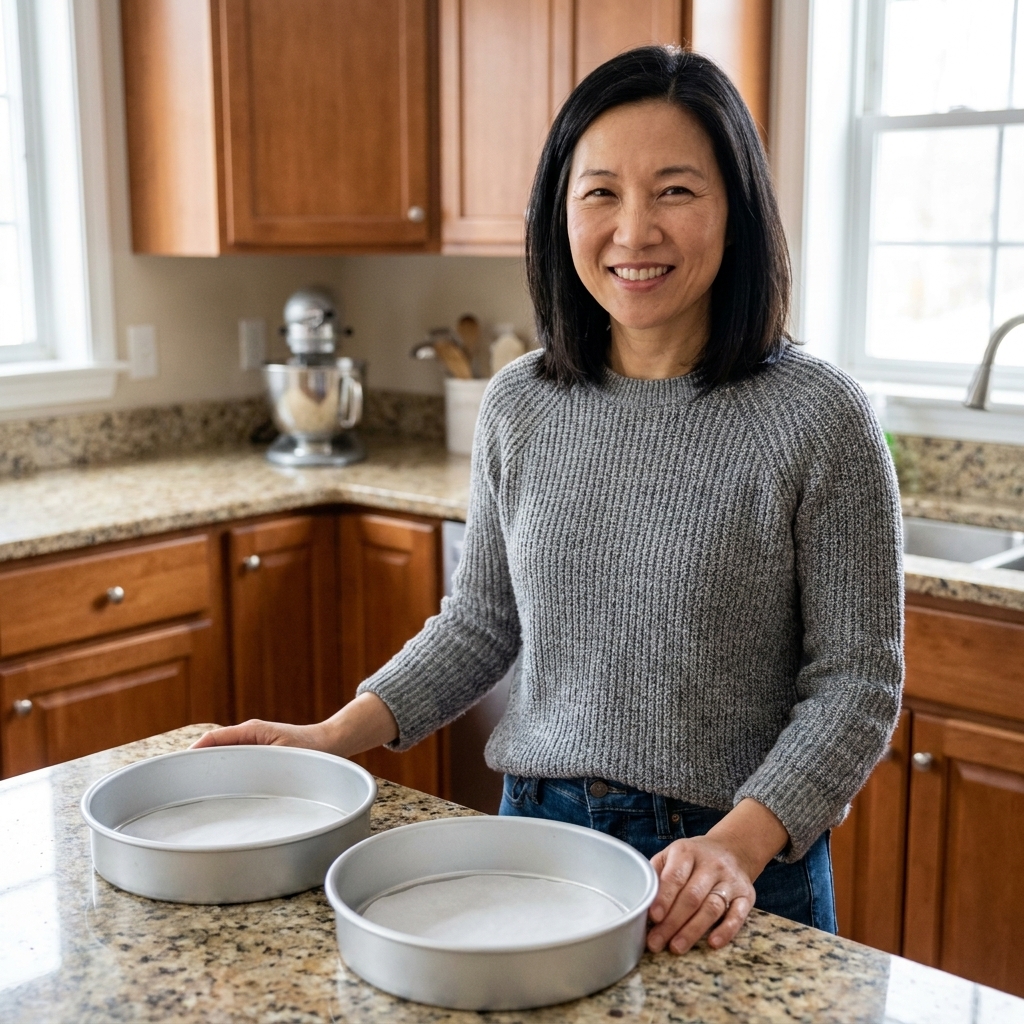
You do not need every pan shape under the sun. Start with what you bake most. For many home bakers, that’s either a dependable metal loaf pan (banana bread, pound cake) or two 8 or 9-inch round cake pans (layer cakes).
- What it fixes: underbaked centers, overbrowned edges, stuck cakes
- Look for: light-colored metal for even baking, straight sides, sturdy construction
- Maya tip: always line the bottom with parchment for cakes, even if you grease the pan
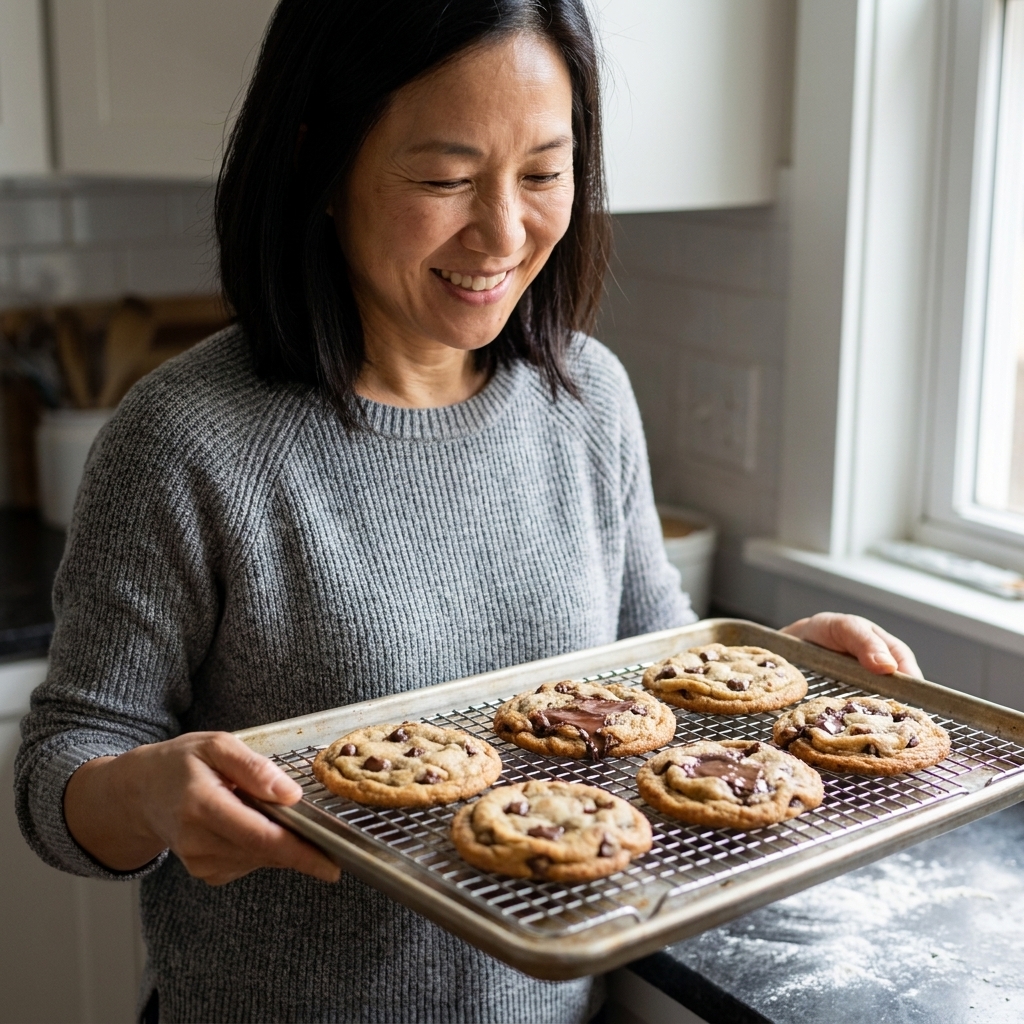
12) Cooling rack
If you cool baked goods on a flat surface, steam gets trapped underneath and you can lose that crisp edge you worked for. A rack lets air circulate so cookies stay snappy and quick breads cool without turning soggy on the bottom.
- What it fixes: soggy cookie bottoms, gummy crusts, uneven cooling
- Look for: a sturdy wire rack with a tight grid so cookies do not tip
- Maya tip: for cakes, let them cool 10 to 15 minutes in the pan, then turn out onto the rack to finish cooling
Nice add-ons
Once the basics are covered, these are the extras I reach for most often.
- Instant-read thermometer: surprisingly helpful for bread, custards, and knowing when banana bread is truly done.
- Fine-mesh sieve: for sifting powdered sugar, smoothing custards, and lump-free cocoa.
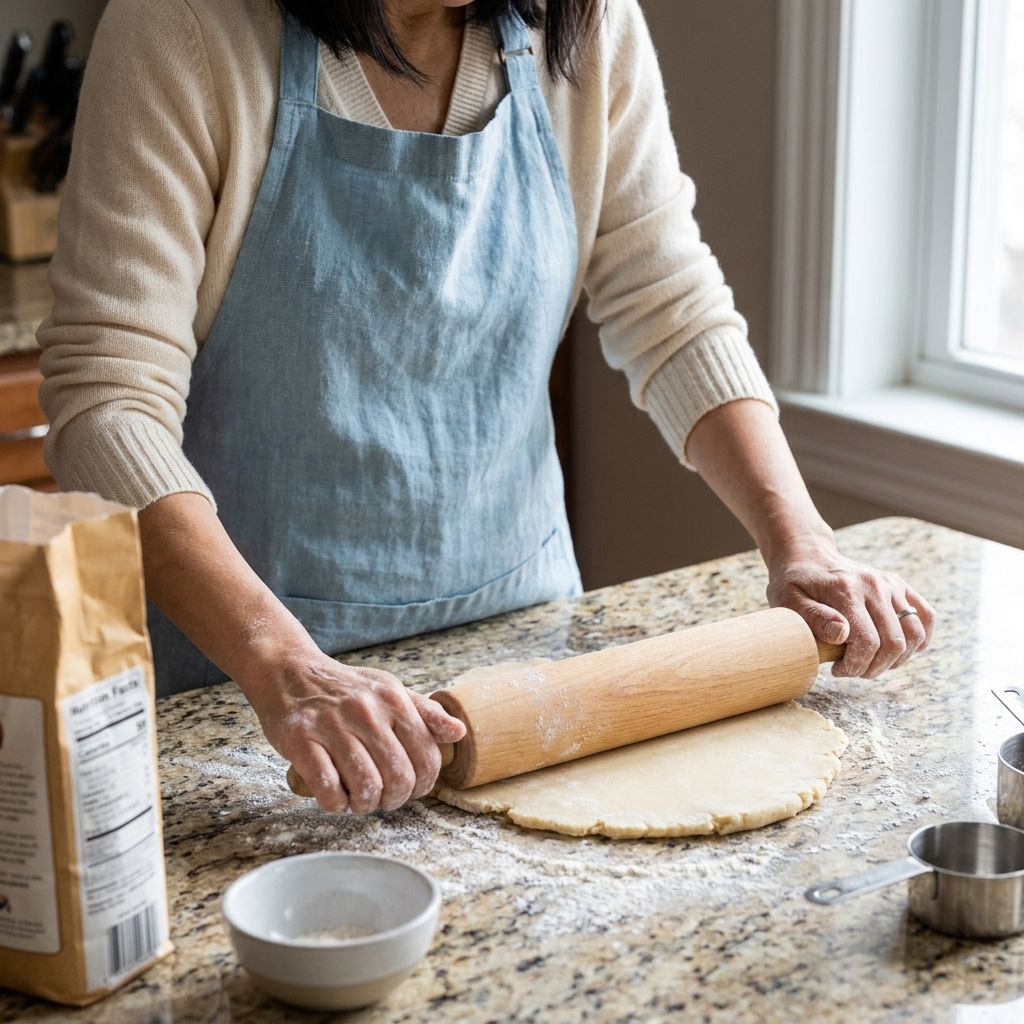
- Rolling pin: for cookies, pie dough, and biscuits. A simple straight pin works great.
- Pastry brush: for egg wash, buttering pans, or brushing syrup on cakes.
- Kitchen timer: your phone works, but a dedicated timer is nice when your hands are floury and you need to track chill time plus bake time.
- Dutch oven or baking stone/steel: optional, but wonderful if you bake bread regularly.
Buy smart
I’m a very enthusiastic baker, but I’m also a mom with limited cabinet space. Here’s how I keep it sane.
- Buy for what you bake: If you never make layer cakes, a set of three round pans will just guilt you from the shelf.
- Choose fewer, better pieces: One sturdy sheet pan beats three flimsy ones that warp.
- Prioritize accuracy: Scale and oven thermometer will improve results faster than any trendy gadget.
- Go dishwasher-safe when possible: It’s not glamorous, but it is the difference between baking weekly and baking “someday.”
Quick FAQ
Do I need a kitchen scale if my recipes use cups?
Not strictly, but it’s the fastest way to get consistent results. Many baking recipes now include grams, and you can start by weighing just flour and sugar. Even that small change makes a huge difference.
What tool matters most for beginners?
A digital scale for accuracy and a rimmed baking sheet lined with parchment for reliability. If you add an oven thermometer too, you’re basically setting yourself up for success.
Are silicone mats better than parchment?
They’re different. Parchment is more versatile and disposable, which makes it easy for sticky caramel situations. Silicone mats are reusable and great for consistent browning, but they can affect spread and browning in some recipes.
Do I need both parchment and a silicone mat?
No. If you bake occasionally, parchment is usually the easiest. If you bake a lot, a mat is a nice reusable option, and you can still keep parchment around for super sticky bakes or lining cake pans.
What pan material is best for baking?
Light-colored metal is my everyday pick for even baking. Dark pans tend to brown faster, which can be great for some recipes, but they can also overbrown edges before the center is done.
A little encouragement
If you have ever stared at a recipe and thought, “I don’t have the right stuff,” I promise you: you don’t need a bakery-level setup to make beautiful bakes. Start with accuracy (scale and oven thermometer), then build the rest around what you actually love to bake.
And if a little flour ends up on the floor along the way, welcome to the club.