Troubleshoot sunken centers, dense crumbs, and dry textures with practical, test-kitchen-style fixes that actually work for homemade cakes.
recipes
Updated September 21, 2026
Cake Flour vs. All-Purpose Flour

Maya Chen
Maya Chen is a passionate home cook, recipe developer, and mother of two who believes that great food doesn't have to be complicated. Drawing from her multicultural upbringing and time spent in professional test kitchens, she creates approachable, flavor-packed recipes designed for real life.
Sizzlea
recipes
Let’s talk about one of the most common baking speed bumps: a recipe calls for cake flour, but your pantry is giving “all-purpose only.” Or maybe you have cake flour and you’re wondering if it’s worth opening a second bag when AP is right there.
Good news: you don’t need to panic, run to the store, or abandon your cake dreams. You just need to know what each flour actually does, and how to substitute without accidentally baking a cake that feels like a sandwich.
The real difference: protein
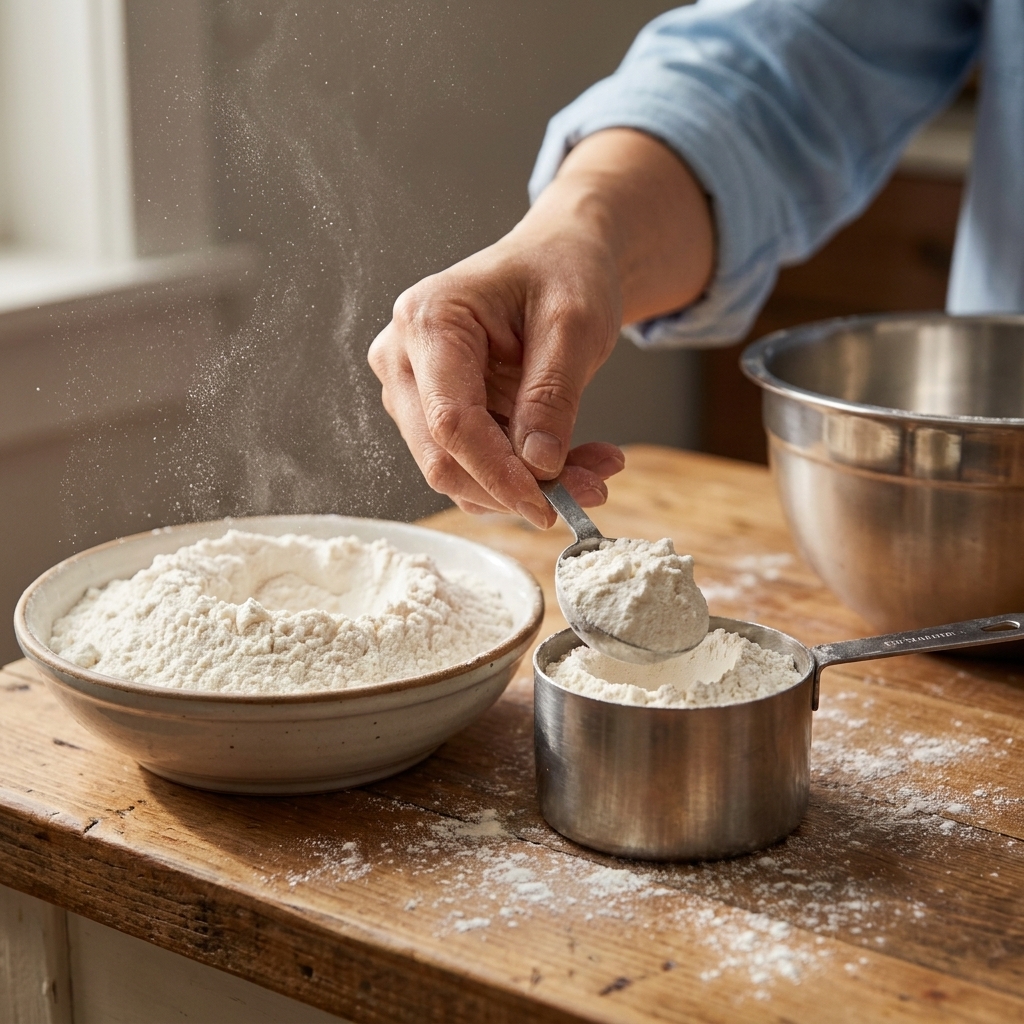
Flour isn’t just flour. The big difference between cake flour and all-purpose flour is protein content, which affects how much gluten develops. Gluten starts forming when flour proteins hydrate, and mixing helps strengthen that network. More protein plus more mixing usually means more structure (and potentially more chew).
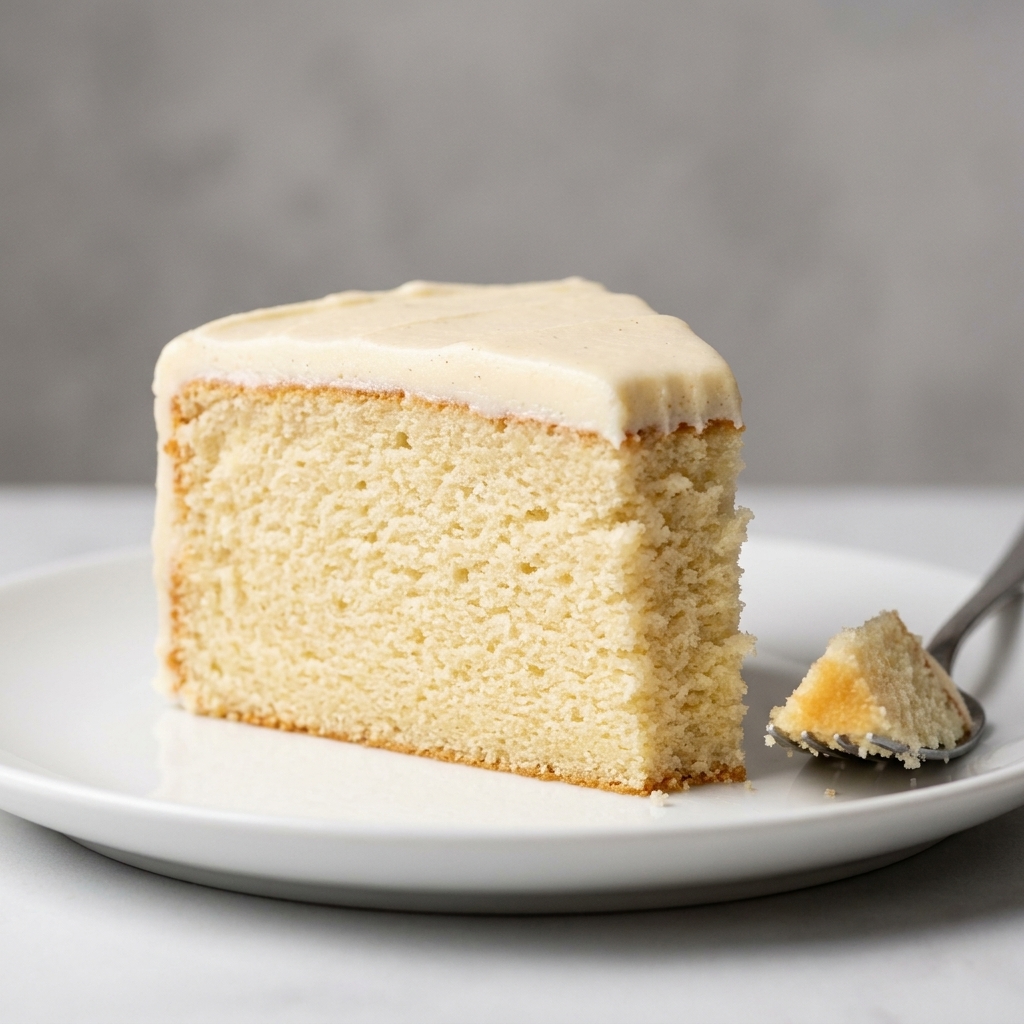
Cake flour is lower protein, often around 7 to 9% (it varies by brand and region). Less protein usually means less gluten development, which means a more tender, softer crumb.
All-purpose flour is mid-range, often around 10 to 12% (again, brand-dependent). It creates more structure, which is great for lots of baking, but can make cakes a little sturdier and slightly chewier.
There’s also a texture difference. Cake flour is typically more finely milled, and in the US many brands are bleached (sometimes labeled as chlorinated). Many bakers find bleached cake flour performs especially well in tender cakes because it behaves a bit differently in batters and can support a delicate rise. If you bake outside the US, “cake flour” equivalents can vary, so results may not match bag-for-bag.
Best uses
Cake flour: tender and plush
- Layer cakes (especially vanilla, chiffon-style, or delicate sponges)
- Cupcakes with a fine crumb
- Angel food cake
- Shortcakes and tender biscuits (in some recipes)
If the goal is “melts in your mouth,” cake flour is your friend.
All-purpose flour: structure and balance
- Cookies (chewy edges, sturdy centers)
- Brownies and bars
- Muffins and quick breads
- Most frostings thickened with flour (like ermine)
- Many everyday cakes designed for AP flour
AP flour is the workhorse. It’s not the villain. It just behaves differently.
Can you substitute them?
Using all-purpose flour instead of cake flour
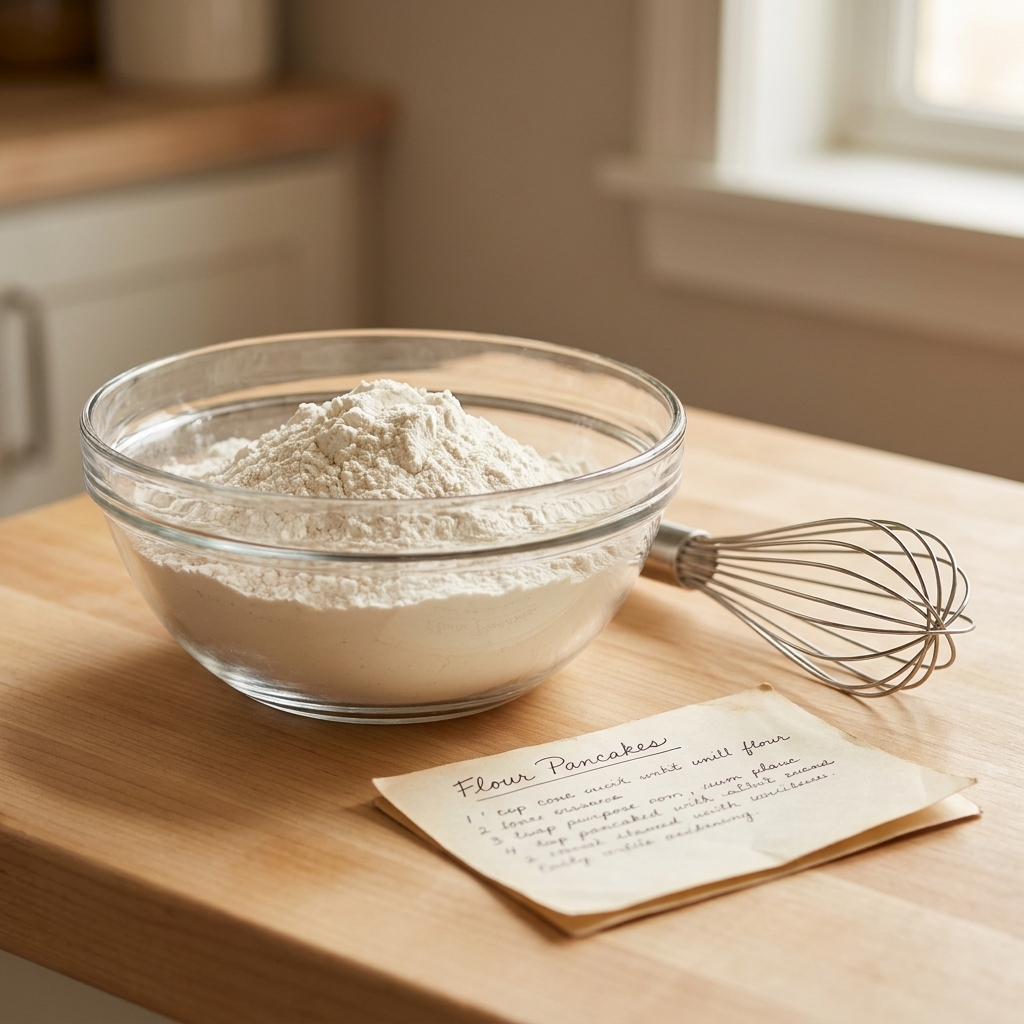
Yes, but expect the cake to be a touch less tender. In recipes where the cake is already rich (lots of butter, oil, sour cream, or buttermilk), the difference can be subtle. In very light cakes, you might notice a tighter crumb.
Tip from my messy kitchen: If you must use AP flour in a cake flour recipe, be extra gentle once the flour goes in. Mix only until you don’t see dry streaks. Overmixing makes the gluten situation worse.
Using cake flour instead of all-purpose flour
Sometimes. Cake flour can make some bakes too delicate. Cookies can spread more, muffins can feel fragile, and anything that needs a little chew may turn out soft in the wrong way.
Also, here’s the sneaky part: cake flour is lighter than AP flour. So a straight 1:1 swap by volume can leave you a little short on dry ingredients.
Rule of thumb (volume): for every 1 cup all-purpose flour, use 1 cup plus 2 tablespoons cake flour. If the recipe gives weights in grams, use those instead and you will not have to guess.
Practical cue: Mix just until combined, then stop. And if you are making cookies, consider chilling the dough to help prevent over-spreading.
DIY cake flour substitute
If you only remember one thing from this article, make it this: you can mimic cake flour by replacing a small amount of all-purpose flour with cornstarch, then sifting well to combine and aerate.
For 1 cup cake flour substitute
- 2 tablespoons cornstarch
- All-purpose flour to total 1 cup
How to do it:
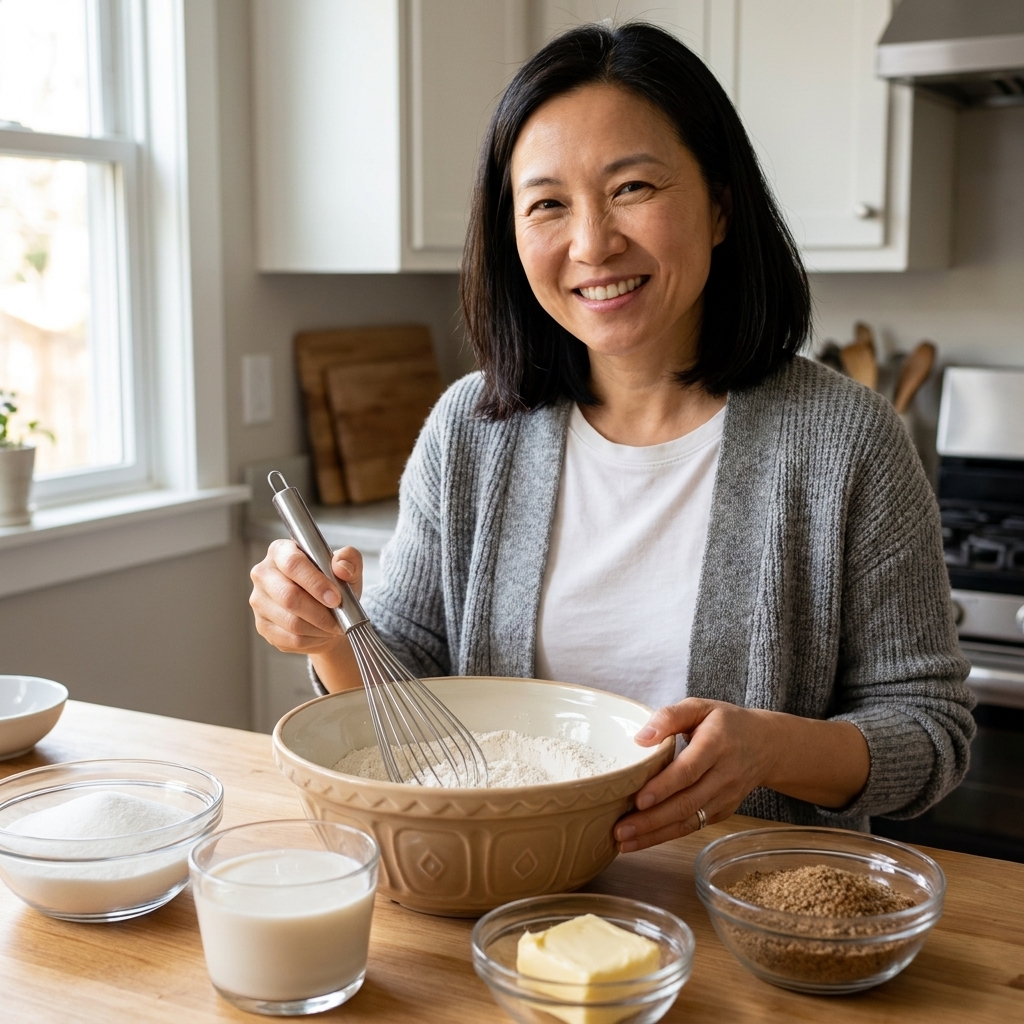
- Add 2 tablespoons cornstarch to an empty 1-cup measuring cup.
- Spoon in all-purpose flour until the cup is full, then level it off.
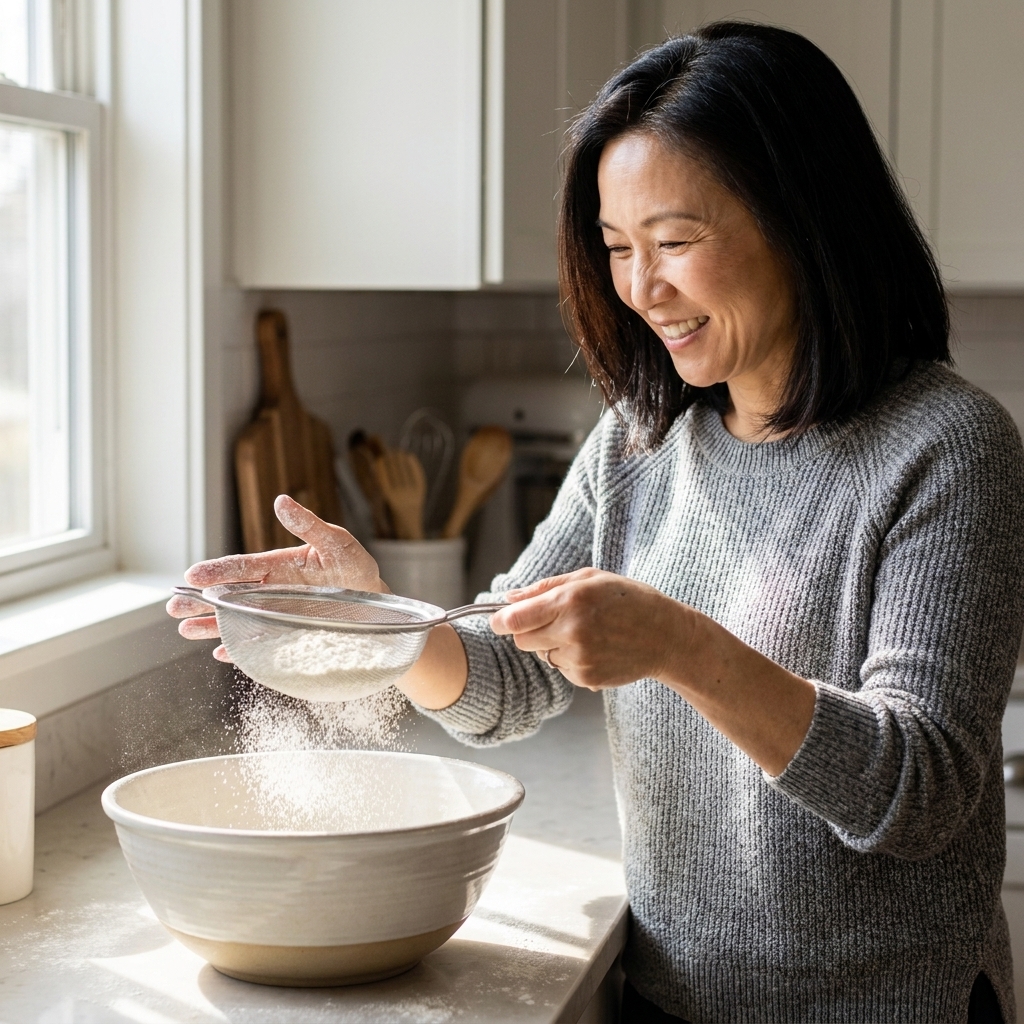
- Sift the mixture together 2 times (3 is even better if you have the patience). Then use as cake flour.
Why this works: cornstarch has no gluten-forming proteins. Swapping a little flour for cornstarch lowers the overall protein, and sifting makes the blend lighter and more cake-flour-like.
Weight note: if your recipe provides grams, follow the grams. If you are measuring flour often, a kitchen scale is the easiest upgrade for consistent cakes.
How to swap without guessing
If a recipe calls for cake flour and you only have all-purpose
Best option: make the DIY substitute above and use it cup-for-cup in place of cake flour (or match the recipe’s gram weights if provided).
If you cannot use cornstarch (allergy or preference), you can use straight AP flour, but expect a slightly firmer crumb. In that case, be very careful not to overmix.
If a recipe calls for all-purpose flour and you only have cake flour
Proceed with caution. If it’s a tender cake or cupcakes, swapping can be fine. For cookies, muffins, and anything that needs structure, I recommend finding an AP-based recipe or using a mix.
Best starting point (volume): use 1 cup plus 2 tablespoons cake flour for every 1 cup AP flour. Expect softer results and watch for extra spread or a fragile crumb.
Quick troubleshooting
My cake turned out dense
- You may have overmixed after adding flour.
- Your flour may have been packed into the measuring cup. Spoon and level for best results.
- Too much flour is common if you dip the cup straight into the bag.
My cake is crumbly and falls apart
- If you swapped cake flour into an AP recipe, the cake may not have enough structure (or enough total flour if you did a 1:1 volume swap).
- Check doneness. Underbaked cakes crumble badly when sliced.
- Let it cool fully before cutting. Warm cakes are fragile.
My cupcakes domed oddly or tunneled
- Overmixing can create tunnels.
- Oven may be running hot. A too-hot oven sets the outside before the inside rises evenly.
FAQ
Is cake flour the same as self-rising flour?
Nope. Self-rising flour has baking powder and salt added. Cake flour is simply low-protein flour. They are not interchangeable without additional adjustments.
Do I have to sift the DIY cake flour substitute?
For the best texture, yes. Sifting is doing two jobs: evenly dispersing the cornstarch and aerating the mixture so it behaves more like true cake flour.
Can I use the DIY substitute in any cake?
It works well in most cakes that call for cake flour, especially layer cakes and cupcakes. For ultra-light sponge cakes, true cake flour can still give the best rise and texture, but the DIY version is a very close second for everyday baking.
How do I measure flour correctly?
Spoon flour into the measuring cup, then level it off with a straight edge. If you scoop straight from the bag, you’ll pack in extra flour, and that can make your bake dry and heavy. If your recipe includes grams, weighing is even more reliable.
The bottom line
Cake flour is all about tenderness. All-purpose flour is about balance and structure. When you know that, the “which flour?” stress melts away.
And if your recipe calls for cake flour, you can absolutely make a reliable substitute at home: for every 1 cup cake flour, use 2 tablespoons cornstarch plus enough AP flour to total 1 cup, sifted well.
Now go bake something cozy. I’ll be over here wiping flour off the counter for the third time today.