A curated list of grab-and-go breakfasts you can make in about 5 minutes, with smart prep tips, make-ahead notes, and no-fuss recipes that actually keep you ...
recipes
Updated September 21, 2026
Stevia vs. Monk Fruit for Baking

Maya Chen
Maya Chen is a passionate home cook, recipe developer, and mother of two who believes that great food doesn't have to be complicated. Drawing from her multicultural upbringing and time spent in professional test kitchens, she creates approachable, flavor-packed recipes designed for real life.
Sizzlea
recipes
If you’ve ever pulled a “healthy” batch of muffins from the oven and thought, why does this taste like disappointment? you are not alone. Zero-sugar sweeteners can absolutely work in baking, but they behave differently than sugar. And when you are juggling dinner, homework, and a sink full of dishes, you want the sweetener that plays nice without a lot of fuss.
Today we are talking about two of the big names: stevia and monk fruit. I will walk you through how they taste, how to swap them for sugar, and what actually happens to your cookies, cakes, and quick breads when you use them.
Quick verdict (if you just need the answer)
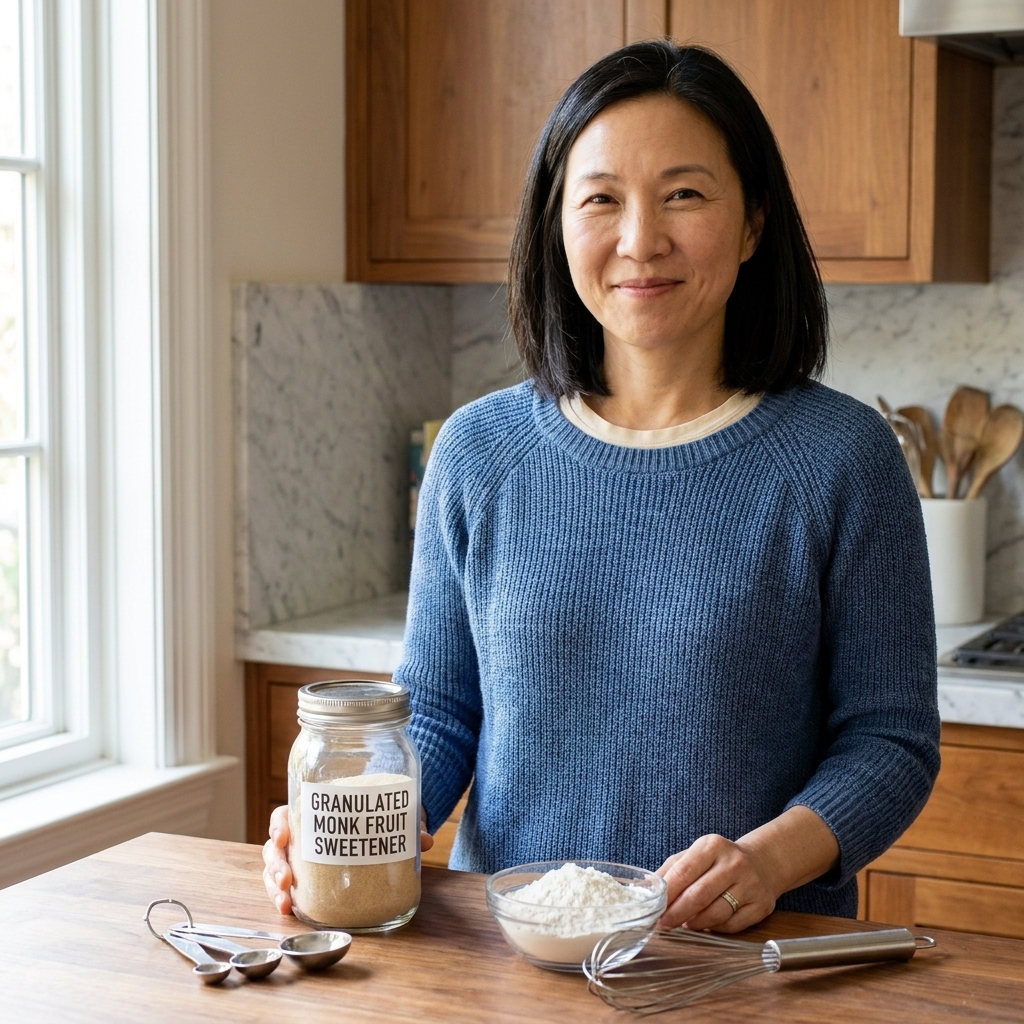
- Best overall for baking: Monk fruit cup-for-cup blends (granulated, 1:1) because the flavor is usually cleaner and the measuring is easier.
- Best for small-batch sweetness: Liquid stevia for things like smoothies, frostings, or cheesecake filling where you do not need sugar’s bulk.
- If you are sensitive to aftertaste: Choose monk fruit or a stevia blend that is cut with erythritol or allulose (and try a couple brands, because they vary a lot).
- If you want soft, chewy cookies: Neither pure stevia nor pure monk fruit will do it alone. You will want a bulking sweetener (like erythritol or allulose) or a recipe built specifically for them.
What they are (in plain English)
Stevia
Stevia comes from the leaves of Stevia rebaudiana. The sweet compounds are called steviol glycosides (often “Reb A” or “Reb M” on labels). They are intensely sweet, so a little goes a long way.
Common forms you will see:
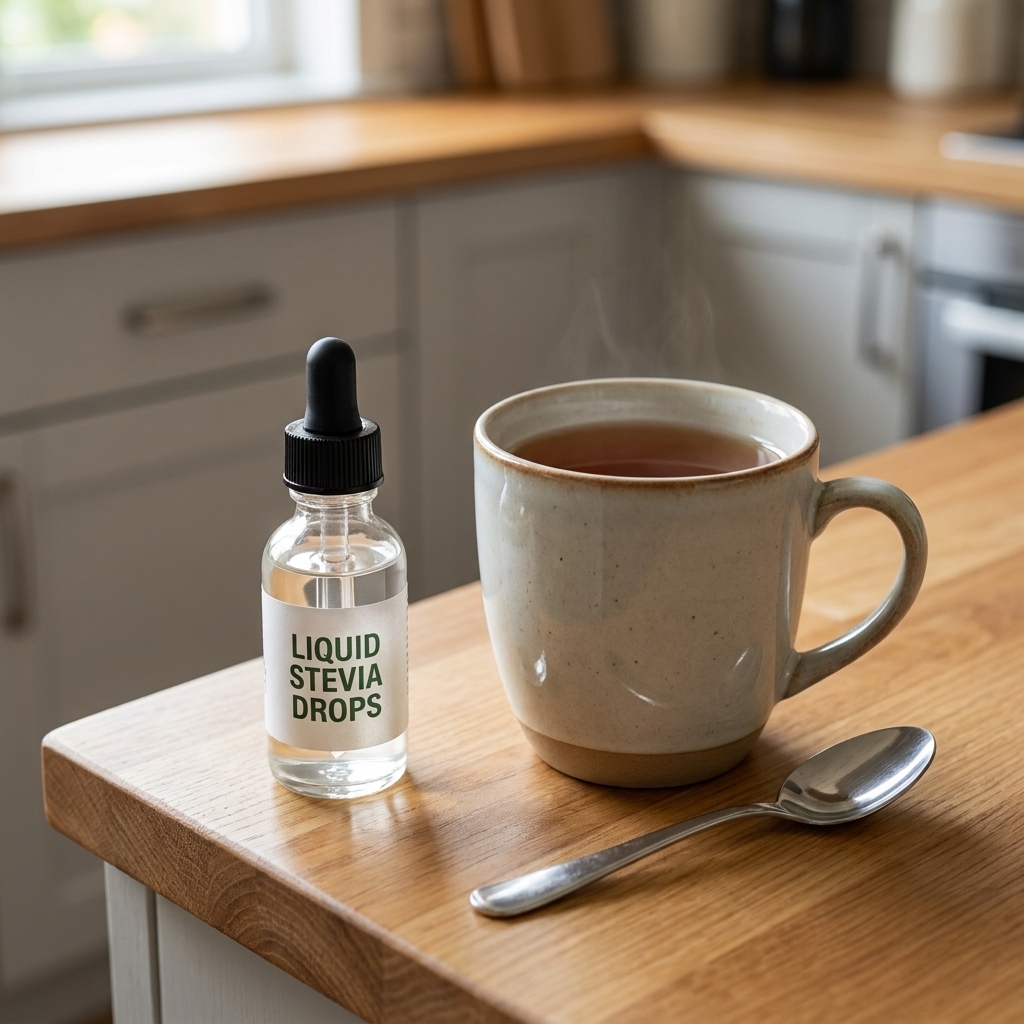
- Liquid stevia: drops, great for drinks and no-bake recipes.
- Powdered stevia extract: very concentrated, easy to overdo.
- Granulated “stevia”: usually stevia plus a filler or bulking sweetener so you can measure more like sugar.
Monk fruit
Monk fruit (luo han guo) is a small fruit. Its sweetness comes from mogrosides. Like stevia, the pure extract is extremely sweet.
Common forms you will see:
- Monk fruit extract (powder or drops): concentrated, not a 1:1 sugar swap.
- Granulated monk fruit sweetener: typically monk fruit extract blended with erythritol, allulose, or fiber for sugar-like volume.
Quick label reality check: most “monk fruit” and “stevia” bags at the grocery store are mostly a bulking ingredient (often erythritol). The extract is there, but it is not the main ingredient by volume. That is why the ingredients list matters.
Taste test
Stevia flavor
Stevia can taste pleasantly sweet, but it is the one most likely to have a noticeable aftertaste. People describe it as bitter, herbal, or slightly “cool.” The intensity also builds quickly, especially if you add just a tiny bit too much. Reb M often tastes cleaner than older stevia extracts, but it still depends on the brand and how it is blended.
Monk fruit flavor
Monk fruit is often described as rounder and more neutral than stevia. Some blends still have a cooling sensation (usually from erythritol), and different blend bases (erythritol vs allulose vs fiber) can change the aftertaste a lot. If you have tried one bag and hated it, do not assume they are all the same.
My practical rule
If you are baking for a crowd or for picky kids, monk fruit cup-for-cup blends tend to be the safer bet. If you personally love stevia in coffee and you know the brand you like, you can absolutely bake with it. Just be picky about the form and the measurement.
Conversion ratios
Here is the tricky part: there is no universal conversion because products vary wildly. The same word on the front of the bag can mean totally different things inside.
1:1 granulated blends
If the package says “measures cup-for-cup like sugar”, it is usually a blend (often monk fruit or stevia with erythritol, sometimes with allulose or fiber). These are the simplest for baking because they replace sugar’s volume and are designed for the way home bakers measure.
Pure extracts (powder or liquid)
These are not meant to replace sugar cup-for-cup. They replace sweetness only, not bulk, moisture, or browning. Use them only in recipes designed for them, or be ready to adjust structure.
Cheat sheet (start here, then follow your label)
- Granulated 1:1 monk fruit blend: replace sugar 1:1.
- Granulated 1:1 stevia blend: replace sugar 1:1.
- Liquid stevia: often measured in drops. Great for sweetening batters that already have bulk from flour, yogurt, nut butter, or fruit, but do not expect it to “act like sugar.”
- Pure powdered extracts: measure in tiny amounts. Too much will spike bitterness or odd sweetness fast.
Maya tip: If you are adapting a beloved family recipe, start with a cup-for-cup blend. It is the least stressful path.
How they behave in baked goods
Sugar does more than sweeten. It helps baked goods brown, stay moist, spread properly, and feel tender instead of bready. When you swap in a sugar alternative, you are swapping sweetness, but you might be losing some of sugar’s “job duties.”
Browning and caramel flavor
- Stevia and monk fruit extracts: do not caramelize like sugar.
- Blends with erythritol: usually brown less than sugar. You can still get some color from Maillard browning (especially in recipes with eggs and dairy), but do not expect classic caramel edges.
- Blends with allulose: brown much more like sugar, and sometimes faster. Keep an eye on bake time and consider dropping the oven temp slightly if things are getting too dark.
Moisture and tenderness
- Pure stevia or monk fruit extract: can lead to dry, tight crumbs because you removed sugar’s bulk and moisture effects.
- Erythritol blends: can taste “cool” and sometimes feel a little dry or crisp when baked.
- Allulose blends: usually give a softer, moister result.
Cookies: spread and chew
Sugar helps cookies spread and creates that chewy center. With many sugar alternatives, cookies can bake up puffier, cakier, or crisp in a different way.
Cakes and muffins: crumb and rise
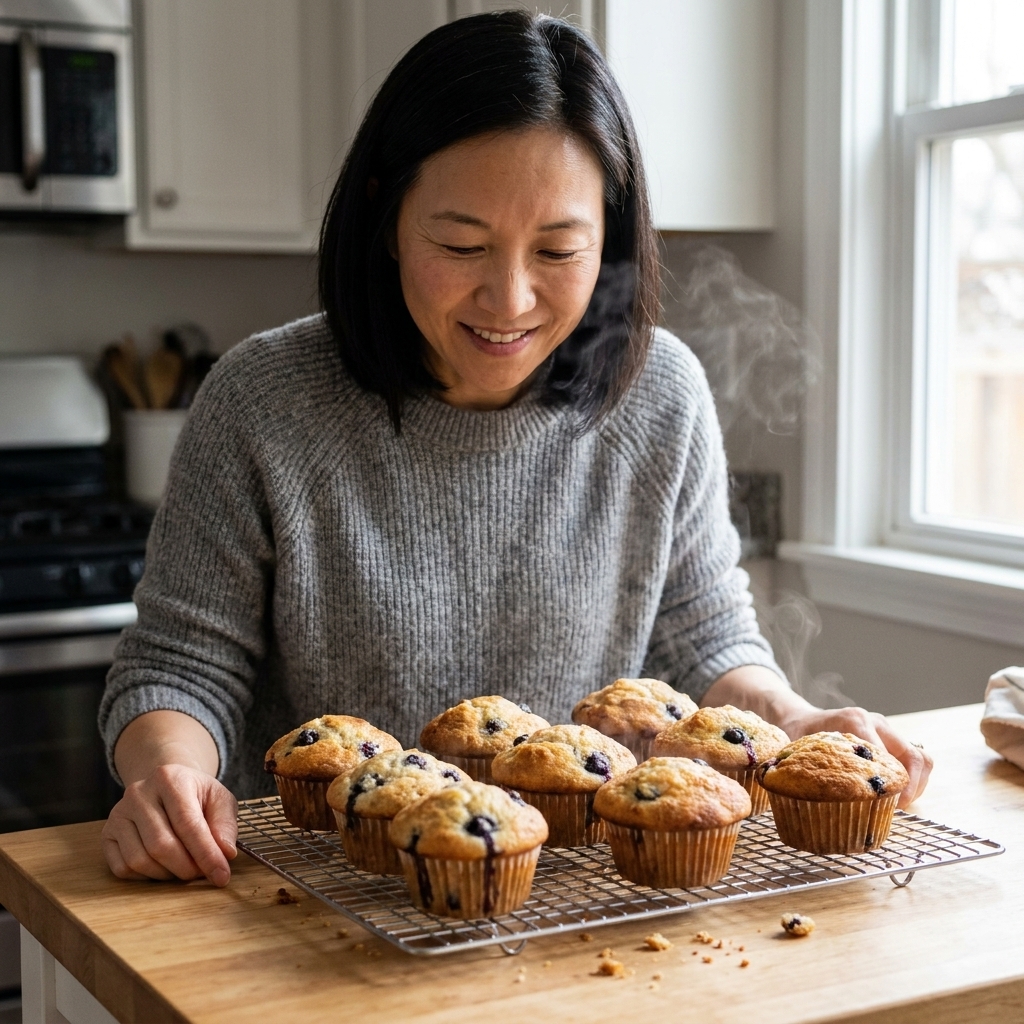
In cakes and quick breads, the biggest risk is a dry crumb or a sweetness that pops in an artificial way. A cup-for-cup blend can work well, but do not be surprised if you need a small tweak for moisture.
Best uses
When stevia shines
- No-bake desserts: cheesecake filling, chia pudding, whipped yogurt cups.
- Frostings and glazes: especially if the recipe has powdered sugar alternatives built in.
- Small sweetness boosts: adding a little sweetness to cocoa, coffee cakes made with banana, or protein muffins.
When monk fruit shines
- Everyday baking swaps: muffins, quick breads, pancakes, waffles using a cup-for-cup blend.
- Fruit-forward bakes: berry crisps and cobblers where fruit provides flavor and moisture.
- Cookies and bars: best with a blend, and ideally one with allulose if you want more classic texture.
If you bake a lot of chocolate desserts
Chocolate can camouflage some aftertaste. Both sweeteners work well here, but I still prefer monk fruit for a cleaner finish. If you use stevia, start smaller than you think and taste as you go. If you want to be extra safe, taste the sweetener in the wet mixture (before adding raw eggs, and before stirring in flour).
Troubleshooting
“It tastes bitter or weirdly sharp.”
- Use less sweetener, especially with stevia extract.
- Choose a different product. Reb M stevia often tastes less bitter than older stevia extracts.
- Add a tiny pinch of salt and a little vanilla or citrus zest to round the flavor.
“My muffins are dry.”
- Switch from extract to a cup-for-cup granulated blend.
- Add moisture: 1 to 2 tablespoons extra yogurt, sour cream, pumpkin, or applesauce in many batters can help.
- Do not overbake. Sugar alternatives can make dryness feel worse.
“My cookies did not spread.”
- Let the dough rest 10 minutes, then flatten slightly before baking.
- Use a blend that includes allulose (often improves spread and chew).
- Try swapping a small portion of fat: a bit more butter can encourage spread, depending on the recipe.
“There is a cooling aftertaste.”
This is usually erythritol, not monk fruit itself. If it bothers you, try a blend with allulose instead, or look for products that use less erythritol.
“My frosting got gritty after a day.”
This can happen with erythritol as it recrystallizes, especially in chilled or stored frostings. If it drives you crazy, try an allulose-based blend or a frosting recipe written for erythritol (they often include extra liquid, fat, or a different mixing method).
Ingredient label cheat sheet
Flip the bag over. The ingredients list tells you more than the front label.
- If you see erythritol: expect a possible cooling effect and less browning. Some people also find it more likely to cause digestive upset than other options, especially in larger servings.
- If you see allulose: expect better browning and a more sugar-like bake. It is not zero-calorie, but it is very low calorie, and it can brown fast. Some people find it gentler than sugar alcohols, but it can still cause stomach upset for some.
- If you see inulin or chicory root fiber: adds bulk and can help texture, but may cause digestive discomfort for some people.
- If you see maltodextrin or dextrose: the product may not be “zero-calorie” in real life, and it can affect blood sugar for some people.
Friendly reminder: “Natural” does not automatically mean “gentle on everyone’s stomach.” If sugar alcohols or certain fibers do not agree with you, choose products carefully and start with smaller portions.
Also worth noting: nutrition labels and calorie rounding rules vary by country, and some products marketed as “zero” can still add up if you use a lot. When in doubt, go by the ingredients list and how you personally feel after eating it.
My go-to recommendation
If you are baking classic things like banana bread, blueberry muffins, or a simple snacking cake, I recommend starting with a granulated monk fruit cup-for-cup blend. It is the easiest to measure, the flavor is usually the most crowd-pleasing, and you will get the fewest surprises.
If you love experimenting or you are baking very specific dietary recipes, stevia can be a great tool, especially in liquid form. Just think of it as a sweetness tool, not a sugar replacement with the same structure.
FAQ
Can I swap stevia or monk fruit for sugar in any recipe?
Not always. If the recipe relies on sugar for structure (think: chewy cookies, caramel-like edges, tender cakes), you will get the best results using a recipe written for your sweetener, or using a cup-for-cup blend and expecting minor texture differences.
Which is better for cookies?
Usually monk fruit blends, especially blends with allulose, because they tend to give better browning and a more classic cookie texture. Pure stevia is tricky in cookies because you lose sugar’s bulk.
Do stevia and monk fruit affect yeast breads?
They do not feed yeast the way sugar does. Yeast can still ferment the natural sugars in flour, so many breads will rise without added sugar, but sugar can help with speed, browning, and tenderness. For yeasted doughs, you can use these sweeteners for sweetness, but you may need a little real sugar or another fermentable carbohydrate if the recipe depends on it for rise or color.
Can I combine them?
Yes. Many commercial products already do this because blending sweeteners can smooth out aftertastes and create a more sugar-like sweetness curve.