Busy night? These 10 pantry-only dinners bring big flavor with 15 minutes of active cooking, plus quick measurements, smart swaps, and storage tips.
recipes
Updated September 21, 2026
The 5 French Mother Sauces

Maya Chen
Maya Chen is a passionate home cook, recipe developer, and mother of two who believes that great food doesn't have to be complicated. Drawing from her multicultural upbringing and time spent in professional test kitchens, she creates approachable, flavor-packed recipes designed for real life.
Sizzlea
recipes
If you have ever wished your chicken, pasta, veggies, or brunch felt a little more restaurant-y without getting fussy, meet my favorite culinary shortcut: the French “mother sauces.” They are basically flavor base coats. Learn them once, and you can riff for years.
Quick note before we dive in: different schools and eras classify the “mother sauces” a little differently. The five you will most commonly see taught today are béchamel, velouté, espagnole, sauce tomate, and hollandaise. (You may also see mayonnaise or other emulsions discussed in some lists.) Either way, these five will make you dangerously capable in a home kitchen.
I promise, this is not a white-tablecloth project. We are doing real-life versions you can pull off at home, with clear cues for what you should see, smell, and whisk into existence.
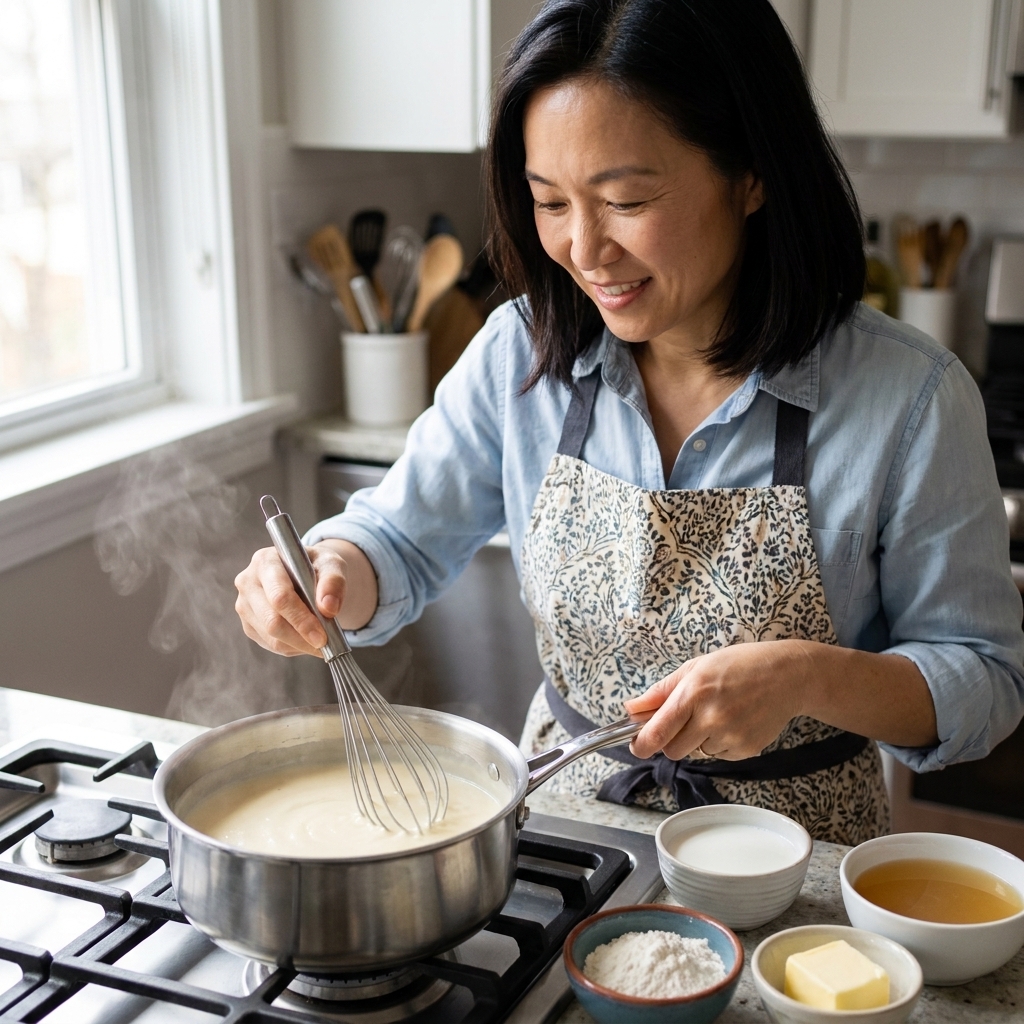
Before you start: 3 skills
1) Gentle heat wins
Most sauce heartbreak comes from cranking the burner. Start medium, then adjust down. You can always heat it more. Un-splitting a broken sauce is harder.
2) Whisk hard at the start
Whisk aggressively when combining flour and fat, or when adding liquid, to avoid lumps. Once the sauce is smooth and thickened, switch to a spatula and stir occasionally. If a sauce gets gluey, it is usually from too much starch for the liquid, boiling too hard, or reducing too far. (Not because you were too enthusiastic with the whisk.)
3) Season at the end (mostly)
Stocks reduce, cheese adds salt, and pan drippings can be unpredictable. A light pinch early is fine, but do the real seasoning once you have the final texture.
Kitchen tools that help
- Whisk (a basic balloon whisk is perfect)
- Saucepan with a heavy bottom
- Fine-mesh strainer (optional, but it saves you if you get lumps)
- Instant-read thermometer (optional for hollandaise confidence)
Béchamel
Béchamel is the creamy, cozy one. It starts with a butter-and-flour roux, then you whisk in milk. That is it. From there you can turn it into cheese sauce, pasta bakes, creamy veggies, and the best-ever lasagna layers.
Roux refresher (super quick): Roux is flour cooked in fat. A white roux is cooked briefly and stays pale. A blond roux cooks a bit longer and turns ivory. A brown roux goes deeper and toasty.
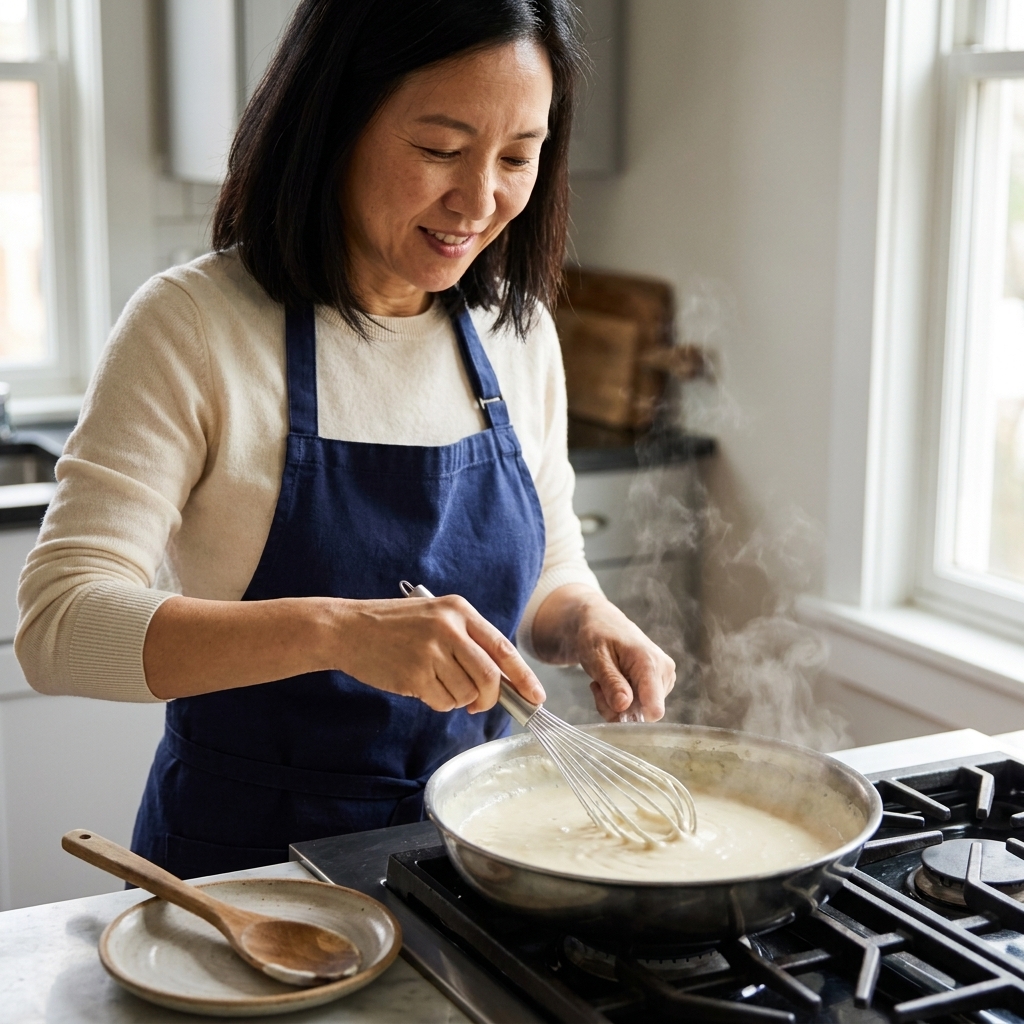
Classic Béchamel Recipe
Makes: about 2 cups (enough for a small mac and cheese, a gratin, or a lasagna layer)
Ingredients
- 3 tbsp unsalted butter
- 3 tbsp all-purpose flour
- 2 cups whole milk, warmed (or at least not ice-cold)
- 1/2 tsp kosher salt, plus more to taste
- Pinch of ground nutmeg (optional but very classic)
- Black or white pepper, to taste
Method
- Make a white roux: Melt butter in a saucepan over medium heat. Sprinkle in flour and whisk constantly for 1 to 2 minutes. It should look like wet sand and smell lightly nutty, not toasted, and it should not take on color.
- Add milk gradually: While whisking, slowly pour in warmed milk. Start with a splash or two to make a smooth paste, then add the rest in a steady stream.
- Thicken: Bring to a gentle simmer, whisking often. In 5 to 8 minutes it will thicken enough to coat the back of a spoon.
- Season: Stir in salt, nutmeg, and pepper. Taste and adjust.
Texture cues
- Too thick? Whisk in a little more milk.
- Too thin? Simmer a few more minutes. It thickens as it cools too.
Easy variations
- Mornay (cheese sauce): Off heat, stir in 1 to 1 1/2 cups grated Gruyère, cheddar, or a mix. Add a pinch of mustard powder if you love that mac-and-cheese tang.
- Mustard sauce: Stir in 1 to 2 tbsp Dijon.
- Herb béchamel: Add chopped chives, parsley, or tarragon at the end.
Velouté
Velouté is béchamel’s savory cousin. Same idea, different liquid. You make a roux, then whisk in a light stock (chicken, turkey, fish, or a mild vegetable stock). It is a classic base for creamy gravies, pot pie filling, and cozy sauces that need body.
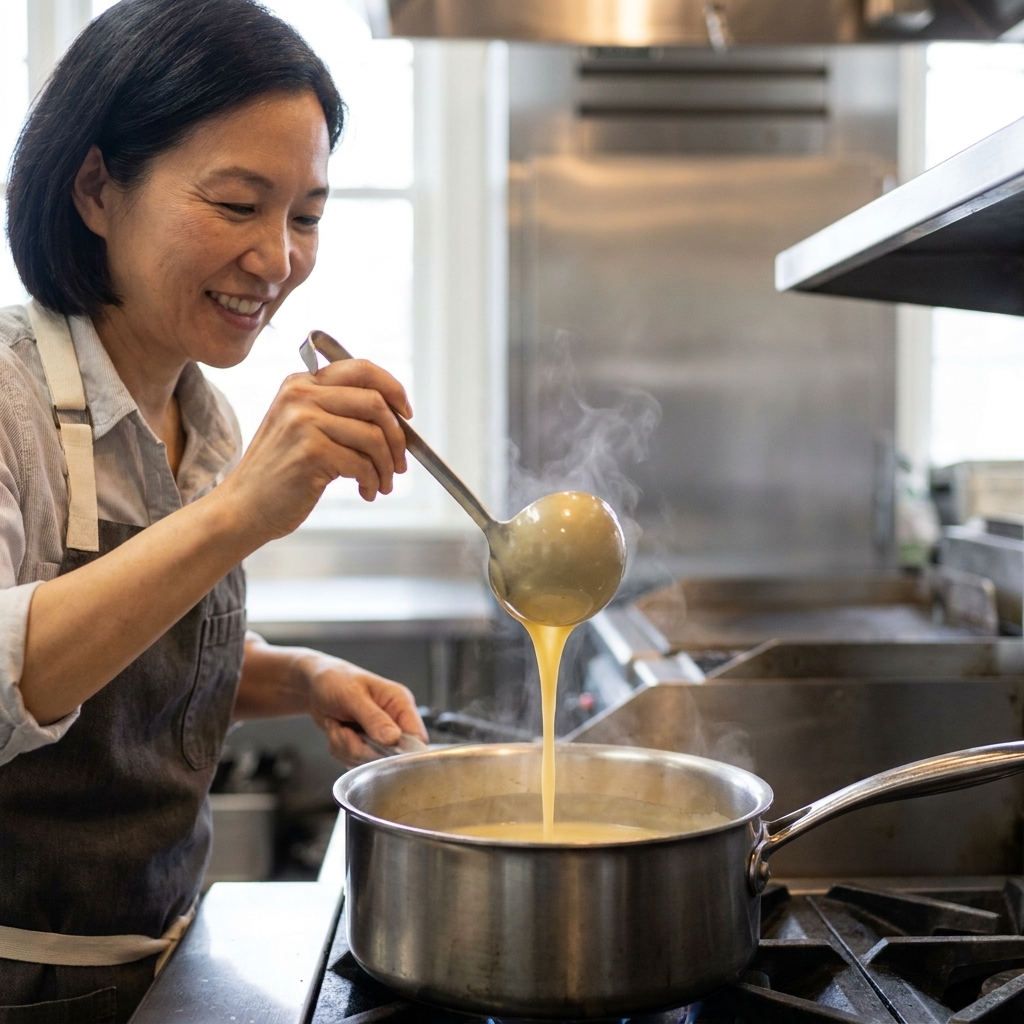
Basic Velouté Recipe
Makes: about 2 cups
Ingredients
- 3 tbsp unsalted butter
- 3 tbsp all-purpose flour
- 2 cups warm chicken stock (or turkey, fish, or vegetable)
- 1/2 tsp kosher salt, plus more to taste
- Pepper, to taste
Method
- Make a blond roux: Melt butter over medium heat, whisk in flour, and cook 3 to 5 minutes. You are looking for an ivory, lightly golden color and a toasty smell (not dark).
- Whisk in stock: Add warm stock gradually while whisking until smooth.
- Simmer and finish: Simmer 6 to 10 minutes until silky and lightly thickened. Season to taste.
Quick upgrades
- Supreme sauce: Stir in 1/4 to 1/2 cup heavy cream at the end for a richer chicken sauce.
- Mushroom sauce: Sauté sliced mushrooms in butter, then build the velouté right on top and finish with a splash of cream.
- White wine pop: Replace 1/4 cup stock with white wine. Simmer the wine for a minute before adding the rest.
Espagnole
Espagnole is the deep, savory one that makes everything taste like you have been cooking all day. Traditionally, it is built with brown stock, browned aromatics, and tomato, then simmered patiently. At home, I like a streamlined version that still gives you that rich “Sunday roast” vibe.
Also worth knowing: espagnole is often a starting point. In classic kitchens, it gets reduced and finished into a demi-glace style sauce or other rich brown sauces.
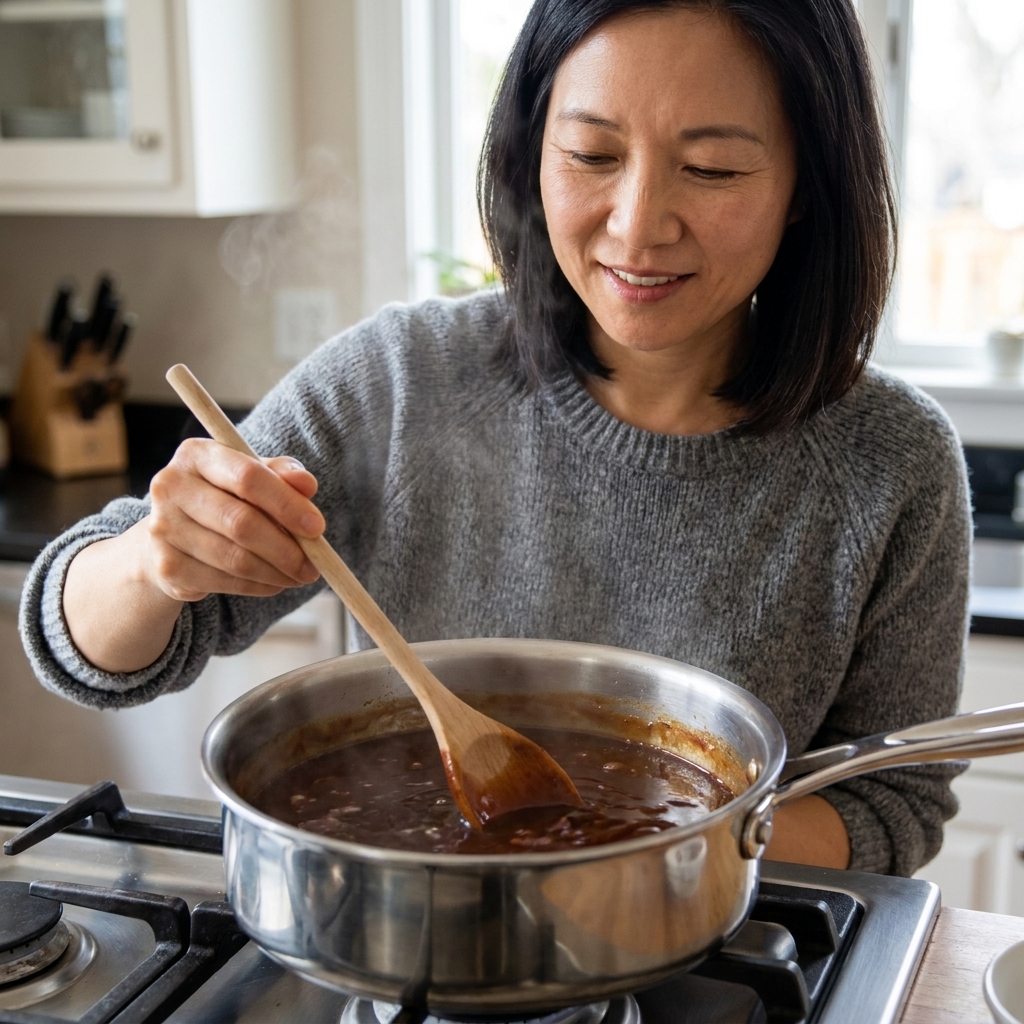
Home-Cook Espagnole Recipe
Makes: about 2 1/2 cups
Ingredients
- 2 tbsp unsalted butter (or beef drippings if you have them)
- 1 small onion, finely diced
- 1 small carrot, finely diced
- 1 celery stalk, finely diced
- 2 tbsp all-purpose flour
- 2 1/2 cups warm beef stock (or a mix of beef and chicken)
- 2 tbsp tomato paste
- 1 small bay leaf
- 2 sprigs thyme (or 1/2 tsp dried)
- 1/2 tsp kosher salt, plus more to taste
- Black pepper, to taste
Method
- Brown the aromatics: Melt butter over medium-high heat. Add onion, carrot, and celery. Cook 6 to 8 minutes until softened and lightly browned at the edges.
- Make a brown roux: Sprinkle in flour and stir constantly for 2 to 4 minutes until the flour turns tan and smells toasty.
- Whisk in stock: Add warm stock gradually, whisking to keep it smooth. Stir in tomato paste.
- Simmer: Add bay and thyme. Simmer gently, uncovered, 25 to 35 minutes, stirring occasionally, until it reduces slightly and coats a spoon.
- Strain (optional but lovely): For a restaurant-smooth finish, strain through a fine-mesh strainer, pressing on the vegetables. Season to taste.
Weeknight uses
- Spoon over meatloaf or pan-seared pork chops
- Stir into sautéed mushrooms for a steakhouse mushroom sauce
- Use as a base for quick gravy when you do not have drippings
Sauce Tomate
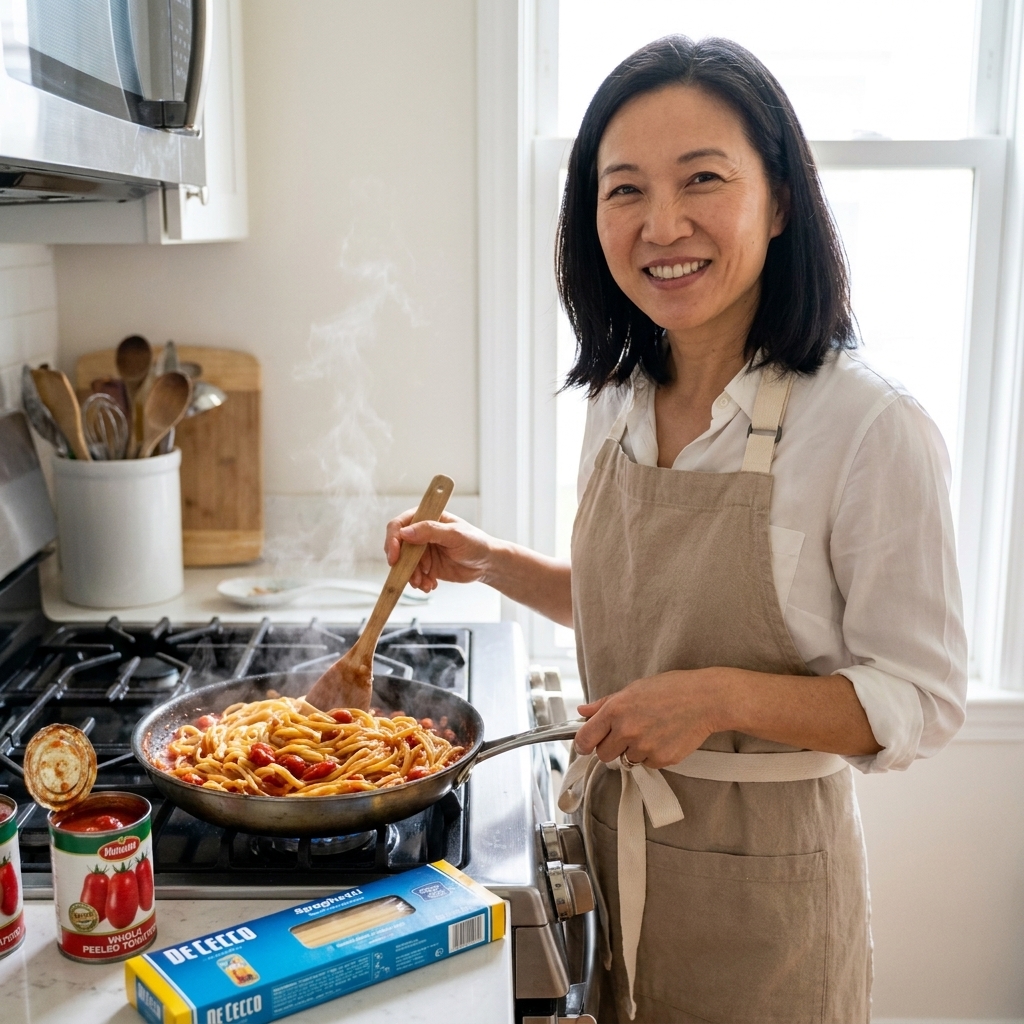
This is not just “marinara,” but it can absolutely live that life in your kitchen. Traditional French sauce tomate starts with aromatics, a little pork is common, and it simmers into something mellow and savory. My version is flexible: keep it meatless for weeknights, or add bacon for that old-school depth.
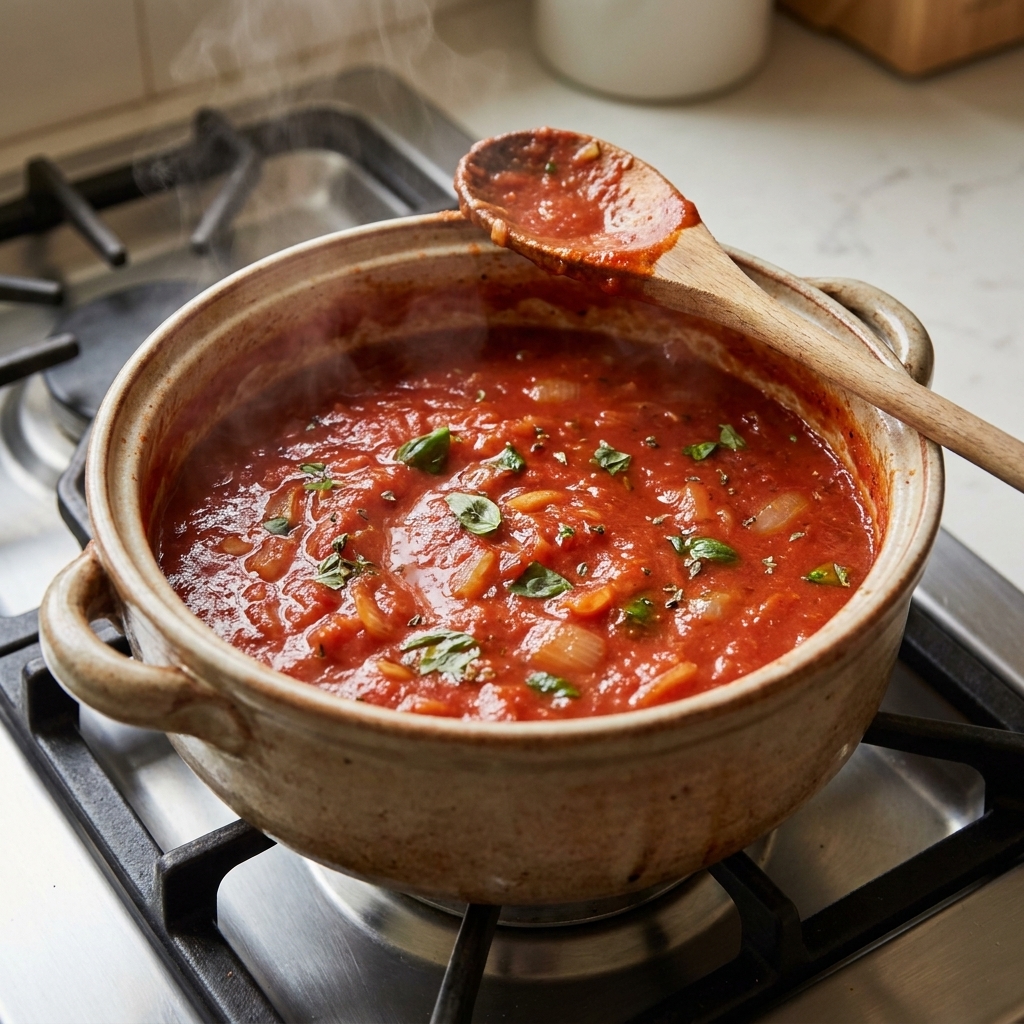
French-Style Sauce Tomate Recipe
Makes: about 4 cups
Ingredients
- 2 tbsp olive oil
- 1 small onion, finely diced
- 1 small carrot, finely diced (optional, for gentle sweetness)
- 2 cloves garlic, minced
- 2 tbsp tomato paste
- 1 (28 oz) can crushed tomatoes
- 1 cup chicken stock or vegetable stock (or water)
- 1 bay leaf
- 1 tsp dried thyme or oregano (or 2 sprigs fresh thyme)
- 1 tsp kosher salt, plus more to taste
- Black pepper, to taste
- 1 to 2 tsp sugar (optional, only if your tomatoes taste sharp)
Optional add-in
- 2 slices bacon, finely chopped (cook first, then proceed with onion in the bacon fat)
Method
- Sauté aromatics: Heat olive oil over medium. Cook onion (and carrot if using) 6 to 8 minutes until soft and lightly golden. Add garlic and cook 30 seconds.
- Toast the paste: Stir in tomato paste and cook 1 to 2 minutes until it darkens slightly.
- Simmer: Add crushed tomatoes, stock, bay, thyme, salt, and pepper. Simmer uncovered 25 to 40 minutes, stirring occasionally.
- Finish: Taste. Add a pinch of sugar if needed. Remove bay leaf. Blend briefly if you want it super smooth.
Fast ways to use it
- Shakshuka shortcut: simmer, then crack in eggs and cover
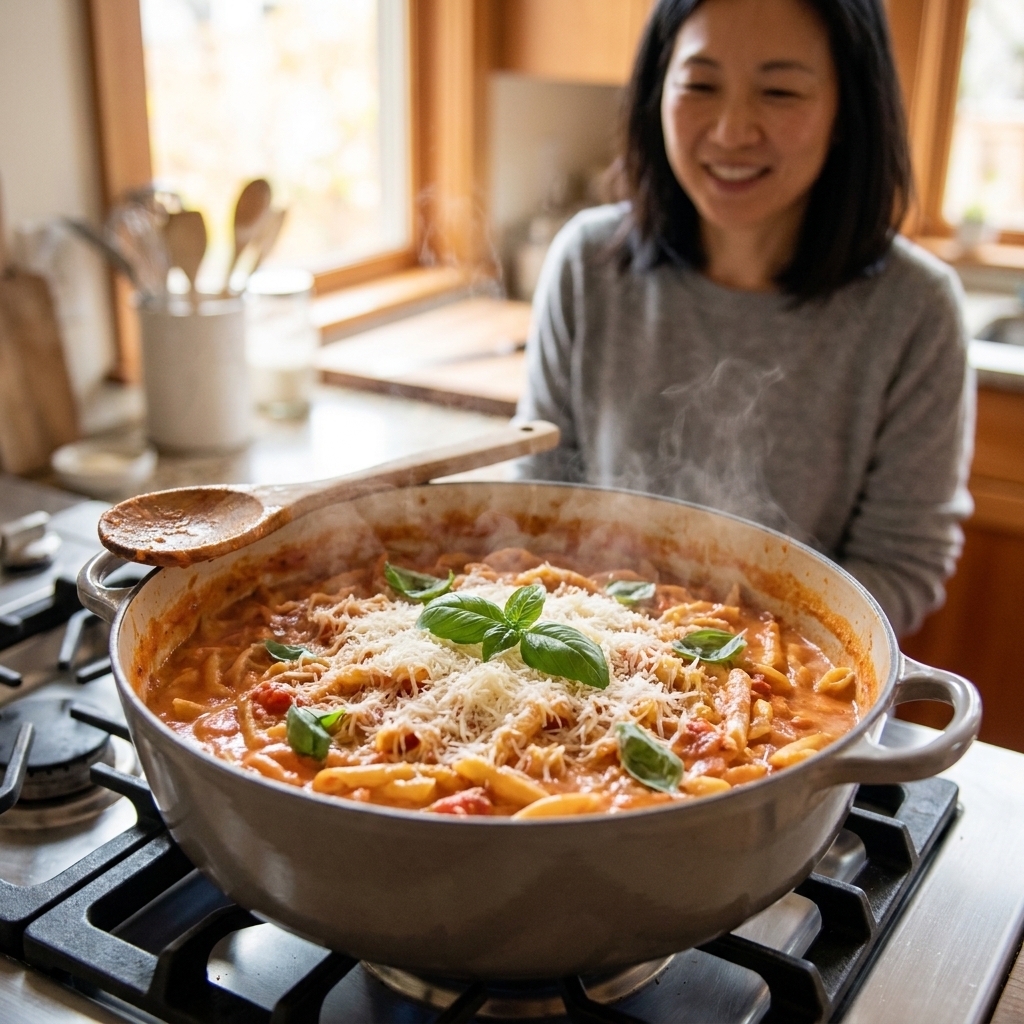
- Weeknight baked pasta: toss with cooked pasta, mozzarella, and bake
- Quick braise: simmer meatballs or chicken thighs right in the sauce
Hollandaise
Hollandaise is the brunch celebrity. It is also the one that makes home cooks nervous, so let me say this plainly: you can do it. The goal is a warm, thick sauce that tastes like lemony butter and hugs whatever it touches. Eggs Benedict, asparagus, salmon, roasted potatoes, even a humble fried egg. Hollandaise makes it feel like a treat.
Traditional hollandaise is whisked over gentle heat. At home, I love the blender method because it is fast and forgiving. Some people prefer clarified butter (it can be a bit more stable), but hot melted butter works beautifully here as long as you pour it in slowly.
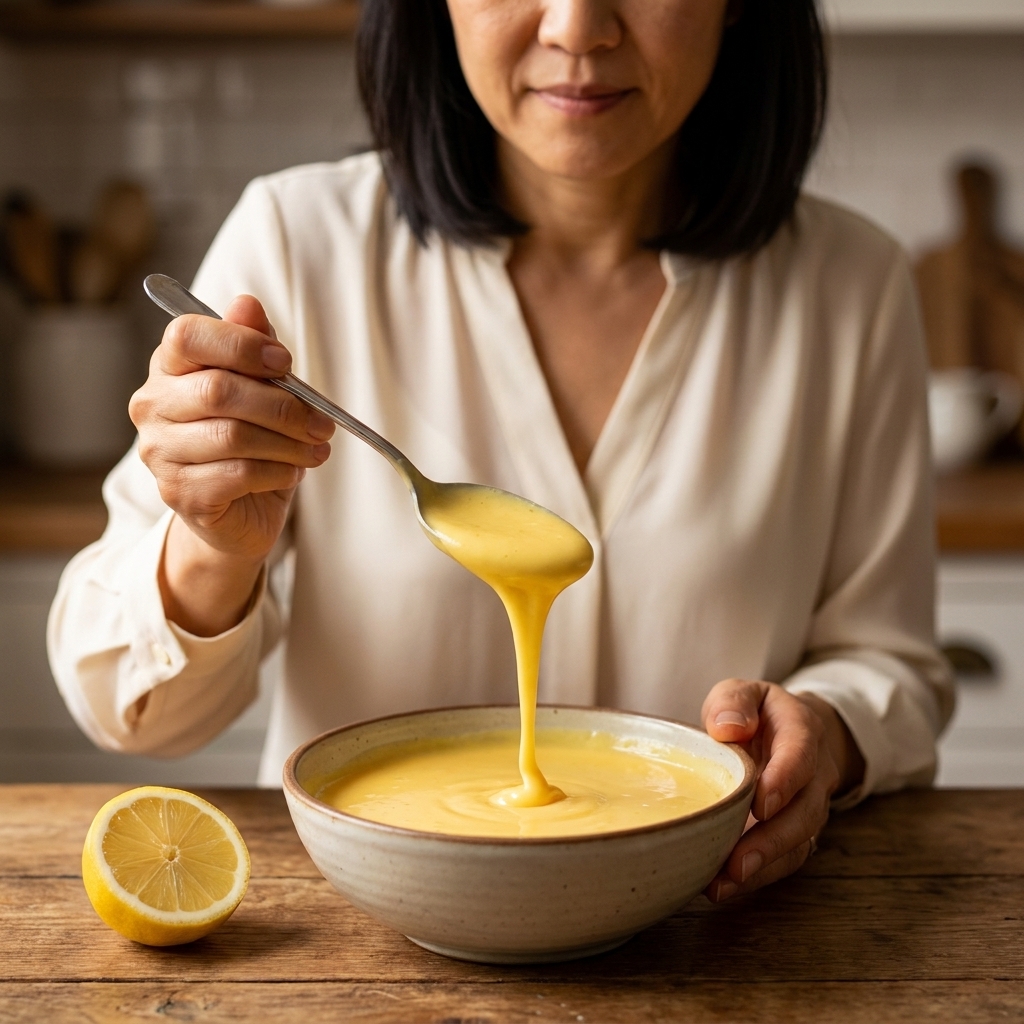
Blender Hollandaise Recipe
Makes: about 1 cup
Ingredients
- 3 large egg yolks
- 1 tbsp lemon juice (plus more to taste)
- 1/2 tsp kosher salt
- Pinch of cayenne or paprika (optional)
- 1/2 cup (1 stick) unsalted butter, melted until hot and steamy
- 1 to 2 tbsp warm water, as needed for texture
Method
- Warm your blender jar (optional but helpful): Swirl with hot water, then dump it out.
- Blend yolks and acid: Add egg yolks, lemon juice, salt, and cayenne. Blend 10 seconds.
- Stream in butter: With the blender running, slowly pour in the hot melted butter. The sauce should thicken and turn glossy.
- Adjust: If it is too thick, blend in warm water 1 tsp at a time. Taste and add more lemon or salt if needed.
How to keep hollandaise happy
- Keep warm, not hot: Set the blender jar or a bowl in a warm spot, not directly on heat. For best texture, try to hold it around 140°F/60°C, and keep it below about 160°F/71°C so it does not scramble.
- Use within 1 to 2 hours: It is best fresh. If it thickens as it sits, whisk in a teaspoon of warm water. For food safety, follow local guidance for holding egg-based sauces.
Easy variations
- Béarnaise-style: Swap lemon for tarragon vinegar and add chopped tarragon (true béarnaise has a reduction, but this gets you close fast).
- Orange hollandaise: Use half lemon juice, half orange juice for a sweeter, brunchy twist.
Cheat sheet
If you like quick reference lists, this is the one to save for later.
- Béchamel: butter + flour + milk
- Velouté: butter + flour + light stock
- Espagnole: browned aromatics + brown roux + brown stock + tomato
- Sauce Tomate: aromatics + tomatoes + stock, simmered
- Hollandaise: egg yolks + lemon + warm butter (an emulsion)
Quick ratio to remember
For roux-thickened sauces, a classic starting point is roughly equal parts fat and flour by weight. The tablespoon measurements in these recipes are designed to work as written, but that ratio is handy if you scale up or down.
Common problems
Lumpy béchamel or velouté
- Take it off heat and whisk hard.
- If that fails, strain through a fine-mesh strainer.
- Next time: add liquid gradually and make sure your roux is smooth before you pour more in.
Sauce tastes like raw flour
- Roux needs more time, or the sauce needs a few more minutes at a gentle simmer. Stir so it does not scorch.
Scorched bottom
- Do not scrape it up. Carefully pour the sauce into a clean pot, leaving the scorched bits behind.
Hollandaise broke (looks greasy or separated)
- Try blending in 1 tsp warm water at a time.
- If it is really split, start with 1 fresh yolk in the blender and slowly stream in the broken sauce like it is butter.
Sauce is bland
- Salt helps, but so does acid. A squeeze of lemon, a splash of vinegar, or a spoon of Dijon can wake up a sleepy sauce fast.
Make-ahead and storage
Béchamel and velouté
- Fridge: 3 to 4 days in an airtight container.
- Reheat: Low heat, stirring, with a splash of milk or stock to loosen.
- Tip: Press plastic wrap directly on the surface to prevent a skin.
Espagnole and sauce tomate
- Fridge: 4 to 5 days.
- Freezer: Freeze flat in zip-top bags or in muffin tins for sauce “pucks.”
Hollandaise
- Best fresh: Make it right before serving when possible.
- If you must hold it: Keep it warm (not hot) and use within 1 to 2 hours. Use a thermometer if you can, and follow local food-safety guidance for egg-based sauces.
How I’d practice
If you want the biggest confidence boost with the least chaos, here is my favorite order:
- Béchamel on a Tuesday: turn half into mac and cheese.
- Velouté the next week: use it for a quick chicken pot pie filling.
- Sauce tomate on a Sunday: freeze half for future you.
- Hollandaise on a slow weekend morning: asparagus and toasted English muffins are plenty.
- Espagnole when you feel ready for simmer time: make it while you roast something and let the stove do the work.
And remember: every sauce gets easier the second time. The first batch is just you learning what “thick enough” looks like in your own saucepan.
FAQ
Do I have to use whole milk for béchamel?
Whole milk gives the best body and flavor, but you can use 2 percent. If you use skim, the sauce will be thinner and less rich, so you may want to simmer it a little longer.
Can I make these gluten-free?
For béchamel and velouté, you can swap the flour for a gluten-free all-purpose blend that contains starches (results vary by brand). Another option is thickening with a cornstarch slurry, but that moves you away from classic roux technique.
What is the difference between a mother sauce and a daughter sauce?
The mother sauce is the base. A daughter sauce is what happens when you add a key ingredient or two, like cheese in béchamel to make Mornay, or cream in velouté to make a richer finishing sauce.
Which sauce is most useful on weeknights?
Béchamel and sauce tomate are the biggest workhorses in my house. Béchamel turns leftovers into a casserole. Tomato sauce rescues everything from pasta to meatballs to baked eggs.