Three weeknight wins from one rotisserie chicken: tacos, soup, and pasta. Each meal is ready in under 15 minutes with simple pantry-friendly add-ins.
Article
Updated October 1, 2026
Classic Chicken Pot Pie with Puff Pastry

Maya Chen
Maya Chen is a passionate home cook, recipe developer, and mother of two who believes that great food doesn't have to be complicated. Drawing from her multicultural upbringing and time spent in professional test kitchens, she creates approachable, flavor-packed recipes designed for real life.
Sizzlea
recipes
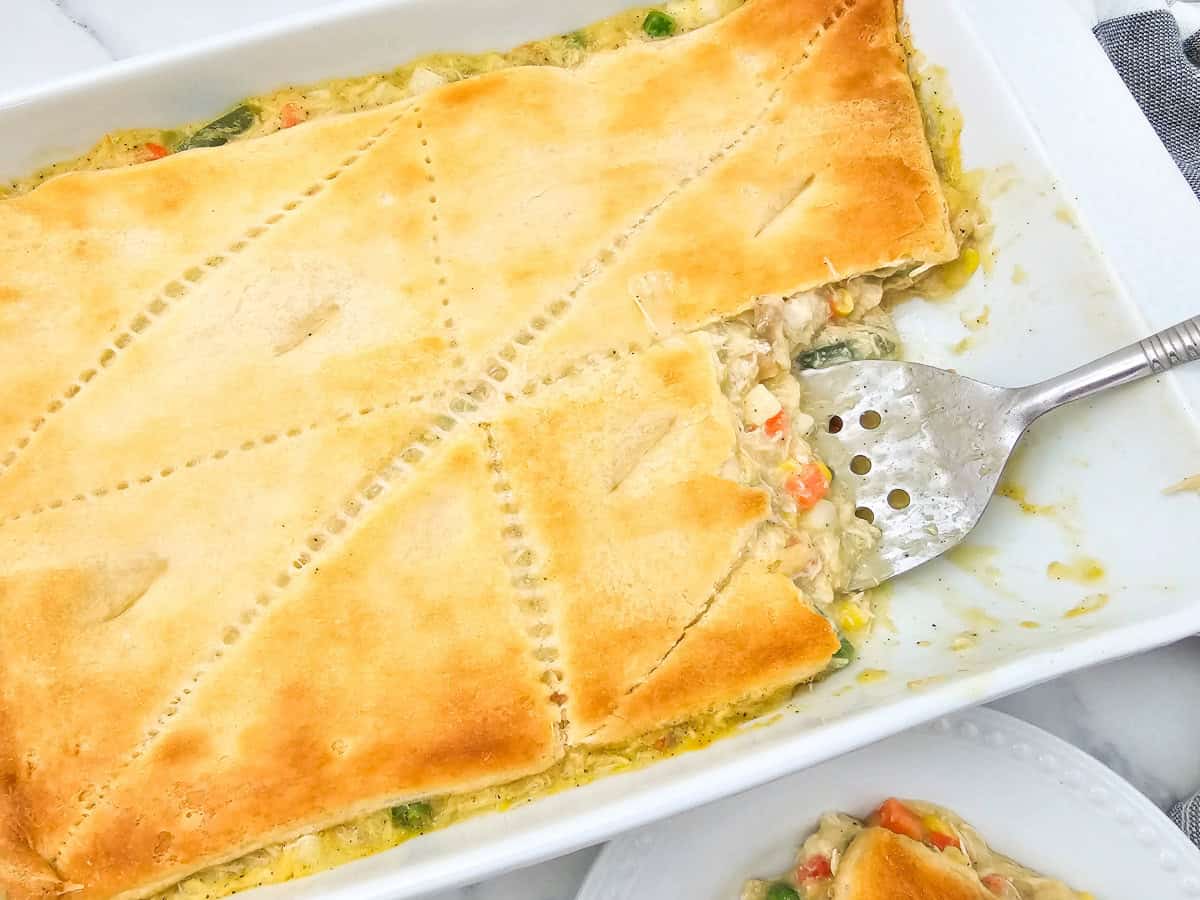
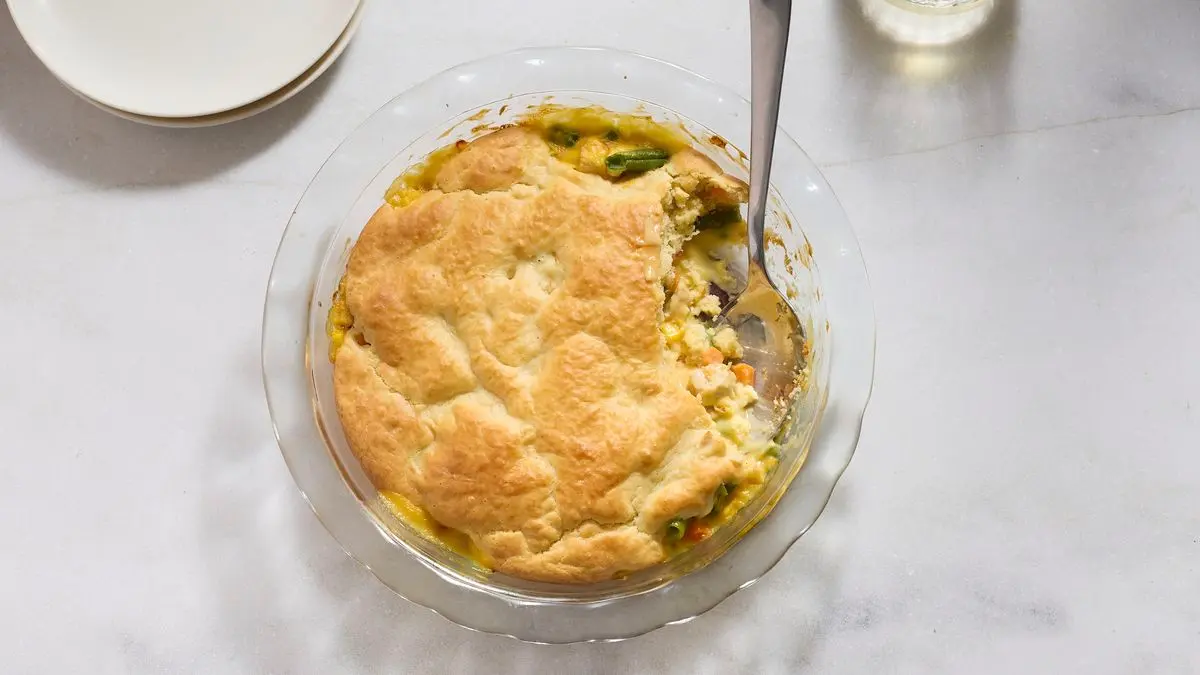
Chicken pot pie is one of those meals that feels like a warm hug, but the traditional version can be a whole project. This one keeps the cozy, creamy filling and goes straight for the good part on top: flaky puff pastry. You still get that golden, crackly crust moment, just with a much faster finish.
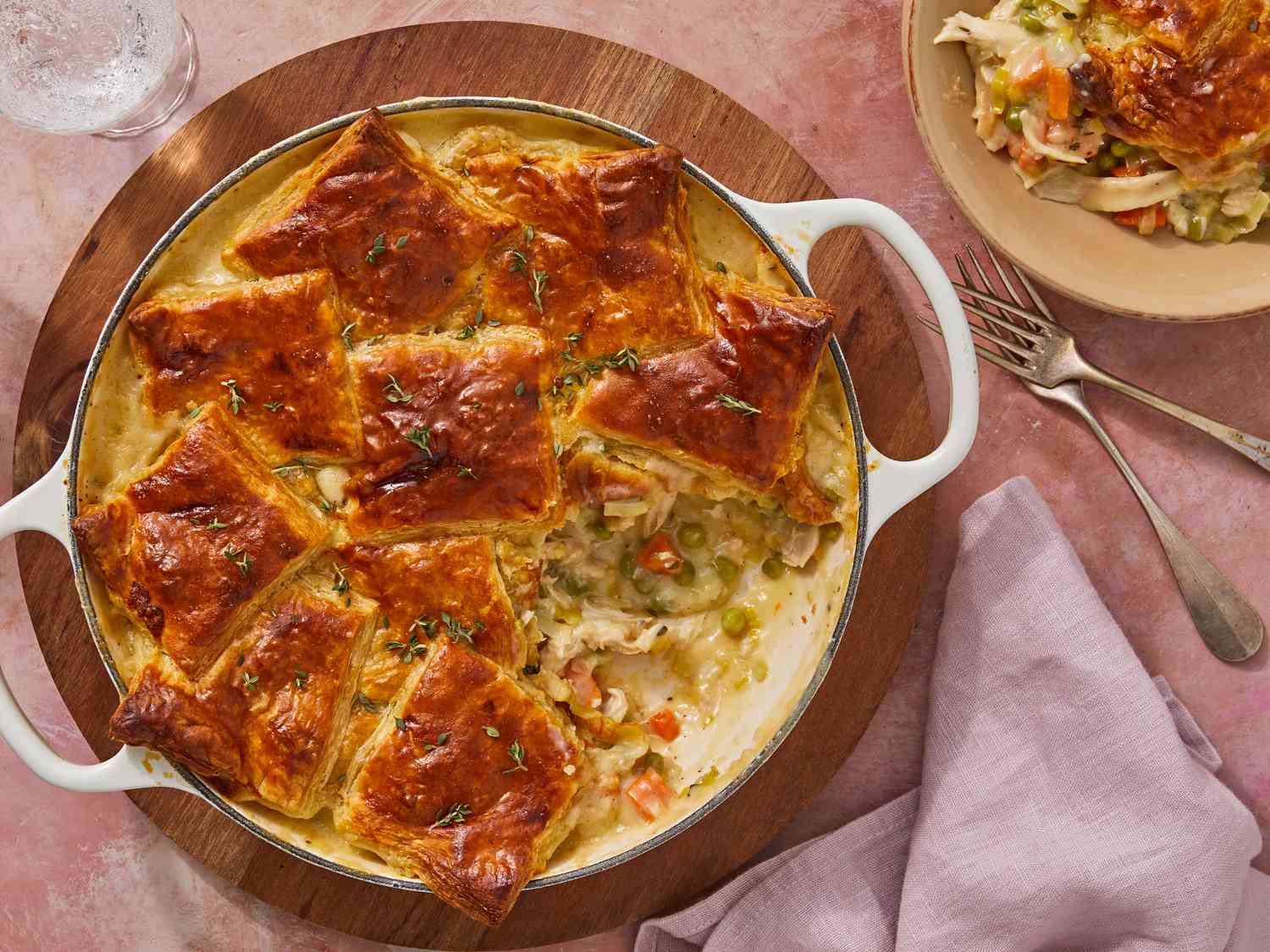
I’ll walk you through a classic, from-scratch filling that’s totally doable on a weeknight, plus exactly how thick the sauce should be, which vegetables work best, how to bake it in ramekins, and how to make it ahead without soggy pastry.
Why puff pastry works
Puff pastry gives you that bakery-style, shattering flake without making or rolling pie dough. It’s basically the shortcut that doesn’t feel like a shortcut.
- Fast: No chilling, no fussing with a bottom crust.
- Extra flaky: Those buttery layers puff up dramatically in the oven.
- Flexible: Bake it as one big pie, or do little ramekins if you want portioned comfort food.
One important note: puff pastry is happiest when it stays crisp, which is why we bake it on top only. A bottom puff pastry crust tends to go soft under the creamy filling.
Chicken Pot Pie with Puff Pastry
Serves: 6
Time: about 55 minutes
Equipment: 10-inch deep-dish pie dish or 2 to 2.5-quart baking dish
Ingredients
- 2 tablespoons unsalted butter
- 1 tablespoon olive oil
- 1 medium yellow onion, diced
- 2 carrots, peeled and diced small
- 2 celery ribs, diced small
- 3 cloves garlic, minced
- 1 teaspoon kosher salt, plus more to taste
- 1/2 teaspoon black pepper
- 1/2 teaspoon dried thyme (or 1 teaspoon fresh)
- 1/4 cup all-purpose flour
- 2 cups chicken broth (low sodium is great)
- 1 cup whole milk or half-and-half
- 2 cups cooked chicken, shredded or diced (rotisserie works beautifully)
- 1 cup frozen peas
- 1 tablespoon chopped fresh parsley (optional, but lovely)
- 1 sheet frozen puff pastry, thawed according to package directions (see size note below)
- 1 large egg, beaten with 1 teaspoon water (egg wash)
Instructions
- Preheat and prep. Heat oven to 400°F. Place your baking dish on a rimmed sheet pan (this catches any bubbly overflow and saves your oven floor).
- Sauté the vegetables. In a large skillet or Dutch oven, melt butter with olive oil over medium heat. Add onion, carrots, and celery. Cook 6 to 8 minutes, stirring often, until softened. Add garlic, salt, pepper, and thyme, and cook 30 seconds more.
- Make the roux. Sprinkle flour over the vegetables and stir constantly for 1 to 2 minutes, until the flour smells lightly nutty and you don’t see dry patches.
- Build the sauce. Slowly pour in the chicken broth while stirring, scraping up any bits from the bottom of the pan. Add the milk or half-and-half. Bring to a gentle simmer and cook, stirring frequently, until the sauce coats a spoon like gravy, 3 to 6 minutes depending on your pan and heat.
- Add chicken and peas. Stir in cooked chicken and frozen peas. Simmer 1 to 2 minutes, just to warm through. Taste and adjust salt and pepper. Stir in parsley if using.
- Fill the dish. Pour the filling into your pie dish or baking dish. Let it sit while you prep the pastry, about 5 minutes. This cool-down cuts steam, which helps keep the pastry crisp.
- Top with puff pastry. On a lightly floured surface, roll the puff pastry just enough to fit your dish (about 1 inch bigger than the top). Lay it over the filling without stretching it. Trim the edges so there’s a small overhang, then lightly tuck just the very edge inside the dish or simply press it to the rim. Do not seal it tightly, since puff pastry needs room to lift. Cut 3 to 5 small slits in the top for venting.
- Egg wash. Brush the pastry with egg wash for that deep golden finish.
- Bake. Bake 25 to 35 minutes, until the pastry is puffed and deeply golden and the filling is bubbling in the center, not just at the edges. If the top browns too quickly, loosely tent with foil for the last 10 minutes.
- Rest, then serve. Let stand 10 minutes before scooping. The filling thickens a bit as it cools, and you’ll get cleaner, creamier servings.
Puff pastry size note: Most puff pastry comes in a 17.3-ounce box with two sheets, so you will use 1 sheet. Sheet size varies by brand and how it’s folded, so don’t stress if it looks small at first. Let it thaw fully, then roll it a little thinner to fit your dish.
Ramekins and mini pies
If you want individual portions, divide the hot filling among 4 to 6 oven-safe ramekins and top each with a puff pastry round or square. Vent and egg wash the same way.
- Bake time: Start checking at 18 to 22 minutes at 400°F. You’re looking for puffed, deep golden pastry and filling that’s actively bubbling.
- Tip: Keep the pastry cold right up until it goes in the oven. If it gets soft while you work, chill the topped ramekins for 10 minutes.
Sauce thickness
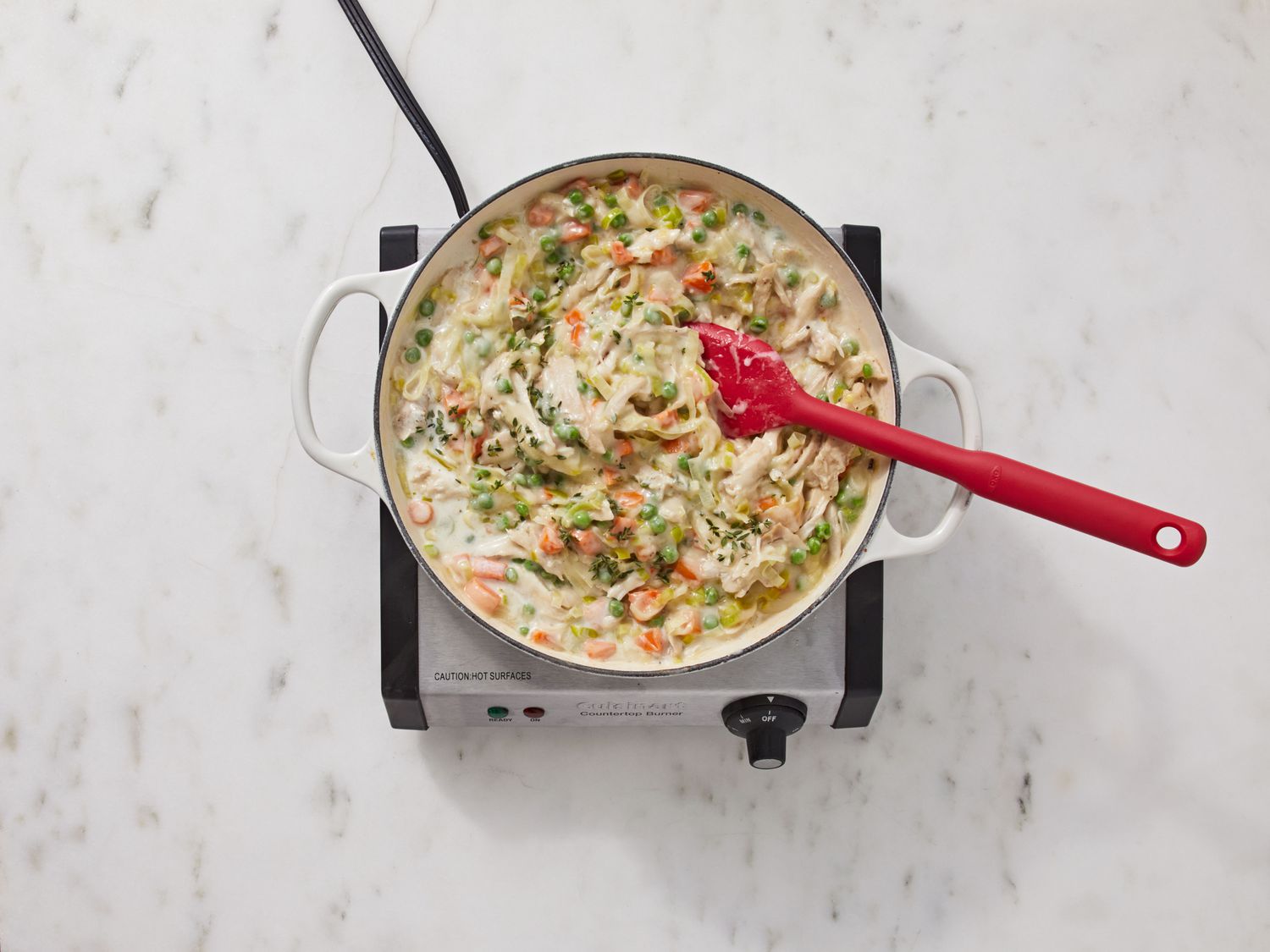
This is the pot pie make-or-break moment. You’re aiming for a sauce that coats a spoon like a gravy, not a soup.
- Perfect thickness: When you drag a spoon through the sauce, it should leave a brief trail before slowly filling back in.
- If it’s too thin: Simmer a few minutes longer, stirring often. Thin filling can soften your pastry.
- If it’s too thick: Splash in a little more broth or milk, 2 tablespoons at a time, until it loosens up.
My real-life tip: If your chicken is very juicy (hello, rotisserie), the filling can loosen as it sits. If you’re on the fence, go slightly thicker in the skillet.
Vegetable options
The classic trio is onion, carrot, and celery, plus peas. But pot pie is wonderfully forgiving. Here’s what swaps in well:
Add-ins
- Mushrooms: Add with the onions for extra savoriness.
- Potatoes: Dice small and par-cook (microwave or simmer) so they’re tender by bake time.
- Green beans: Use frozen cut green beans, or blanch fresh.
- Corn: Frozen corn adds sweetness and color.
- Spinach: Stir in a big handful at the end to wilt.
Quick rule
Anything that needs real cooking time (potatoes, fresh green beans) should be cooked until almost tender before it goes into the sauce. The oven time is mostly for the pastry, not for softening hard vegetables.
Crisp puff pastry tips
- Thaw correctly: Thaw in the fridge if you can. If it gets too warm, it becomes sticky and won’t puff as well.
- Keep it cold: If your kitchen is warm, pop the rolled pastry back in the fridge for 5 to 10 minutes. Cold pastry hits the oven and springs up higher.
- Do not stretch it: Stretching makes it shrink and can pull it down into the filling.
- Vent it: Those little slits are not just decorative. They let steam escape so the pastry stays lofty.
- Egg wash is worth it: It gives you that gorgeous deep golden sheen and helps highlight the flaky layers.
Make-ahead and storage
Pot pie is a gift to Future You, with one big caveat: puff pastry is crispest when baked fresh.
Make ahead
- Make the filling up to 2 days ahead.
- Cool completely, cover, and refrigerate.
- When ready to bake, rewarm the filling until hot (so it doesn’t steal heat from the pastry), transfer to the dish, top with puff pastry, and bake.
Leftovers
- Store covered in the fridge for 3 to 4 days.
- Reheat in a 350°F oven until hot (15 to 25 minutes). The oven helps re-crisp the pastry better than the microwave.
Freezing
Best: Freeze the filling only. Cool it completely, freeze up to 3 months, thaw in the fridge, then top with puff pastry and bake.
If you freeze it assembled: Expect the pastry to be a little less lofty. Freeze unbaked until solid, wrap well, then bake from frozen at 400°F, adding 15 to 25 minutes. Use doneness cues more than the clock: the pastry should be deeply golden and the filling should be bubbling in the center. Tent with foil if browning early.
Troubleshooting
My pot pie is runny
Most often, the sauce did not simmer long enough to thicken, or the filling was topped while piping hot and released a lot of steam under the pastry. Next time, simmer a bit longer until it coats a spoon, and let the filling cool for 5 to 10 minutes before topping.
The puff pastry is browned but the middle is underdone
Your oven may run hot on top, or your dish may be very deep. Loosely tent with foil and keep baking until the pastry looks fully puffed and set and you see bubbling in the center.
The pastry slid into the filling
This can happen if the filling is too thin or the pastry is stretched tight. Make sure the filling is thick, lay the pastry on without pulling it taut, and cut vents.
Serving ideas
Chicken pot pie is absolutely a full meal, but I love a little something crisp and fresh on the side.
- Simple green salad with a sharp vinaigrette
- Lemony roasted broccoli
- Quick cucumber salad
And if you’re feeding kids, a small bowl of fruit on the table often keeps the peace while the pie cools. Just saying.
FAQ
Can I use turkey?
Absolutely. This is one of my favorite ways to use leftover roast turkey. Keep everything else the same.
Can I make it dairy-free?
Yes. Use olive oil or a plant-based butter in place of the butter, and swap the milk or half-and-half for unsweetened, unflavored oat milk or an additional cup of broth. The filling will taste a little lighter and less rich, so don’t be shy with seasoning.
Do I need a bottom crust?
Nope. The filling is creamy and rich, and puff pastry shines as a top crust. You get maximum flake with minimal work.
What if my puff pastry sheet is too small?
Roll it slightly thinner to fit, or patch pieces together by lightly overlapping and pressing to seal. Egg wash helps “glue” seams, and once it puffs, nobody will notice.