Maximum flavor, minimal cleanup. Learn the sheet pan dinner formula, veggie timing, quick marinades, and simple tricks for golden, weeknight meals.
recipes
Updated September 21, 2026
Fresh vs. Frozen Veggies for Fast Dinners

Maya Chen
Maya Chen is a passionate home cook, recipe developer, and mother of two who believes that great food doesn't have to be complicated. Drawing from her multicultural upbringing and time spent in professional test kitchens, she creates approachable, flavor-packed recipes designed for real life.
Sizzlea
recipes
My weeknight cooking reality looks like this: one kid asking what’s for dinner, the other “helping” by rearranging my measuring spoons, and me trying to get something delicious on the table before anyone melts down. Vegetables are non-negotiable in our house, but they have to be easy. That is why I’m firmly on Team Fresh and Frozen.
Fresh veggies bring crunch and that just-picked vibe. Frozen veggies bring sanity. When you know how to use both, you can make quick dinners that taste intentional, not like you grabbed random things and hoped for the best.
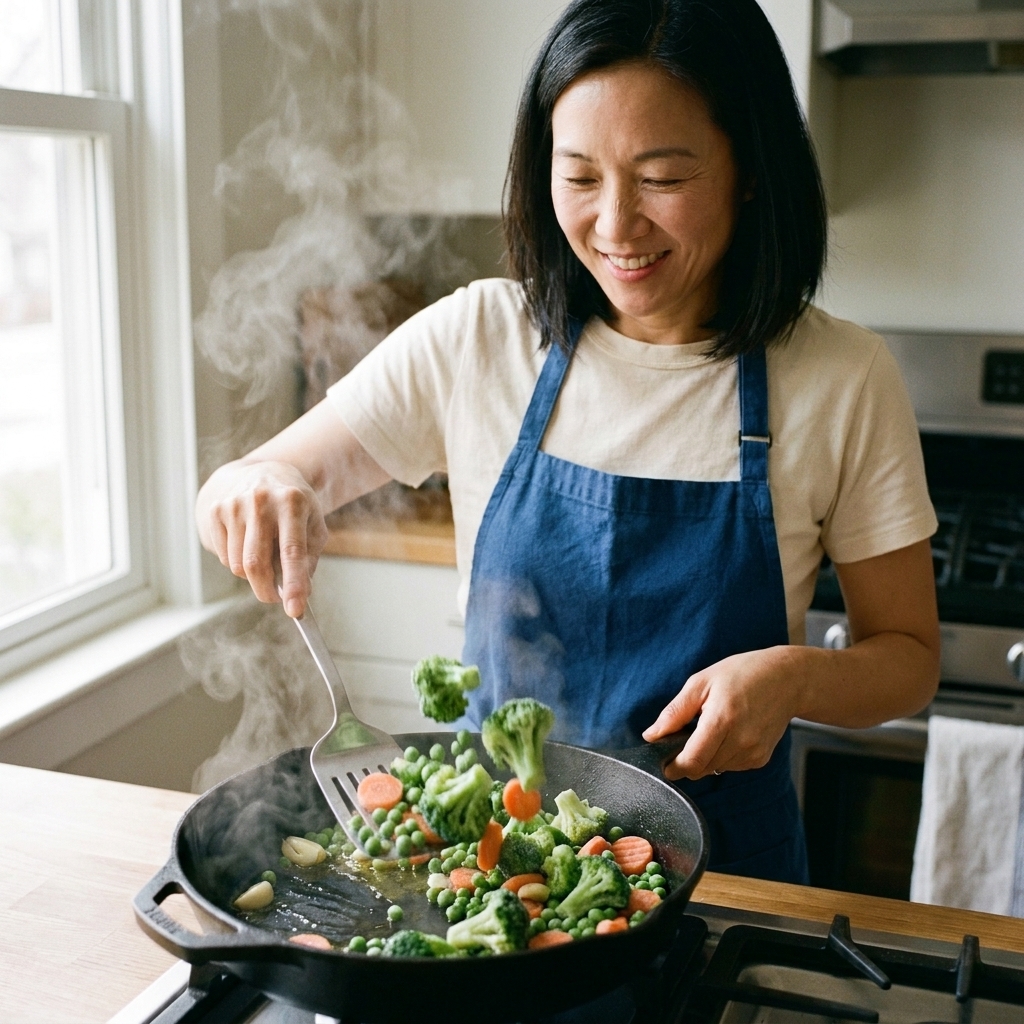
Are frozen vegetables as healthy as fresh?
Most of the time, yes. Here’s the simple truth: frozen vegetables are often harvested at peak ripeness and frozen quickly. That can lock in nutrients really well.
Fresh vegetables can be equally nutritious, but nutrient levels can shift during transport and storage. A head of broccoli that’s been hanging out in your fridge for a week is still good for you, but it might not be at its absolute nutritional peak.
One helpful nuance: results vary by the vegetable, whether it was blanched before freezing, how long “fresh” has been stored, and how you cook it. The good news is you’ve got plenty of wins either way.
Quick nutrition takeaways
- Frozen can match fresh for many vitamins and antioxidants, especially when it’s frozen soon after harvest.
- Some vitamins are sensitive (like vitamin C and certain B vitamins). Both fresh and frozen can lose a bit over time or with cooking, so cooking method matters.
- Fiber stays steady. Fresh or frozen, veggies still bring the fiber that helps keep dinner satisfying.
- Watch the add-ins: choose plain frozen vegetables when you can. Sauced or seasoned versions can be higher in sodium or added sugars.
If you want one rule you can actually remember: the best vegetable is the one you will use. Frozen veggies used tonight beat fresh veggies that turn limp in the crisper drawer.
Flavor and texture
I love a crisp snap as much as anyone. But not every dinner needs raw crunch. Different veggies behave differently, so here’s where each option really excels.
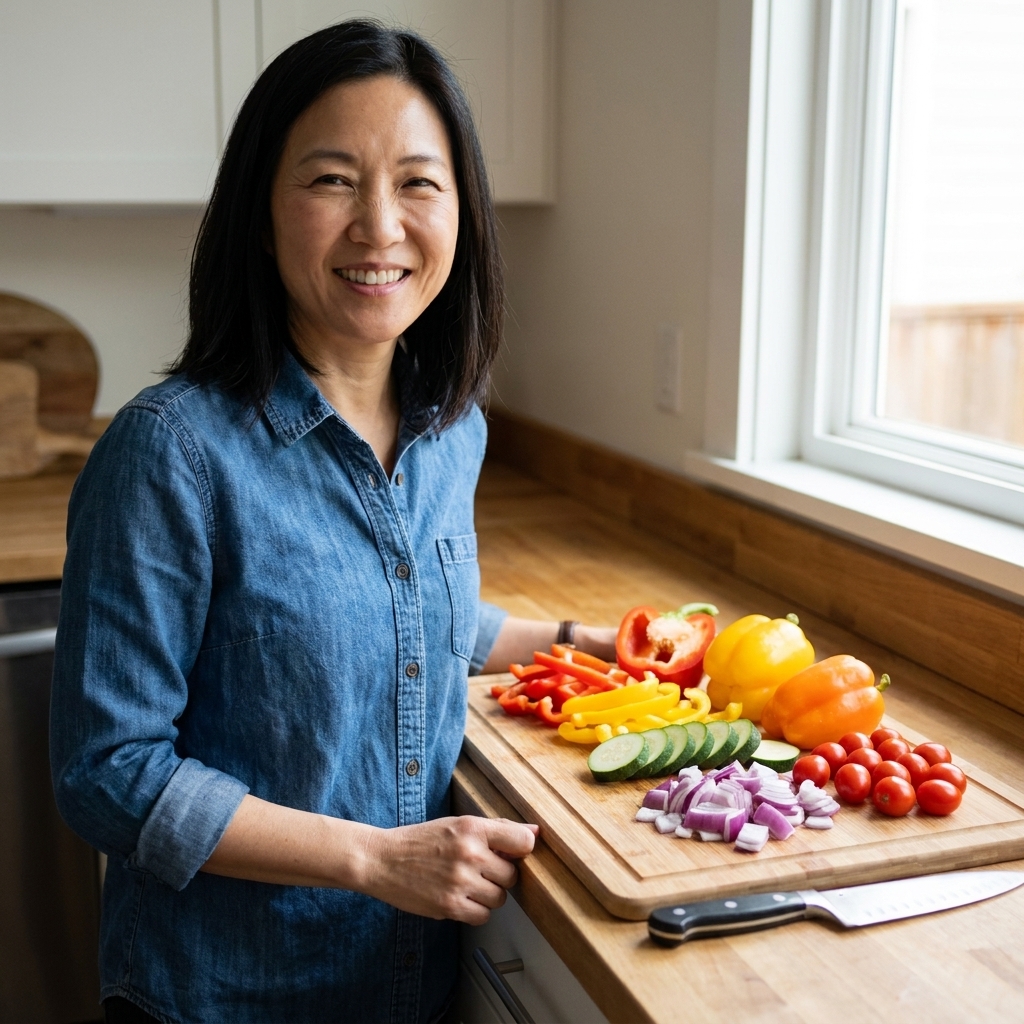
Fresh is best for
- Salads and slaws: romaine, cabbage, carrots, cucumbers, radishes
- Quick sautés where you want bite: bell peppers, snap peas, zucchini, asparagus
- Roasting for caramelization: Brussels sprouts, cauliflower, sweet potatoes, onions (frozen can roast too, but fresh browns more reliably)
- Garnishes and brightness: scallions, herbs, lemony arugula, cherry tomatoes
Frozen is fantastic for
- Stir-fries and skillet meals: broccoli florets, mixed veg blends, green beans
- Soups, stews, and curries: peas, corn, spinach, cauliflower, butternut squash
- Pasta and rice dishes: peas in carbonara-style pasta, spinach folded into risotto, corn in fried rice
- “Emergency vegetables”: the bag you keep for nights when your plan disappears at 5:30 pm
The big mistake
If you’ve ever cooked frozen vegetables and ended up with a watery, mushy situation, it’s not you. It’s physics.
When vegetables freeze, the water inside them expands and forms ice crystals. Those crystals can break down cell walls a bit, which is why frozen veg can soften faster once it hits heat.
Frozen vegetables also release water as they cook. If your pan is crowded or not hot enough, they’ll steam instead of sear. The fix is simple and very weeknight-friendly.
How to cook frozen vegetables so they taste amazing
- Use high heat: a hot skillet, wok, or sheet pan gives you better browning.
- Don’t overcrowd: cook in a single layer if possible, or in two batches if you need to.
- Skip the thaw (usually): cook them straight from frozen so they don’t thaw and release water before they hit the hot pan. The exception is spinach, which you’ll often want to thaw and squeeze dry.
- Season late-ish: salt pulls out moisture. I’ll often add spices early (garlic powder, chili flakes, pepper), then salt more confidently at the end once things are browned.
- Finish with flavor: acid (lemon, vinegar), fat (butter, sesame oil), and punchy sauces (soy sauce, chili crisp) bring frozen veggies to life.
Easy cooking times (starting points)
- Frozen broccoli florets: 6 to 9 minutes in a hot skillet, depending on floret size, pan heat, and how full the pan is. Finish with garlic and a squeeze of lemon.
- Frozen green beans: 7 to 10 minutes, depending on thickness and pan space. Great with butter and toasted almonds.
- Frozen peas: 2 to 3 minutes. Stir them in at the end so they stay sweet.
- Frozen spinach: thaw, squeeze dry, then warm through in 2 to 3 minutes with garlic and olive oil.
Mix fresh and frozen
This is my favorite move: use frozen veggies for the “bulk” and fresh veggies for the “spark.” Think: frozen broccoli does the heavy lifting, fresh scallions and cilantro make it taste like you tried extra hard.
The “bulk + spark” formula
- Bulk: frozen broccoli, cauliflower rice, peas, corn, green beans, spinach
- Spark: fresh herbs, lemon or lime, chopped tomatoes, arugula, sliced jalapeño, thin onion or scallion
- Glue: a fast sauce (store-bought pesto, jarred salsa verde, soy sauce + honey, curry paste + coconut milk)
Three dinner shortcuts that always work
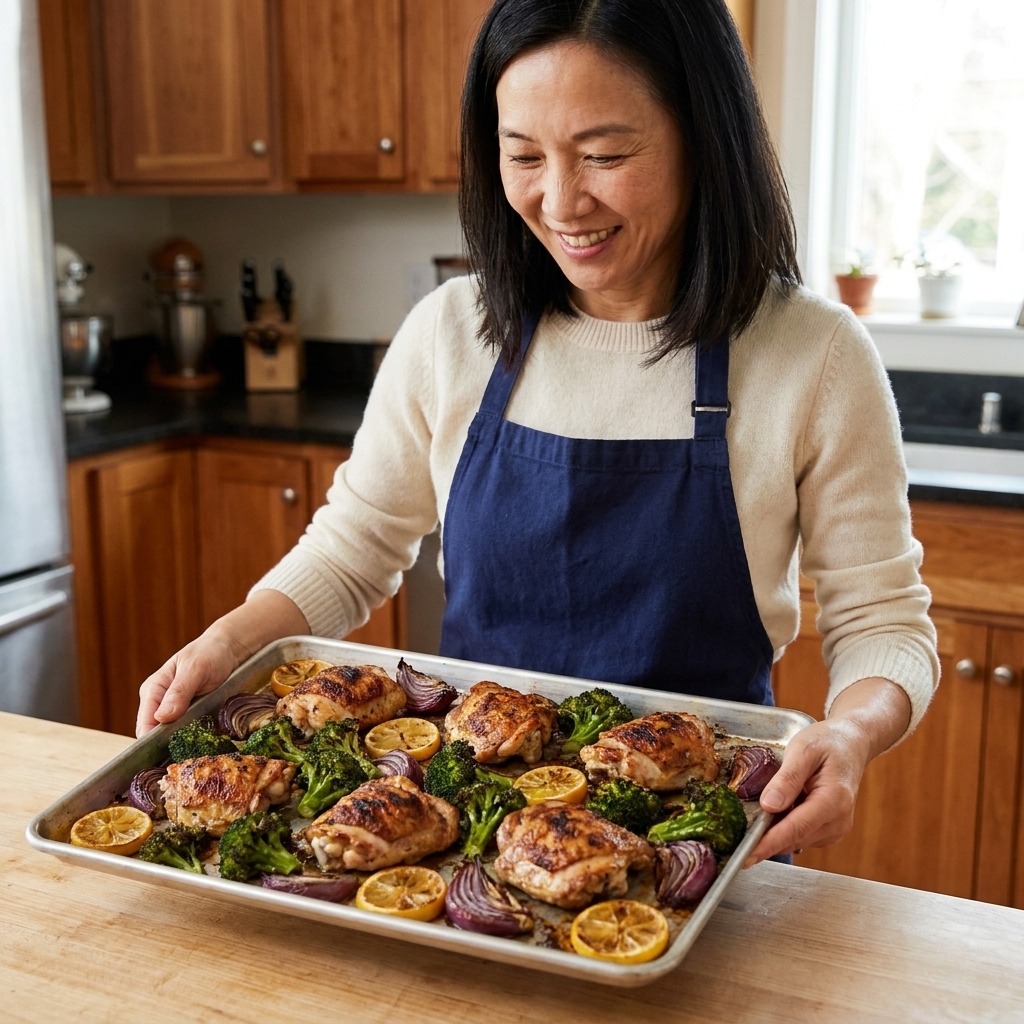
- Sheet pan: roast protein plus frozen veg at 425°F, add fresh greens or herbs after.
- One skillet: brown protein first, push to the side, sear frozen veg, finish with a quick sauce.
- One pot: simmer a flavorful broth or sauce, add frozen veg near the end, top with fresh crunchy stuff.
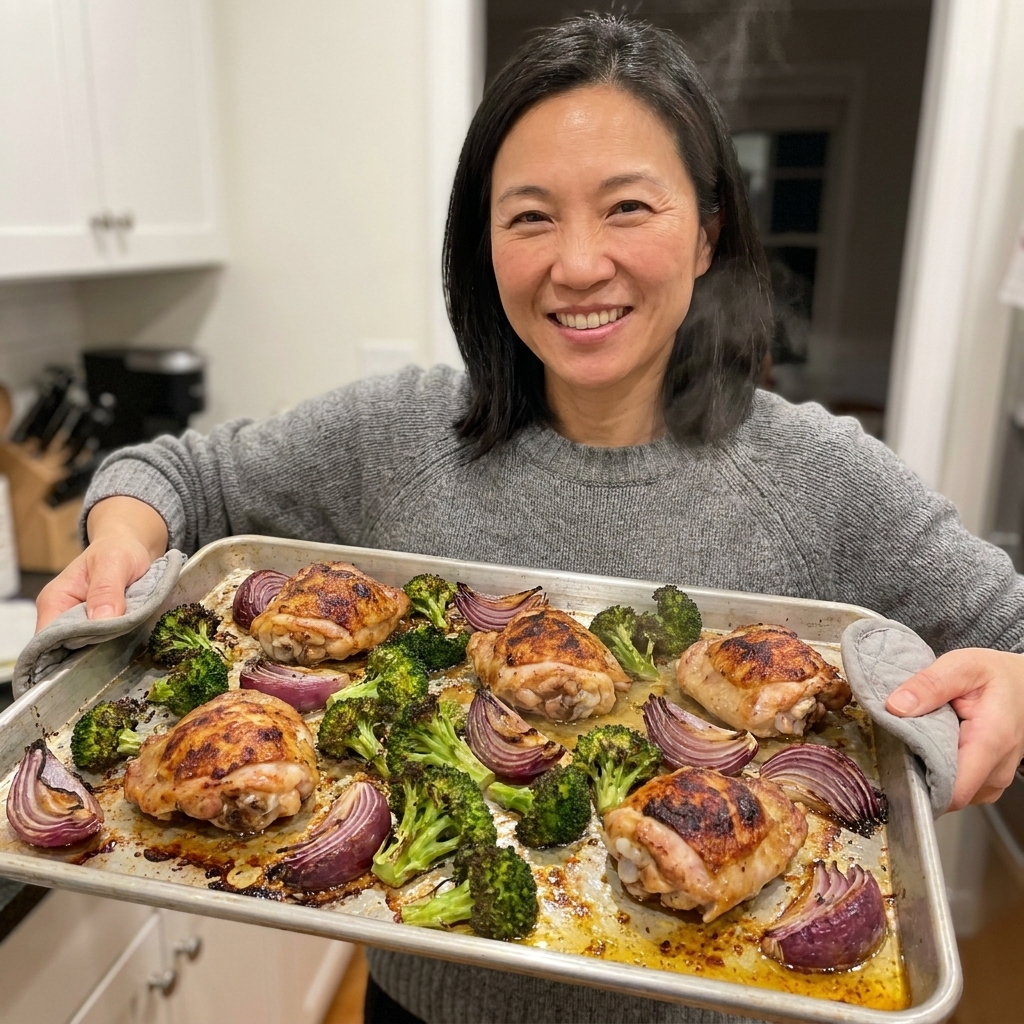
Quick dinner ideas
These are the kinds of meals I build when I need dinner fast but refuse to eat sad food.
1) 15-minute sesame veggie fried rice
- Use: frozen peas and carrots, frozen corn, fresh scallions
- Shortcut: day-old rice or microwaveable rice
- Flavor: soy sauce, toasted sesame oil, garlic, a little butter
Tip: push the rice to the edges, scramble eggs in the center, then mix everything together for that takeout-style vibe.
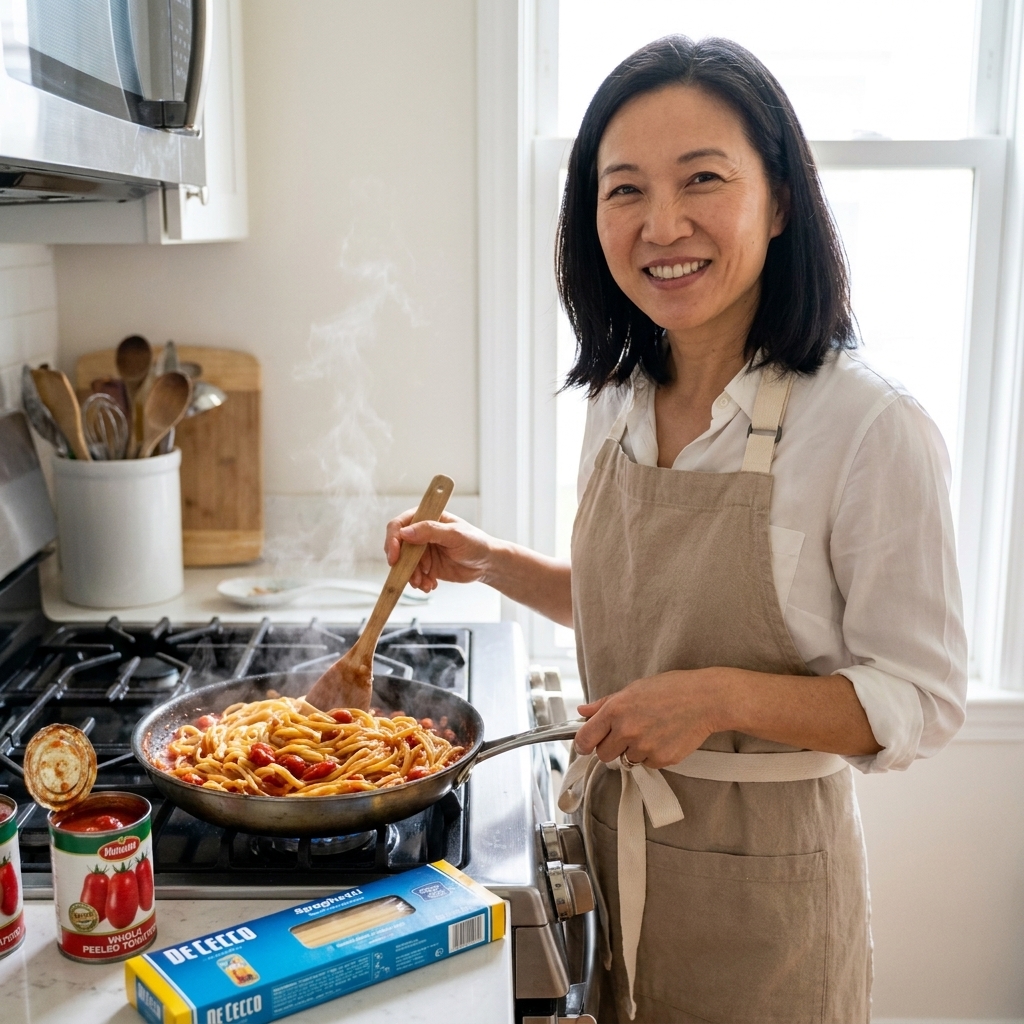
2) Creamy lemon pasta with peas and spinach
- Use: frozen peas, frozen spinach (thawed and squeezed), fresh lemon and parsley
- Shortcut: use pasta water + a little cream cheese or ricotta for instant sauce
Tip: add peas in the last 2 minutes of pasta cooking so they stay bright and sweet.
3) Weeknight curry that tastes like weekend curry
- Use: frozen cauliflower or mixed veggies, fresh ginger or cilantro
- Shortcut: curry paste + coconut milk
Tip: finish with fresh lime and a handful of chopped herbs. It wakes up the whole bowl.
4) Taco bowls with fajita peppers and “emergency corn”
- Use: fresh bell peppers and onions, frozen corn
- Shortcut: canned beans + a packet of taco seasoning (or chili powder + cumin)
Tip: sear the corn in a hot skillet until you get a little char. It tastes sweet and smoky, like summer.
5) Steam-in-bag upgrade bowl
- Use: steam-in-bag frozen veggies (broccoli, green beans, mixed veg), fresh lemon, fresh herbs or scallions
- Shortcut: microwave the veggies, then toss with olive oil or butter + a squeeze of lemon
- Flavor: finish with parmesan, chili crisp, or a quick drizzle of soy sauce
Tip: microwaving is great when time is truly unhinged. A quick finish with fat + acid makes it taste like a real side, not a compromise.
Shopping and storage
The goal is fewer wasted vegetables and fewer nights where you stare into the fridge like it betrayed you.
My “fast dinner” veggie list
- Fresh staples (buy weekly): onions, garlic, carrots, a leafy green (spinach or kale), one salad green, one quick-cook veg (zucchini or peppers)
- Frozen staples (keep always): broccoli florets, peas, corn, spinach, a stir-fry blend, cauliflower rice (optional but handy)
Storage tips that actually help
- Freeze fresh herbs that are about to turn: chop, pack into an ice cube tray, cover with olive oil, freeze.
- Blanch and freeze fresh veggies if you bought too much (green beans and broccoli are great candidates).
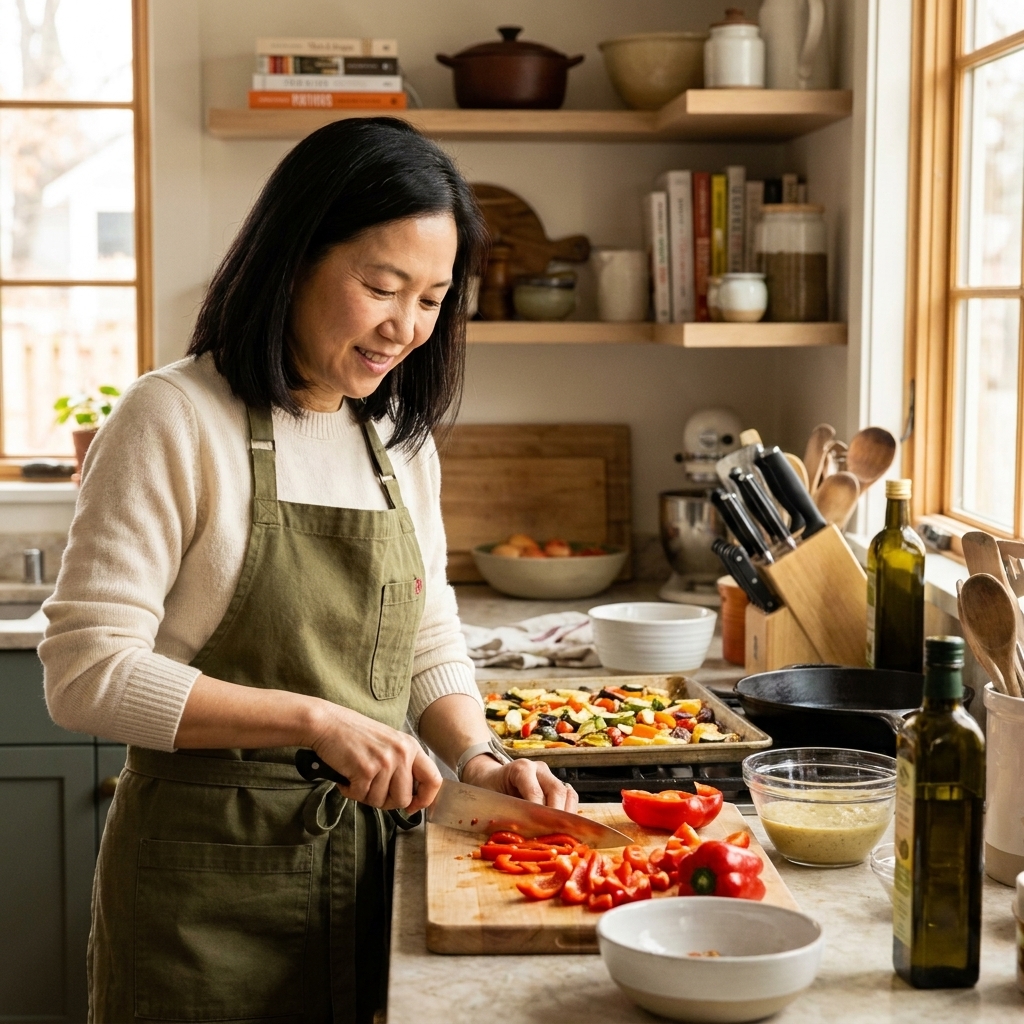
- Do a 2-minute prep after grocery day: wash greens, chop a pepper, slice carrots. Future you will be so smug.
- Avoid freezer burn: press out extra air, seal bags tight, and keep frozen veg toward the back of the freezer where temps are most stable.
- Use within a reasonable window: frozen veggies last a long time, but for best flavor and texture, try to use opened bags within a couple months (and label them if you’re feeling extra responsible).
FAQ
Should I thaw frozen vegetables before cooking?
Usually no. Cooking from frozen helps keep them from turning soft and watery. Exceptions: spinach (thaw and squeeze dry) and veggies you want to drain well before mixing into something like a casserole filling.
Can I roast frozen vegetables?
Yes. Roast hot (425°F works well), use a little oil, and spread them out so they don’t steam. Expect less deep browning than fresh, but you can absolutely get tasty caramelized edges.
Are frozen veggies already cooked?
Many frozen vegetables are blanched briefly before freezing, but it varies by product. Either way, they’re not “fully cooked” to dinner-ready. They still need heating through, and they taste best when you give them some high-heat time for color and flavor.
What about sodium in frozen vegetables?
Plain frozen vegetables are typically just vegetables. Sauced, seasoned, or “steam in bag with cheese sauce” options can be high in sodium. If sodium is a concern, check the label and choose unseasoned bags.
The bottom line
Fresh veggies are wonderful when you want crunch, brightness, and that just-prepped feel. Frozen veggies are your weeknight safety net that still delivers real nutrition and real flavor. When you combine them on purpose, you get dinners that are fast, colorful, and honestly a little calming to make.
My rule in the Sizzlea kitchen: keep a few frozen favorites on standby, buy a small rotation of fresh produce you’ll actually use, and let dinner be easy enough that you can enjoy it.