A friendly, no-fuss guide to using fresh and frozen vegetables for faster meals, better flavor, and less waste, plus quick pairings and cooking shortcuts.
recipes
Updated September 21, 2026
7 Genius Ways to Sneak Vegetables into Kid-Friendly Dinners

Maya Chen
Maya Chen is a passionate home cook, recipe developer, and mother of two who believes that great food doesn't have to be complicated. Drawing from her multicultural upbringing and time spent in professional test kitchens, she creates approachable, flavor-packed recipes designed for real life.
Sizzlea
recipes
If you have ever tried to serve a beautiful plate of roasted broccoli to a tiny food critic who only wants “the beige stuff,” welcome. You are in the right kitchen.
The goal here is not to trick our kids forever. It is to keep dinners peaceful while we build familiarity with veggies in a low-pressure way. These are my favorite real-life methods from years of test-kitchen tinkering and weeknight survival cooking, with specific swaps and ratios so you can actually use them tonight.
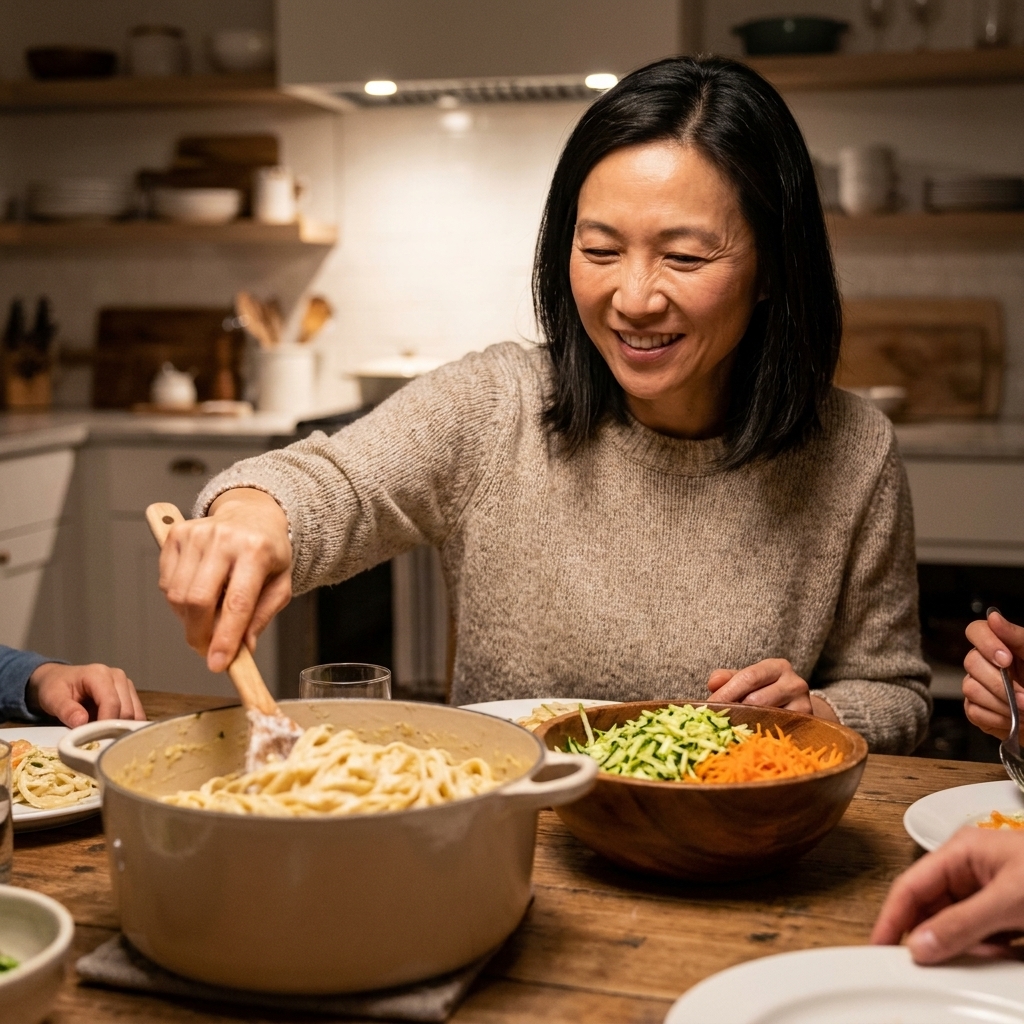
1) Puree veggies into sauces
If your dinner includes sauce, you have a built-in vegetable delivery system. The trick is to puree veggies until completely smooth, then stir them into something already flavorful: marinara, seasoned taco filling, curry, sloppy joe sauce, even queso.
Best veggies for pureeing
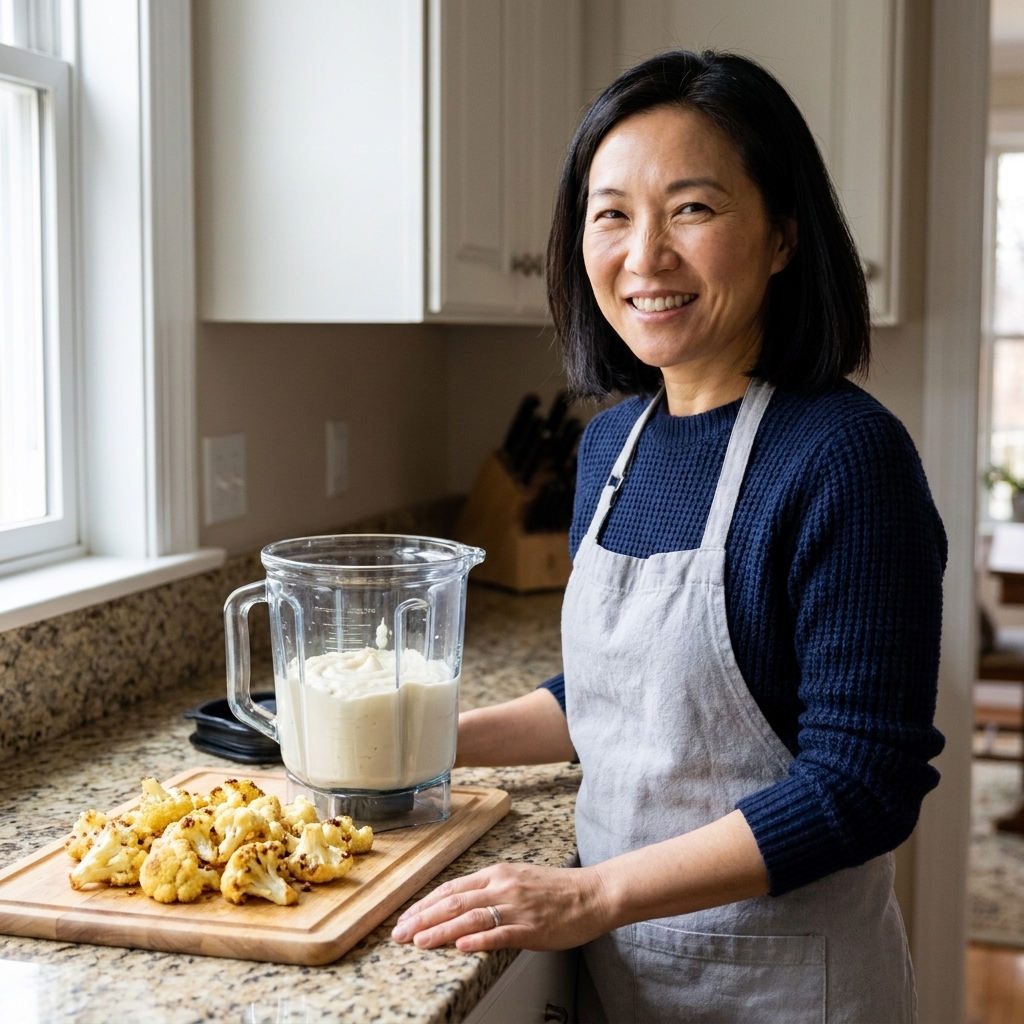
- Cauliflower for creamy sauces (mild, disappears easily)
- Carrots for tomato sauces (adds sweetness, boosts color)
- Zucchini for red sauce and meat sauces (neutral, but cook off the water)
- Butternut squash or sweet potato for mac and cheese (naturally creamy)
- Spinach for darker sauces or pesto vibes (stronger flavor, start small)
Easy ratios that work
- Tomato sauce: add 1 to 2 cups veggie puree per 24 oz jar of marinara.
- Cheese sauce: add 3/4 to 1 cup cauliflower or squash puree per 2 cups cheese sauce.
- Taco filling: stir in 1/2 cup very smooth puree per 1 lb ground meat.
Maya tip
Roast your veggies first when you can. Roasting helps drive off moisture and concentrate flavor, which means your sauce stays thicker and tastes more like itself. (Pureed veggies can still loosen things a bit, so simmer the finished sauce uncovered for a few minutes if needed.)
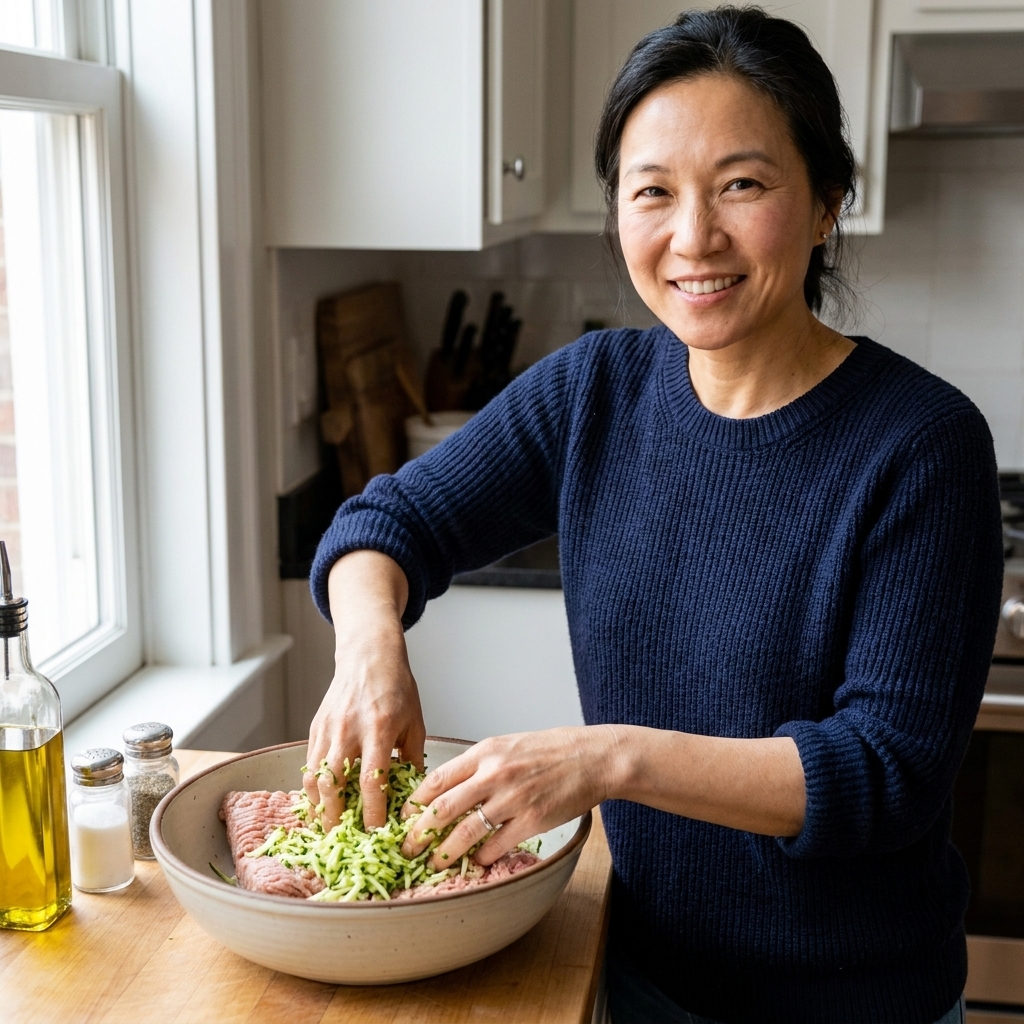
2) Grate veggies into ground meat
Finely grated vegetables practically melt into ground meat mixtures, keeping them tender and quietly adding nutrients. The key is using the right veg and managing moisture so you do not end up with soggy meatballs.
Where this shines
- Meatballs and meatloaf: grated zucchini or carrot = tender and moist.
- Turkey burgers: grated mushrooms or zucchini help prevent dryness.
- Taco filling: grated zucchini cooks down fast and blends into the crumble.
- Homemade nuggets: add grated carrot or cauliflower rice to the mixture.
How much to add
- Start with 1/2 cup finely grated veg per 1 lb ground meat.
- For adventurous nights, you can push to 1 cup per 1 lb, especially with zucchini or mushrooms, as long as you cook off the moisture.
Important step (do not skip)
Squeeze watery veggies. If you use zucchini, grate it, then wring it out in a clean towel or paper towels. For mushrooms, saute first to cook out water and concentrate flavor. This keeps meatballs from turning soft or weepy.
3) Blend soups into sauces
This is one of my most reliable weeknight moves: make a quick blended soup, then use it as a sauce for pasta, rice, or chicken. Kids think it is “creamy orange sauce” or “green sauce” and you did not have to sell a salad.
Try these combinations
- Carrot + red lentil soup, blended smooth, tossed with pasta and parmesan.
- Broccoli + potato soup, blended, used as a base for cheesy rice.
- Butternut squash soup, blended, spooned over chicken and couscous.
Make it kid-friendly fast
- Blend until silky. Any little bits trigger suspicion.
- Add fat and salt thoughtfully: butter, olive oil, cheese, or a splash of cream makes veggie flavors taste cozy, not “healthy.”
- If it tastes flat, add a squeeze of lemon or a pinch of garlic powder.
4) Half-and-half swaps
You do not have to go full cauliflower-crust-everything. Half-and-half swaps are the sweet spot: enough vegetables to matter, not enough to cause a dinner rebellion.
Easy swaps that hold up
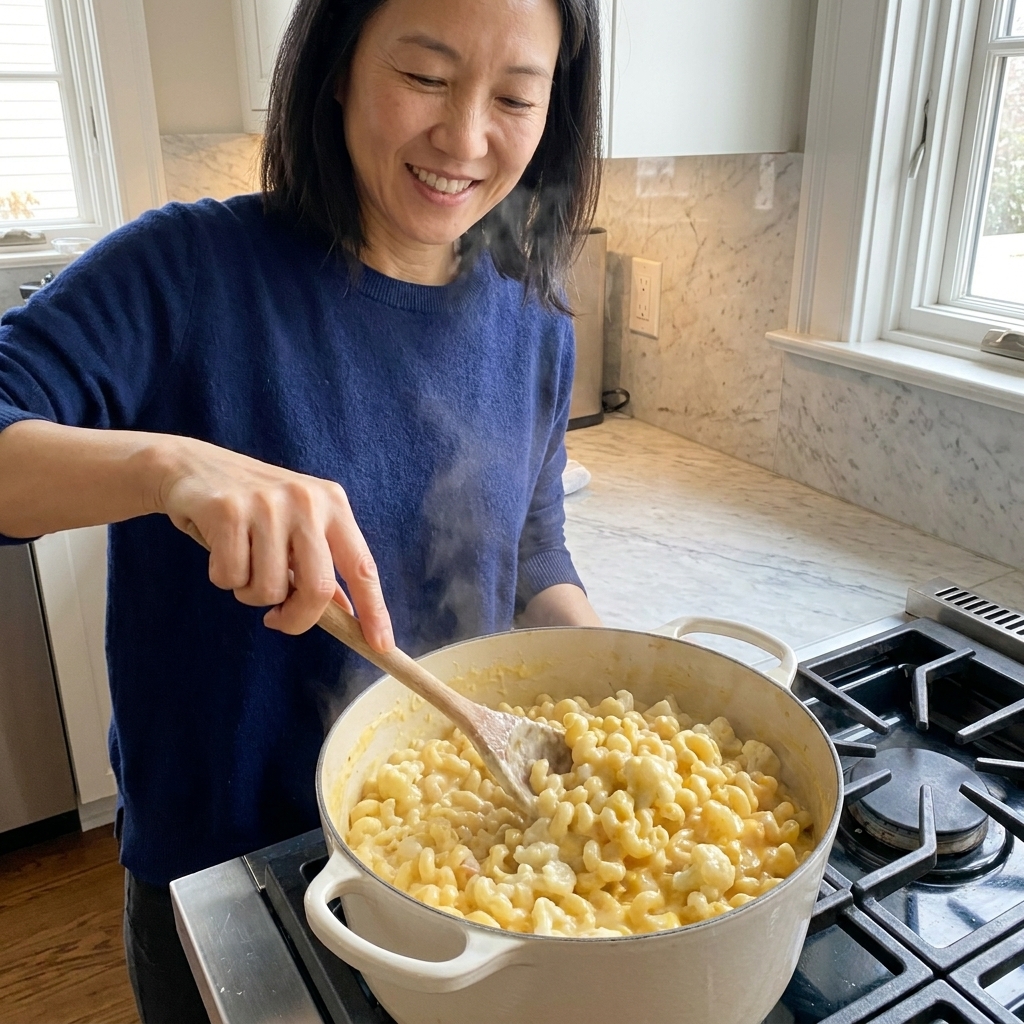
- Mac and cheese: swap half the pasta for small cauliflower florets or steamed butternut cubes. Coat in the same cheese sauce.
- Mashed potatoes: do 50% potatoes + 50% cauliflower. Mash with butter, salt, and a little sour cream.
- Fried rice: do half rice + half cauliflower rice. Use a hot pan and cook quickly to avoid sogginess.
- Quesadillas: do half cheese + half finely chopped spinach (or riced broccoli) and keep tortillas crisp.
Maya tip
If your kid is texture-sensitive, choose vegetables that match the dish. Cauliflower in mac and cheese works because it is soft like pasta. Crunchy veg in a creamy dish is where suspicion lives.
5) Veg-boosted coatings
Anything breaded is basically a vehicle for good things. You can tuck vegetables into the coating where kids expect a little texture anyway.
Smart coating ideas
- Cracker crumbs + powdered freeze-dried veggies (like spinach or carrots). Many grocery stores carry freeze-dried veggie snacks you can blitz into dust.
- Panko + grated parmesan + very finely minced broccoli (think parsley-level flecks). Broccoli stems are great here because they are pale and mild.
- Breadcrumbs + shredded zucchini inside meatballs or patties (squeeze first).
Where to use them
- Baked chicken tenders
- Fish sticks
- Meatballs
- Air fryer nuggets
Keep the veg bits tiny, toast the coating well, and suddenly it reads as “crunch” instead of “vegetable.”
6) Bake veggies into favorites
Weekend bakes are where my inner grandma comes out. If I am already making pancakes, I am absolutely adding a little grated zucchini and calling it “extra fluffy.”
Go-to add-ins (and how much)
- Zucchini: 1 cup finely grated per batch of muffins or quick bread. Squeeze out moisture first.
- Carrot: 3/4 to 1 cup grated per batch of muffins or pancakes.
- Pumpkin or sweet potato puree: 1/2 to 1 cup per batch, reduce other liquids slightly.
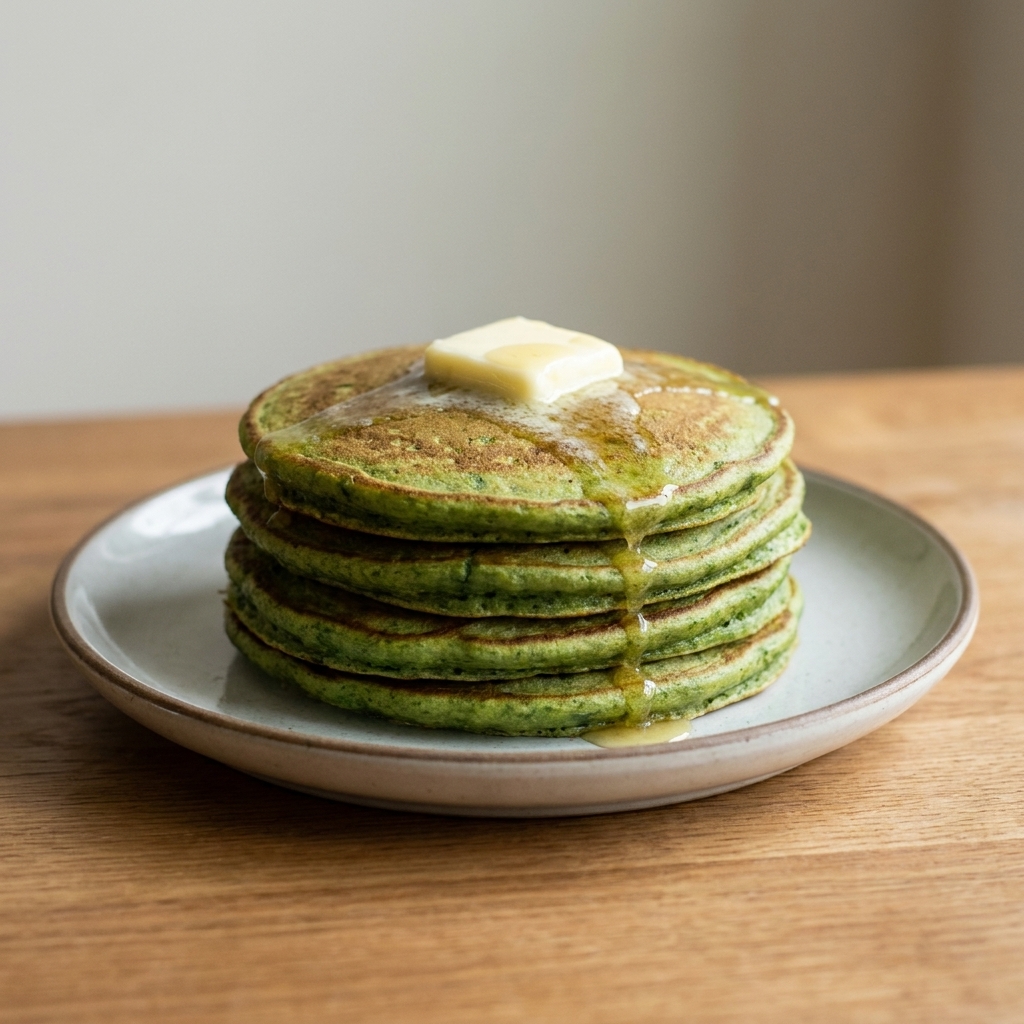
- Spinach: 1 to 2 cups fresh spinach blended with milk for green pancakes or waffles. The flavor is mild, but pair it with banana and vanilla if your crew is sensitive.
Flavor helpers that work
- Vanilla + cinnamon
- Mini chocolate chips
- Peanut butter (skip if you need nut-free)
- Banana
7) Freezer veggie starter kits
This is the method that saves you on the nights when everyone is hungry and you have exactly 18 minutes of patience left. Prep vegetables once, then use them like pantry staples.
What to prep
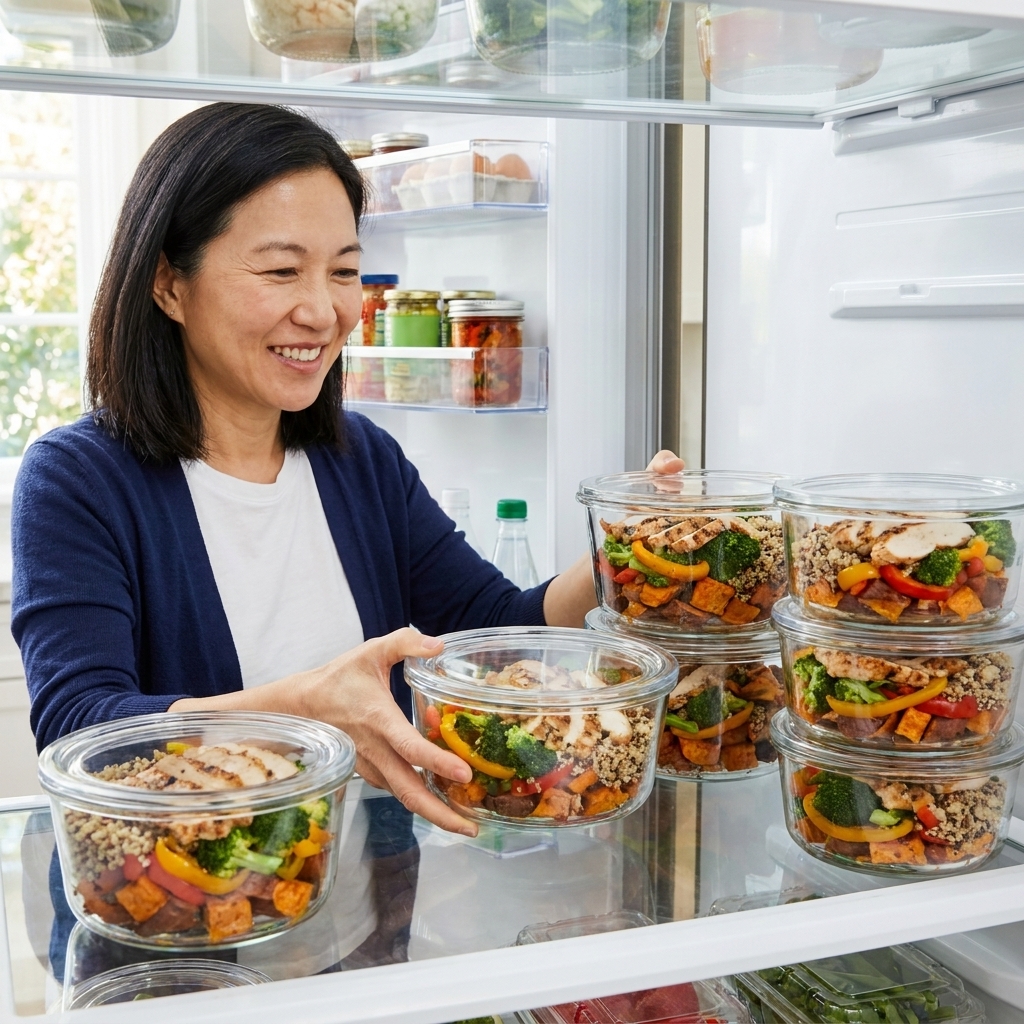
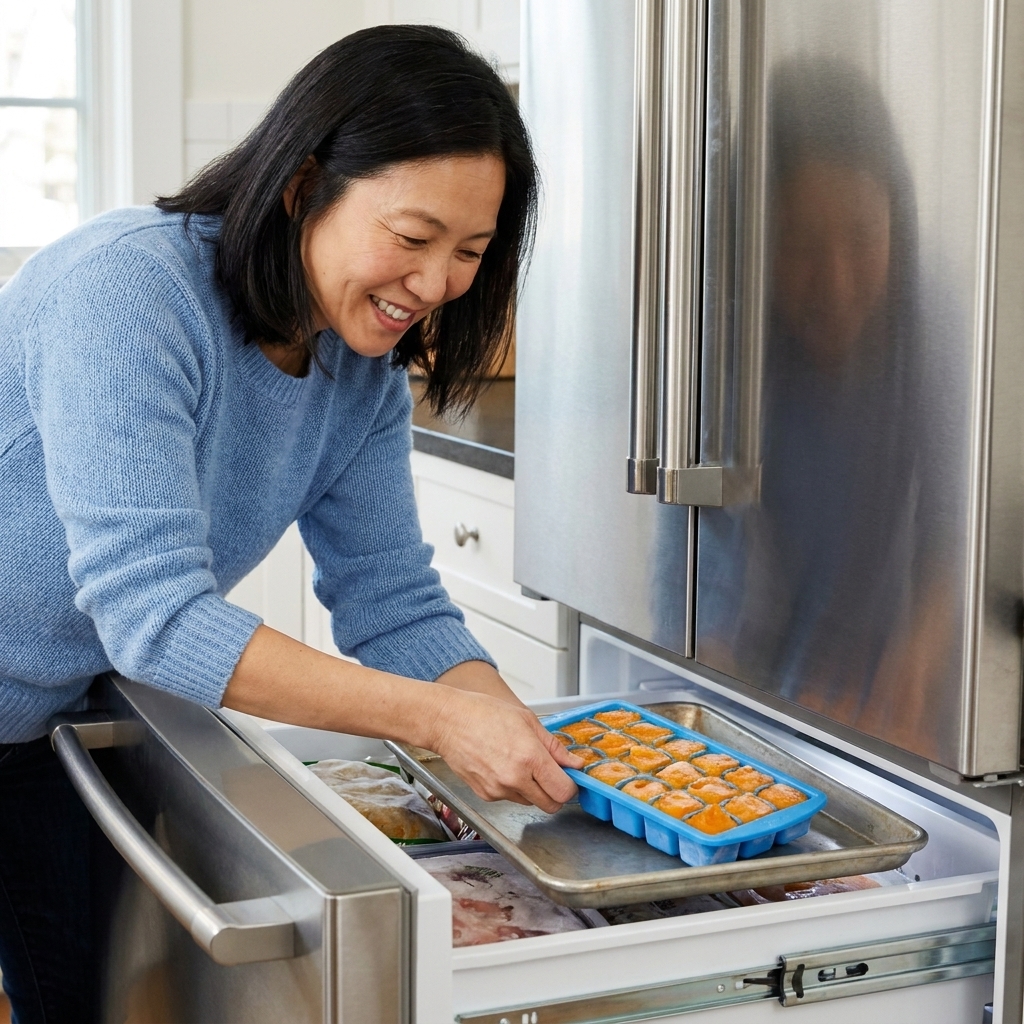
- Veggie puree cubes: roast or steam carrots, cauliflower, squash, or sweet potato. Blend smooth and freeze in ice cube trays.
- Grated veggie bags: freeze squeezed grated zucchini or carrot in 1/2-cup portions.
- Riced veg: cauliflower rice, broccoli rice, or finely chopped mushrooms in 1-cup bags.
How to use
- Drop puree cubes into simmering pasta sauce.
- Stir grated veg into browning ground meat.
- Add riced veg to a hot pan and cook uncovered to drive off moisture, then fold into rice, quinoa, or couscous.
Food safety and sanity notes: cool purees completely before freezing, label and date your bags, and aim to use them within 2 to 3 months for best quality. If you cannot, welcome to my messy freezer. It still works.
Quick fixes
“My sauce got watery.”
Zucchini and spinach are the usual suspects. Simmer the puree in a saucepan for 5 to 10 minutes before adding dairy or cheese, or roast the veg first to reduce moisture.
“The color gave it away.”
Keep spinach small and pair it with familiar green foods like pesto pasta. For orange, lean into it with cheddar and call it “cheesy golden sauce.”
“Now it tastes too sweet.”
Carrots and squash can sweeten sauces. Balance with salt, a little vinegar or lemon, and something savory like parmesan, soy sauce, or a pinch of smoked paprika.
“Texture is the issue.”
Blend longer than you think, grate finer than you think, and when in doubt, strain puree through a fine mesh sieve for ultra-smooth results.
“It tastes bland now.”
When you add vegetables, you add volume, so you often need to bump seasoning. Add a pinch more salt, a splash of acid (lemon or vinegar), and one strong helper like garlic powder, parmesan, soy sauce, or taco seasoning.
Keep it positive
I am all for making vegetables easier to eat, but I also love a no-pressure exposure strategy. You can keep peace and still build curiosity.
- Serve one visible veggie on the side, even if no one eats it. Think cucumber coins, baby carrots, or peas.
- Let kids help blend or grate. Ownership helps.
- Name it for what it is sometimes. “These are carrot meatballs” said cheerfully, not like a warning.
FAQ
What vegetables are easiest to hide?
Cauliflower, zucchini, carrots, and butternut squash are the most forgiving. They blend smoothly and play well with common kid-friendly flavors like cheese, tomato, and mild seasonings.
Do I need a high-speed blender?
It helps, but you can absolutely do this with a regular blender, food processor, or immersion blender. The key is cooking the vegetables until very soft, then blending longer than you think you need to.
How do I add veggies to mac and cheese without ruining it?
Use cauliflower or butternut squash puree. Start with 3/4 cup puree stirred into your cheese sauce, then adjust. Keep the sauce well-seasoned and use sharp cheddar for flavor payoff.
Can I do this for picky eaters with texture sensitivities?
Yes. Focus on purees and very fine grating, and avoid visible flecks. Smooth sauces, blended soups turned into pasta sauce, and mashed potato-cauliflower mixes are usually the easiest wins.
Any allergy-friendly swaps?
For dairy-free, use olive oil, dairy-free cheese, or a cashew-free creamy base like blended cauliflower and broth. For gluten-free, use gluten-free panko or crushed gluten-free crackers in coatings. For nut-free baking, skip nut butters and lean on banana, cinnamon, and chocolate chips.