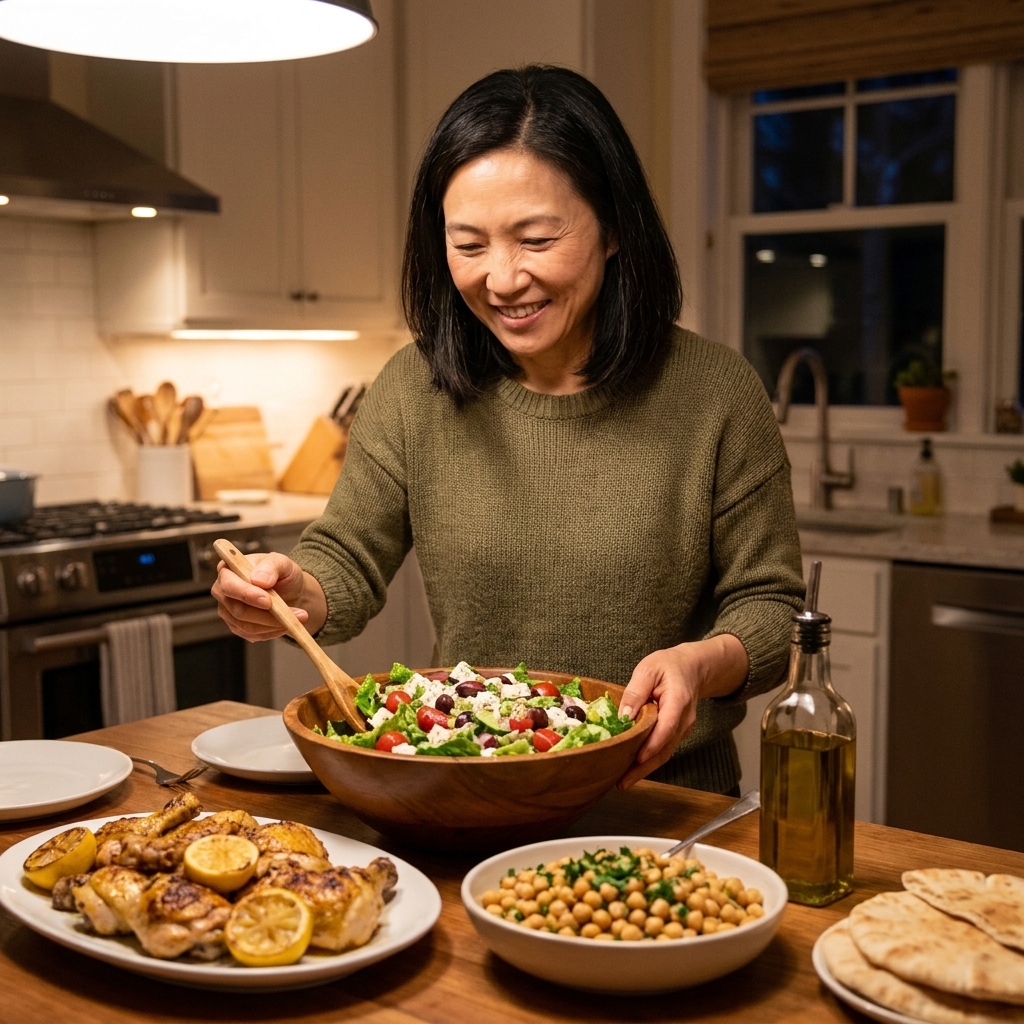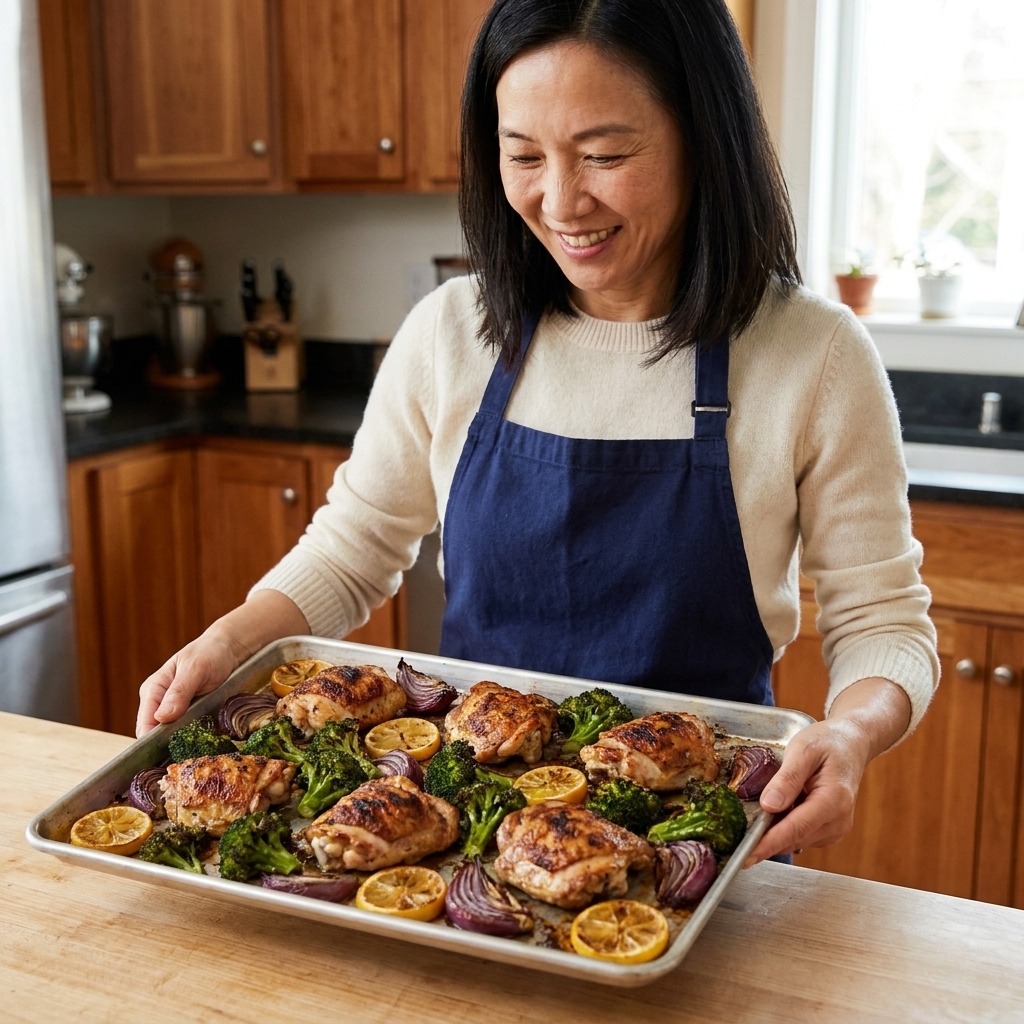
Maximum flavor, minimal cleanup. Learn the sheet pan dinner formula, veggie timing, quick marinades, and simple tricks for golden, weeknight meals.
recipes
Updated September 21, 2026
Olive Oil vs. Avocado Oil for High-Heat Roasting

Maya Chen
Maya Chen is a passionate home cook, recipe developer, and mother of two who believes that great food doesn't have to be complicated. Drawing from her multicultural upbringing and time spent in professional test kitchens, she creates approachable, flavor-packed recipes designed for real life.
Sizzlea
recipes
If you have ever stood in front of your stove with the oven preheating and thought, “Wait. Should I be using olive oil or avocado oil for this?” you are in very good company. I have done this mid-prep, hands a little oily, kids asking what is for dinner, and dinner happening right now.
Both oils can be part of a healthy kitchen. The best choice depends on how hot you are roasting, what you are roasting, and the flavor you want. Let’s make it simple.
Quick note: “Olive oil” can mean extra-virgin or refined (often labeled light). That one detail matters a lot for both flavor and high-heat performance.
The quick answer
For high-heat roasting (about 425°F to 475°F): avocado oil is usually the easiest, least fussy choice because it tends to have a higher smoke point and a very neutral flavor.
For moderate roasting (about 375°F to 425°F): olive oil is fantastic, especially if you want that classic, savory, slightly peppery richness that makes vegetables taste like they came from a cozy trattoria.
And yes, you can roast with either one. The “healthiest” option is often the one you will actually use consistently and enjoy.
What “healthier” means
When people ask which oil is healthier, they usually mean some mix of:
- Fat type: how much monounsaturated vs. polyunsaturated fat it contains
- How it handles heat: whether it holds up well when you roast hot
- Processing: extra-virgin and minimally refined oils tend to come with more natural compounds
- How it fits your cooking: if you love the taste, you will use it for real food at home, and that is a win
Both olive oil and avocado oil are rich in monounsaturated fats, which are widely considered heart-friendly when they replace more saturated fats in the diet.
Smoke point and heat
Smoke point is the temperature where an oil starts to visibly smoke, most often noticed in a hot pan or when drips hit a sheet pan. In the oven, it can be subtler until you get that sharp, smoky smell.
Once an oil is smoking, it can taste bitter and it is beginning to break down more rapidly. (One nuance: smoke point is a practical clue, but it is not a perfect stand-in for total oxidative stability. More on that below.)
One important note: published smoke points vary a lot depending on how the oil was tested, how fresh it is, and what is actually in the bottle. Treat numbers as useful guideposts, not guarantees. If you want to be extra sure, do a quick final fact-check against a couple credible sources for the specific brand and type you buy.
Typical smoke points
- Extra-virgin olive oil: often around 350°F to 410°F depending on quality and free fatty acid content
- Refined (light) olive oil: often around 430°F to 470°F
- Refined avocado oil: often around 480°F to 520°F, but quality and purity matter and some bottles test lower
What this means for your sheet pan: If you roast at 450°F or you use convection (which can run a bit more intense), avocado oil gives you more breathing room before you hit that smoky, acrid zone.
Convection tip: many ovens suggest setting convection about 25°F lower than conventional for similar browning, but follow your oven’s manual and your own results.
Nutrients and benefits
Olive oil (especially extra-virgin)
Extra-virgin olive oil is famous for its natural plant compounds (polyphenols) and antioxidants. It is a big reason olive oil is so closely tied to Mediterranean-style eating patterns.
- Best for: dressings, dips, finishing, sautéing, and moderate-heat roasting
- Flavor: peppery, fruity, sometimes grassy depending on the bottle
- Bonus: those polyphenols bring both flavor and potential health benefits
Avocado oil
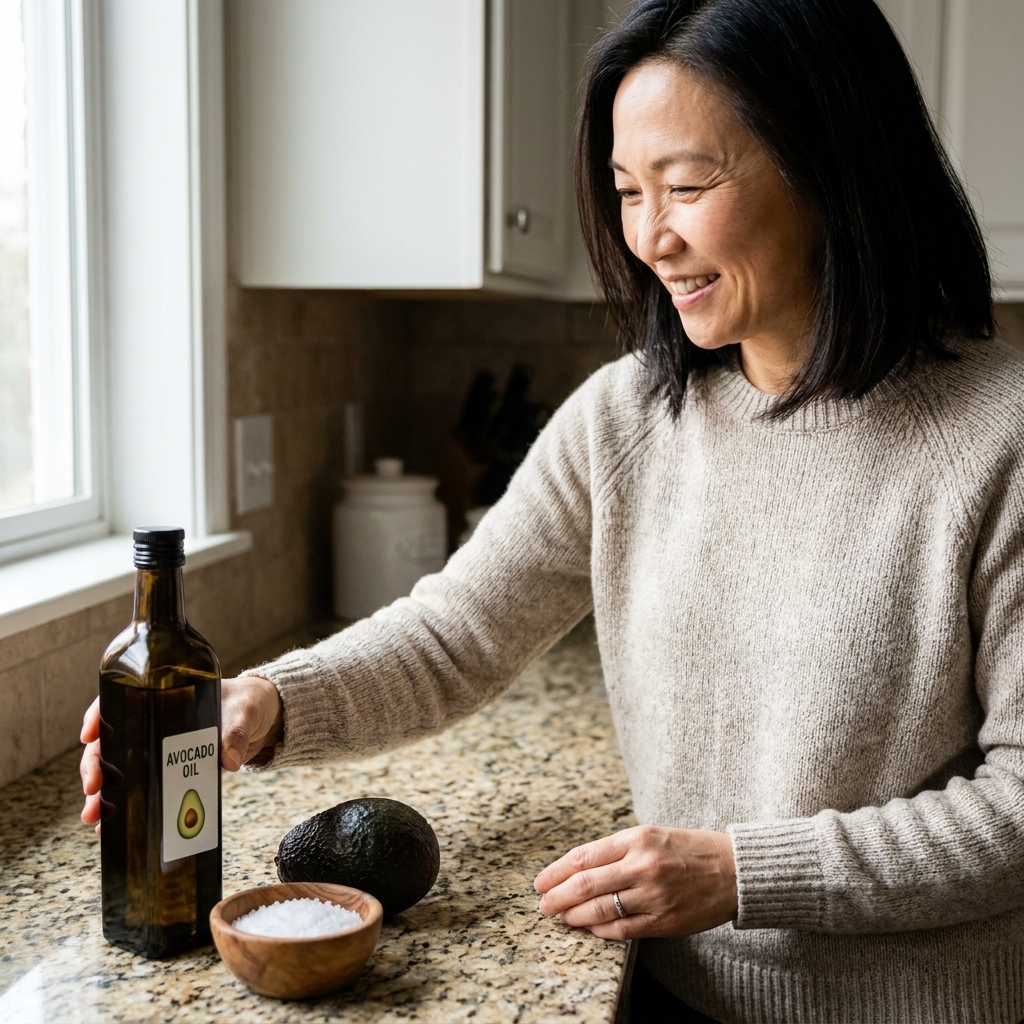
Avocado oil is also high in monounsaturated fats and vitamin E. A lot of avocado oil sold for everyday cooking is refined, which means fewer flavor compounds and typically a higher smoke point.
If you see virgin or unrefined avocado oil, expect more avocado flavor and, often, a lower smoke point than refined.
- Best for: high-heat roasting, searing, grilling, and when you want the food to taste like itself
- Flavor: mild and neutral (especially refined)
- Bonus: it stays calm at high oven temps, so your kitchen stays calmer too
My take as a home cook: If we are talking purely “health,” both can absolutely belong in a balanced kitchen. If we are talking about what is often the most practical choice for very hot roasting, avocado oil usually wins on heat tolerance.
Flavor
This is where the choice gets fun.
Use olive oil for flavor
Olive oil is a seasoning. It brings its own personality to the party. I love it for:
- Roasted tomatoes, zucchini, eggplant, peppers
- Chicken thighs with lemon, garlic, oregano
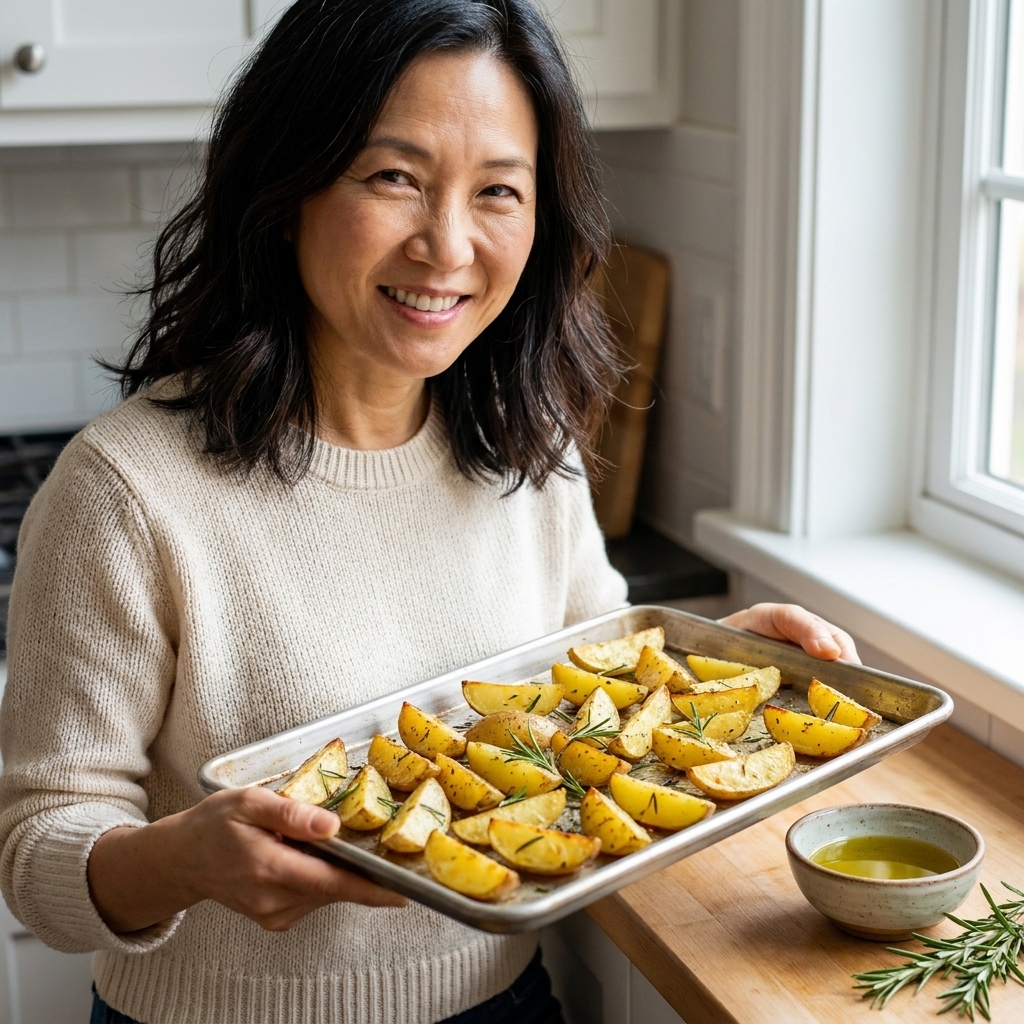
- Potatoes with rosemary and flaky salt
Use avocado oil for neutral
Avocado oil is the quiet helper that lets the spices and ingredients take the spotlight. I reach for it when:
- I am roasting at 450°F for crisp edges
- I am making sheet-pan fajita veggies and want the spices to be the star
- I am roasting broccoli or cauliflower and chasing deep browning without the oil taste changing
So which is healthier for high heat?
If the oven is running hot, a good rule of thumb is choosing the oil that stays stable for your cooking style and does not smoke easily. Smoke point is a practical clue, even though it is not the same thing as total oxidative stability.
- For 425°F to 475°F roasting: Avocado oil is usually the better fit, especially refined.
- For 375°F to 425°F roasting: Extra-virgin olive oil is a great fit, and you get the flavor perks too.
- If you only want one oil: Pick the one you like and will use. Many families keep EVOO for everyday cooking and add avocado oil if they roast hot often.
Also, a gentle reminder: the big health win is roasting more vegetables and cooking more at home. The oil decision is the finishing touch, not the whole story.
Best oil by food
Vegetables
- Sweet potatoes, carrots, Brussels sprouts at 400°F: olive oil or avocado oil, both great
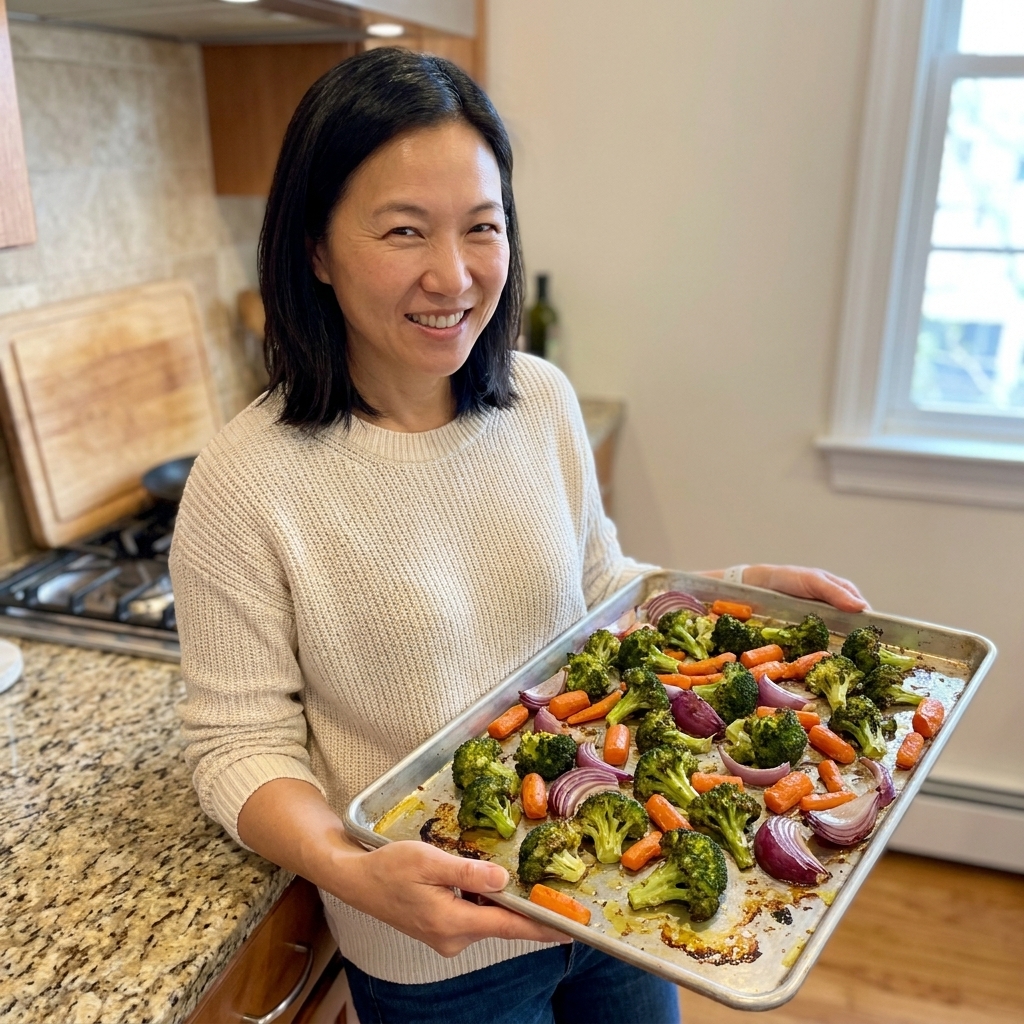
- Broccoli or cauliflower at 450°F for deep browning: avocado oil
- Mediterranean vegetables (tomatoes, eggplant, peppers): olive oil for flavor
Chicken and fish
- Sheet-pan chicken at 425°F: olive oil for herby, lemony vibes; avocado oil if you push hotter
- Salmon at 400°F: either works, but olive oil tastes especially lovely with garlic and dill
Nuts and seeds
Nuts can go from toasted to bitter fast. I like avocado oil for higher heat, but honestly you can use olive oil too if you keep the temp moderate and watch closely.
Avoid smoke and off flavors
- Do not preheat an empty sheet pan with oil on it at very high temps. Add oil to the food, then roast.
- Use enough oil to coat. Too little oil can lead to scorching in spots.
- Watch sugary marinades. Honey and some sauces burn before the oil does.
- Replace old oil. Rancid oil tastes flat or crayon-like. It is mainly a quality and flavor problem (and a sign of oxidation), not usually an immediate safety emergency. If it smells off, it is off.
- Consider refined vs. extra-virgin. If you roast hot all the time, a refined oil can be more forgiving.
Buying and storage
Olive oil
- Look for harvest or best-by dates and buy in a size you will use within a few months for peak flavor.
- Choose dark glass or tins when possible to protect flavor.
- Store away from heat and light, not next to the stove if you can help it.
Avocado oil
- If you want high-heat performance, choose refined avocado oil.
- Aim for a mild smell and clean taste. If it tastes fishy or stale, skip.
- Store away from light and heat.
- As a rough guide, try to use it within 3 to 6 months after opening for best flavor, sooner if your kitchen runs warm.
FAQ
Can I roast at 450°F with extra-virgin olive oil?
You can, and many people do. It is more likely to smoke depending on the bottle and your oven, especially with convection. If you regularly roast at 450°F and hate the risk of smoky flavor, avocado oil is the calmer choice.
Is “light” olive oil healthier than extra-virgin?
Light olive oil is usually refined. It can have a higher smoke point, but it typically has fewer of the distinctive flavor compounds found in extra-virgin. “Healthier” depends on your goal: high-heat performance leans refined, antioxidant-rich flavor leans extra-virgin.
Which one is better for heart health?
Both are high in monounsaturated fat. Extra-virgin olive oil has the edge for its polyphenols, but avocado oil can still be a very solid choice, especially if it helps you cook more at home and roast more vegetables.
Do I need both?
No. If you love keeping it simple, pick one. If you roast hot often, having avocado oil for high heat and extra-virgin olive oil for flavor is a very practical two-oil setup.
My go-to rule
If the oven is under 425°F, I usually reach for olive oil. It tastes like comfort and it makes weeknight vegetables feel special.
If I crank the oven to 450°F for maximum crisp and browning, I grab avocado oil. Less smoke, less stress, same delicious sheet-pan magic.
And if you only have one on hand tonight, use it. The best roasting oil is the one that gets dinner on the table.