A friendly, step-by-step guide to making traditional Italian-style fresh pasta at home: flour choices, dough feel, resting, rolling by hand or machine, shapi...
recipes
Updated September 21, 2026
Global Dumplings: Pierogi to Gyoza

Maya Chen
Maya Chen is a passionate home cook, recipe developer, and mother of two who believes that great food doesn't have to be complicated. Drawing from her multicultural upbringing and time spent in professional test kitchens, she creates approachable, flavor-packed recipes designed for real life.
Sizzlea
recipes
Some nights, dinner needs to feel like a hug. Other nights, you want a little kitchen project that makes your whole house smell amazing. Dumplings do both. They are tiny, joyful packets of dough and filling that show up in many cuisines around the world, each one shaped by local ingredients and home cooking habits.
This guide is your globe-trotting, flour-on-your-shirt tour of the most beloved dumplings, from pillowy Polish pierogi to crisp-bottomed Japanese gyoza. We will talk doughs, savory fillings, and the cooking techniques that make each style taste like itself. And yes, you will get starter recipes that are totally doable on a weeknight.
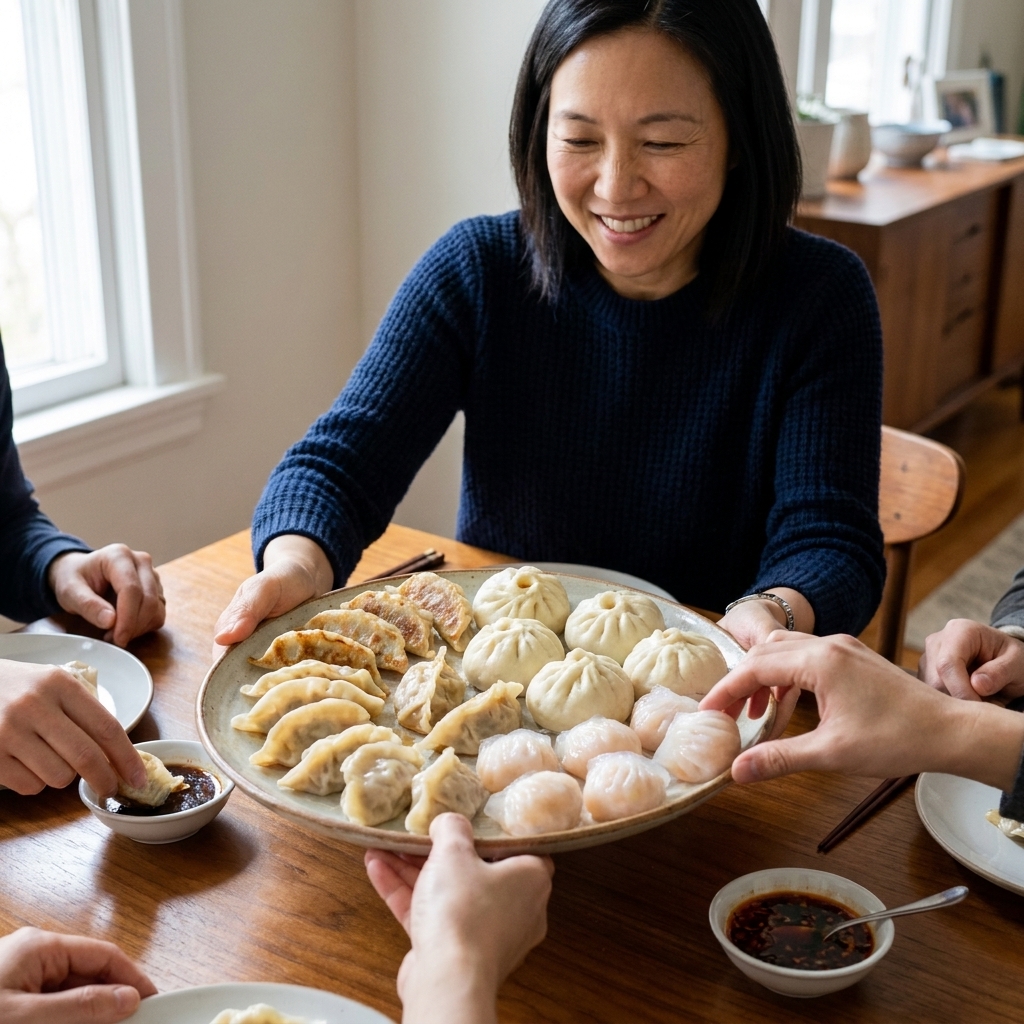
What counts as a dumpling
If you ask ten grandmas, you will get ten delicious answers. For our purposes, a dumpling is a small portion of dough that is filled or unfilled, then boiled, steamed, pan-fried, baked, or simmered. The magic is in the contrast: tender dough, and when it is filled, a savory center, plus a cooking method that adds either crispness, silkiness, or chew.
One thing I want you to keep in your back pocket: dumplings are forgiving. The first one might look like a crumpled little purse. The tenth will be cute. The twentieth will be confident.
Quick dumpling anatomy: dough, filling, fold, cook
Dough
- Wheat flour doughs (gyoza, jiaozi, momo, pelmeni) range from thin and snappy to thicker and tender.
- Enriched doughs (pierogi) often include egg or dairy for softness.
- Yeasted doughs (baozi) are fluffy and bread-like.
- Starch-based doughs (har gow and other dim sum styles) can be translucent and bouncy.
Filling
Usually a balance of fat + salt + aromatics + moisture control. That last one matters. Too wet and your dumplings burst. Too dry and they eat like sawdust. We will fix that with a few simple tricks.
Fold
Folds are not just for looks. They control thickness at the seam and help the dumpling cook evenly.
Cooking method
Boiling gives tenderness, steaming gives delicacy, pan-frying gives crunch, baking gives browning, and simmering in soup gives comfort.
Polish Pierogi
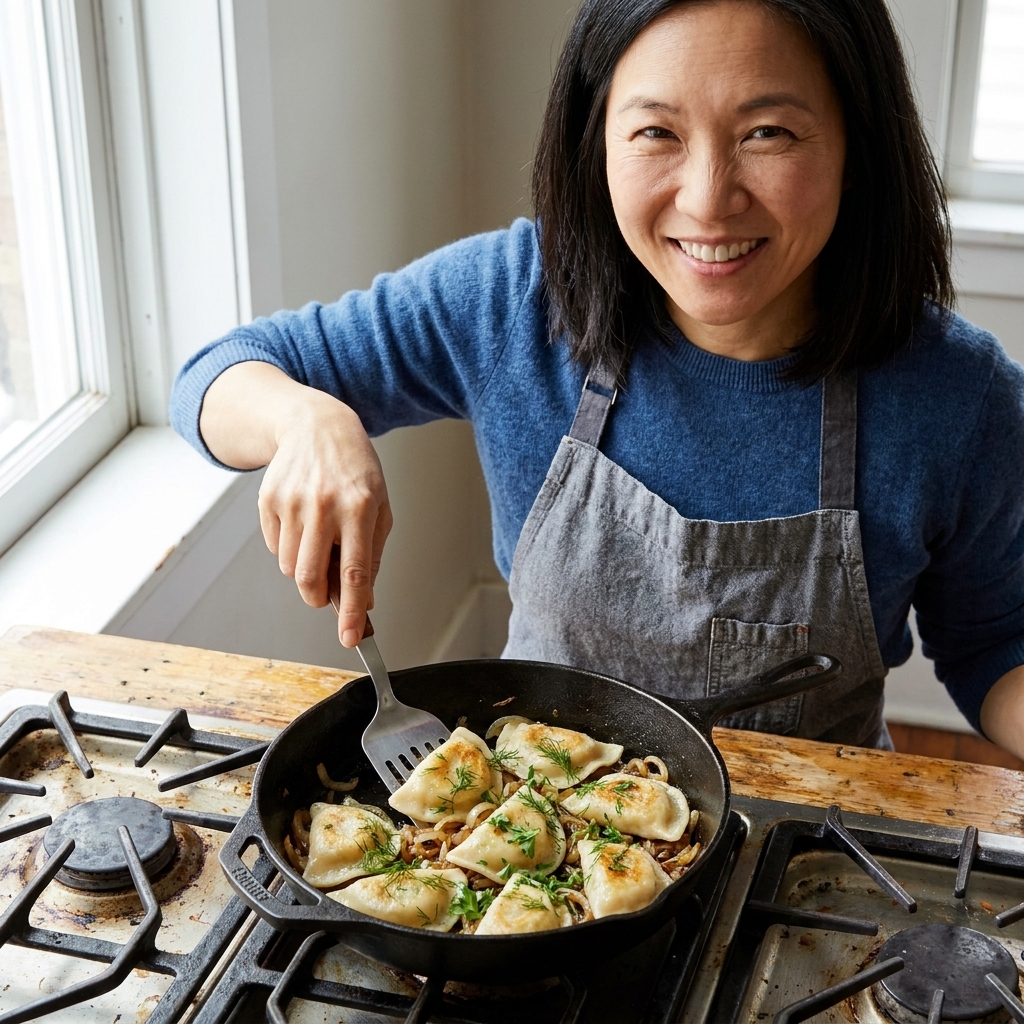
Pierogi are the dumplings I make when I want the whole table to go quiet in the best way. They are tender, a little chewy, and usually boiled then butter-fried until the edges turn golden.
Dough vibe
Soft and pliable. Pierogi dough is commonly flour plus warm water, often with egg, and sometimes sour cream or oil for tenderness.
Classic savory fillings
- Ruskie: potato + farmer’s cheese (or dry curd cottage cheese) + sautéed onion
- Sauerkraut and mushroom: earthy, tangy, super cozy
- Meat: usually leftover braised or roasted meat mixed with onion
Signature cooking
Boil until they float, then give them a quick pan-fry in butter for crisp edges. Finish with onions, sour cream, or both. No one is judging.
Starter recipe: Weeknight pierogi-style skillet (shortcut)
If homemade pierogi are a weekend project for you, here is the weeknight energy: make the filling, then use store-bought wonton wrappers.
- Filling: mash 1 pound cooked potatoes with 1 cup farmer’s cheese (or drained ricotta), 1 sautéed onion, salt, pepper.
- Wrap: place 1 tablespoon filling in a wonton wrapper, moisten edges, fold into a half moon, press to seal.
- Cook: boil 2 to 3 minutes, then pan-fry in butter until golden.
Is it traditional? No. Is it delicious and extremely satisfying? Yes.
Japanese Gyoza
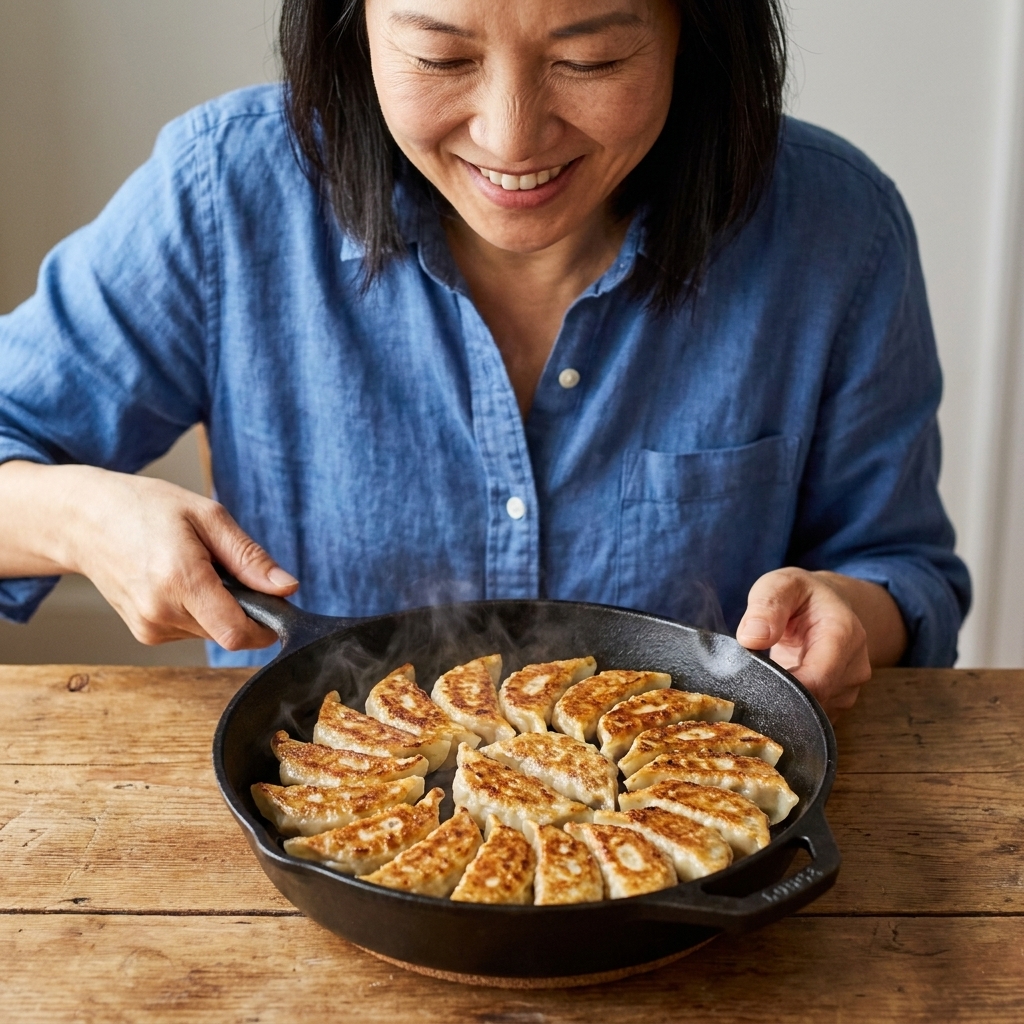
Gyoza are the dumplings I make when I want dinner fast but still crave that crispy-bottom drama. The hallmark is the pan-fry then steam method that creates a golden crust and a juicy interior.
Dough vibe
Thin wheat wrappers, usually store-bought for everyday cooking in Japan. Homemade wrappers are fun, but I am a realistic mom, so I grab the package most weeks.
Classic savory filling
- Ground pork
- Finely chopped cabbage (salted then squeezed dry)
- Garlic, ginger, scallion
- Soy sauce, sesame oil
Signature cooking
Heat oil in a skillet, place gyoza flat-side down, let them brown, then add water and cover to steam. Uncover to evaporate and re-crisp the bottoms.
My no-soggy gyoza tip
Salt the cabbage for 10 minutes, then squeeze it dry. This is the difference between juicy and watery.
Quick dipping sauce
- 2 tbsp soy sauce
- 2 tbsp rice vinegar
- Chili oil to taste
Chinese Jiaozi
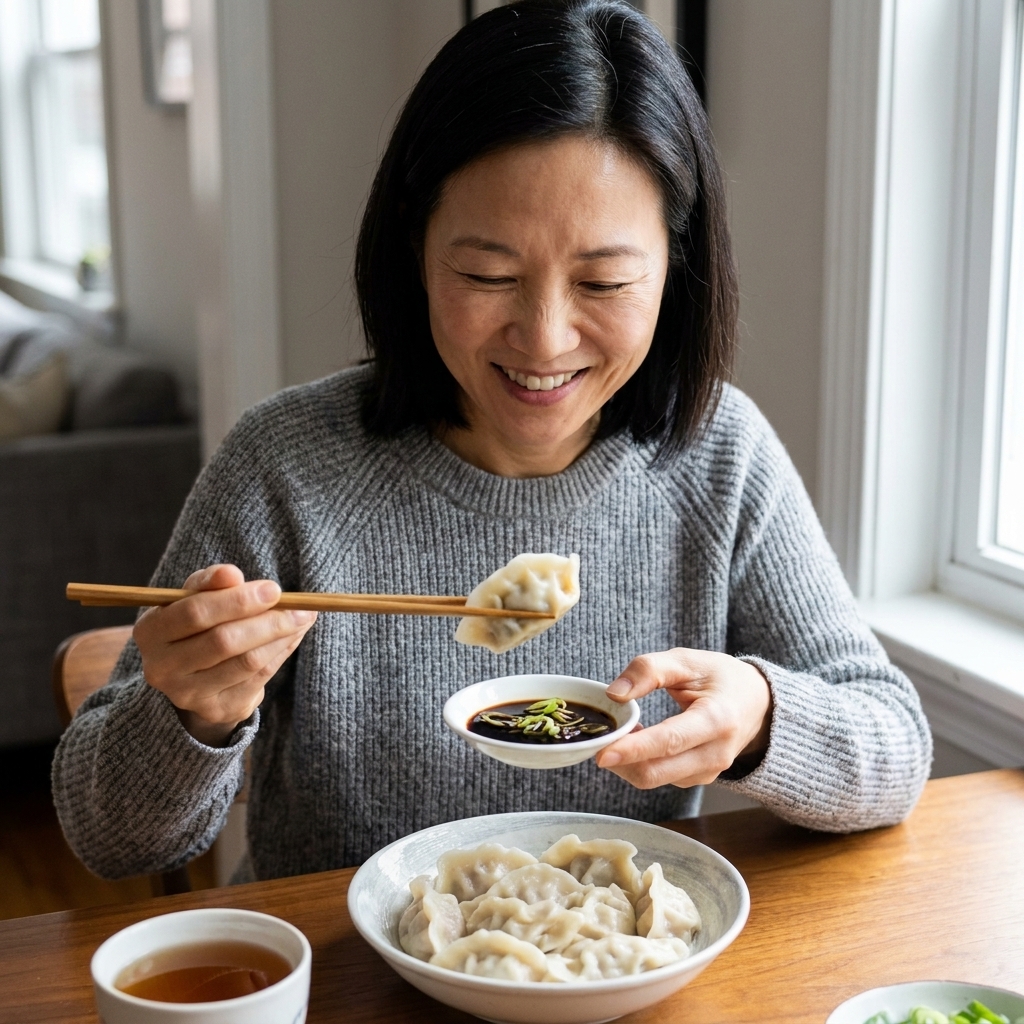
Jiaozi are a foundational Chinese dumpling that influenced neighboring dumpling traditions, and they are made for sharing. You will see them boiled, steamed, or pan-fried, with endless regional fillings.
Dough vibe
Wheat flour and water, typically a bit thicker than gyoza wrappers, which makes them sturdy for boiling.
Common savory fillings
- Pork and napa cabbage
- Pork and chive
- Shrimp and chive
- Egg and chive (simple and so good)
Signature cooking
Boiled jiaozi have a tender chew and feel extra homey. Pan-fried versions (guotie, or potstickers) bring the crunch.
Flavor-building tip
For meat fillings, stir in your seasonings vigorously in one direction for 30 seconds to 1 minute. It helps the mixture bind and stay juicy instead of crumbling.
Tibetan and Nepali Momo
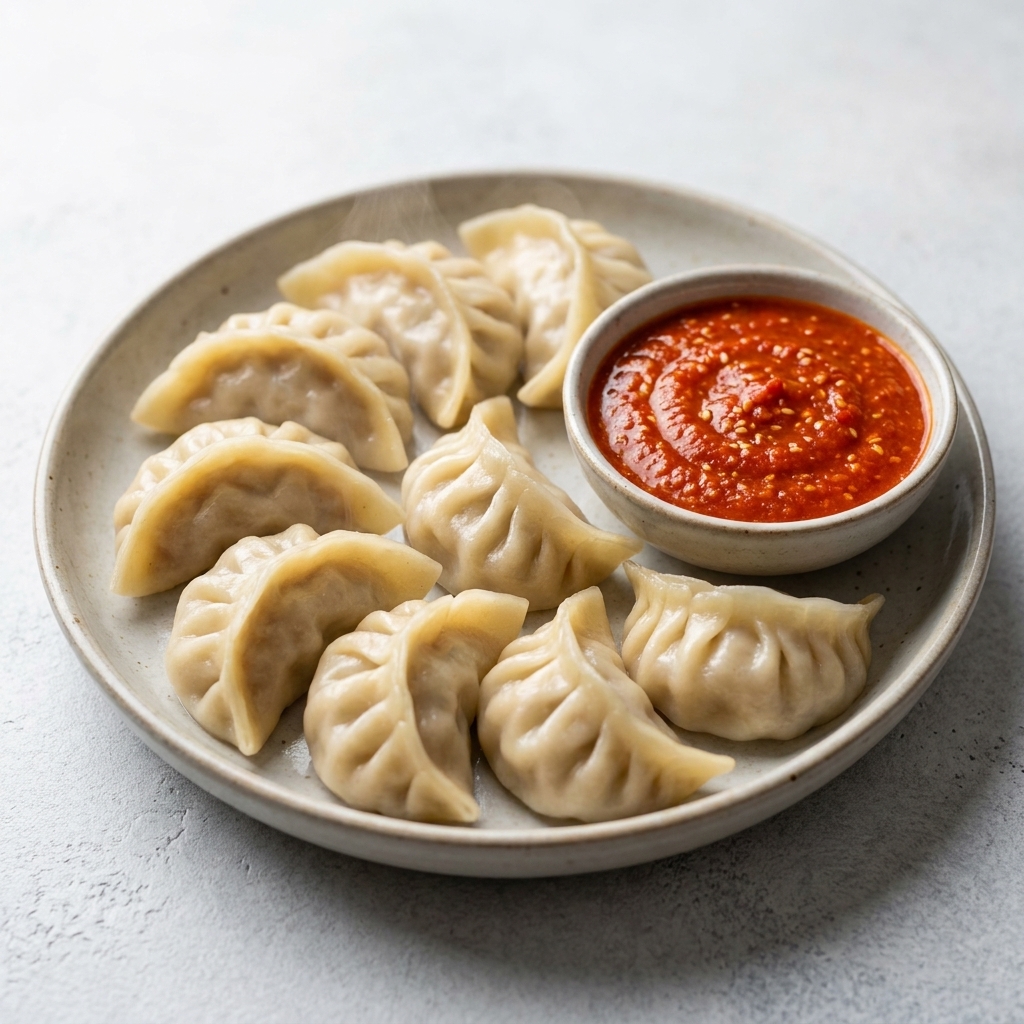
Momo are dumplings with big comfort energy, often steamed and served with a bold, spicy sauce that wakes everything up.
Dough vibe
Simple flour and water dough, rolled thin. The shapes are often round with pleats gathered at the top, like little drawstring purses.
Common savory fillings
- Chicken or buffalo (and outside Nepal, fillings often shift to whatever meat is locally common)
- Cilantro, scallion, ginger, garlic
- Sometimes cabbage or onion for sweetness
Signature cooking
Mostly steamed, sometimes pan-fried or served in soup.
Must-have: spicy tomato sesame sauce (quick version)
Blend 1 cup canned tomatoes, 2 tbsp toasted sesame seeds or tahini, 1 garlic clove, 1 small chili or chili flakes, salt, and a squeeze of lemon. Taste and adjust until you cannot stop dipping.
Russian Pelmeni
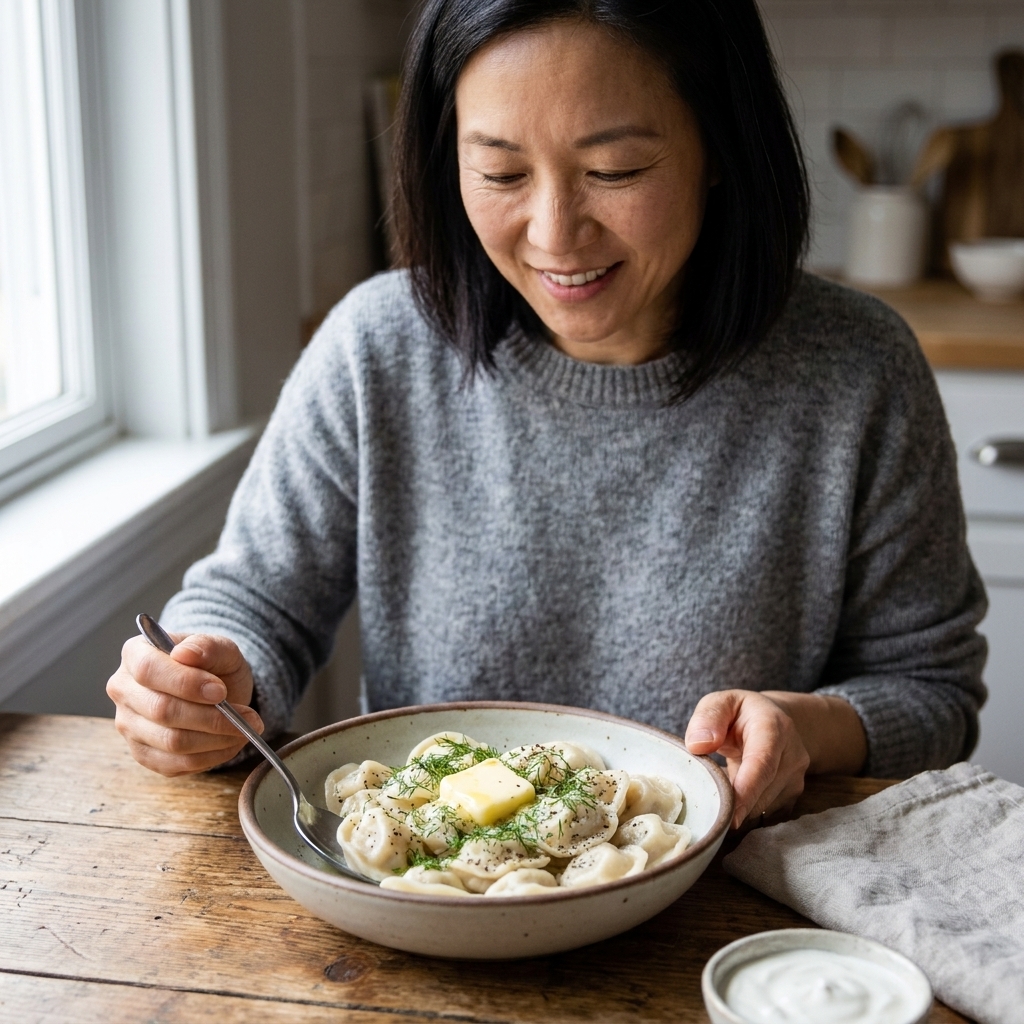
Pelmeni are small, sturdy dumplings built for cold weather and hungry people. They are often made in big batches and frozen, which makes them the original meal prep hero.
Dough vibe
Flour, water, salt, sometimes egg. Rolled thin, but strong enough to hold up to boiling.
Classic savory filling
Ground meat mix, often beef and pork (or beef and lamb) with onion, garlic, salt, pepper. Some families add a splash of ice water or broth for juiciness.
Signature cooking
Boil and serve with butter, sour cream, vinegar, mustard, or broth. Dill is basically non-negotiable in my house.
Italian Ravioli (yes, it counts)
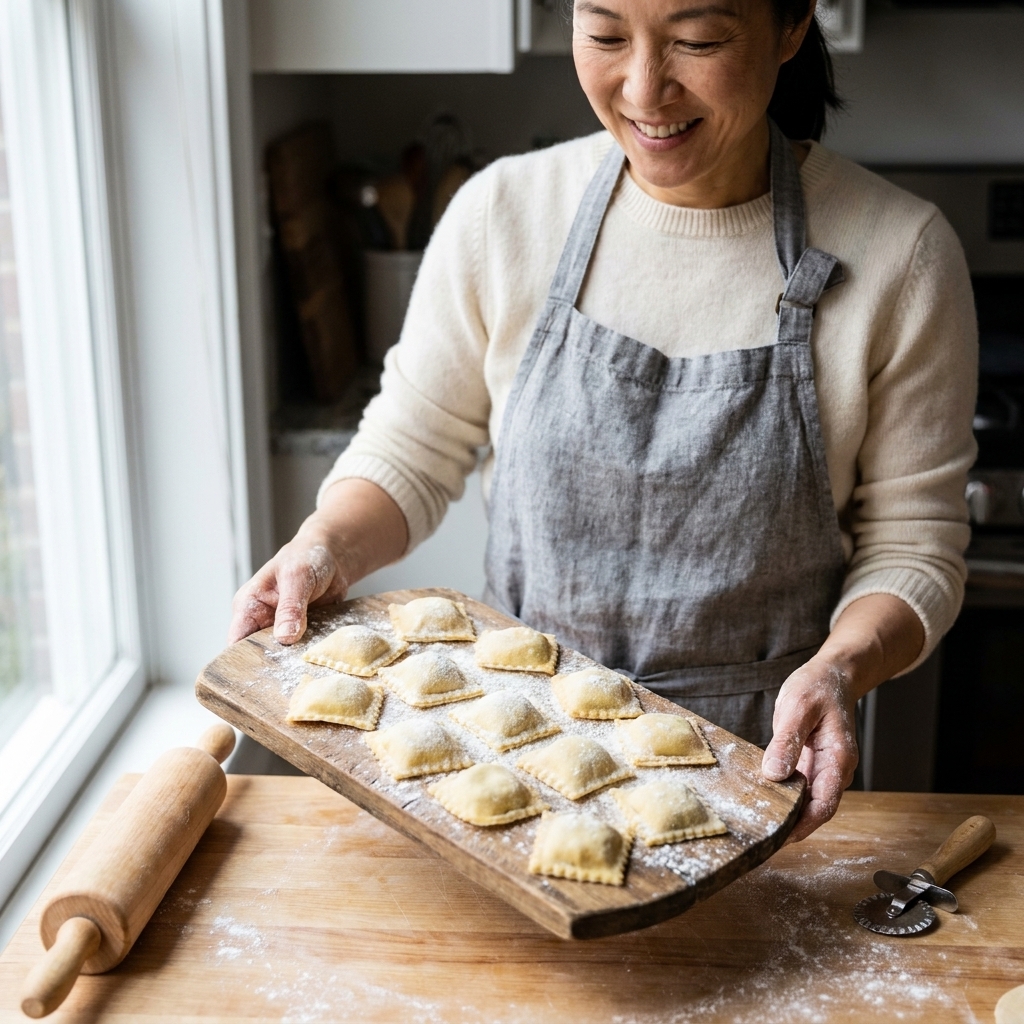
If anyone side-eyes ravioli as a dumpling, I gently disagree while stuffing my face. Filled pasta is dumpling-adjacent in the most delicious way.
Dough vibe
Egg pasta dough: flour plus eggs (and sometimes a little olive oil). It is elastic, silky, and meant to be rolled thin.
Common savory fillings
- Ricotta and spinach
- Mushroom
- Braised meat
- Butternut squash with parmesan
Signature cooking
Boil gently, then sauce immediately. Pasta dough dries out fast, so keep it covered while you work.
Korean Mandu
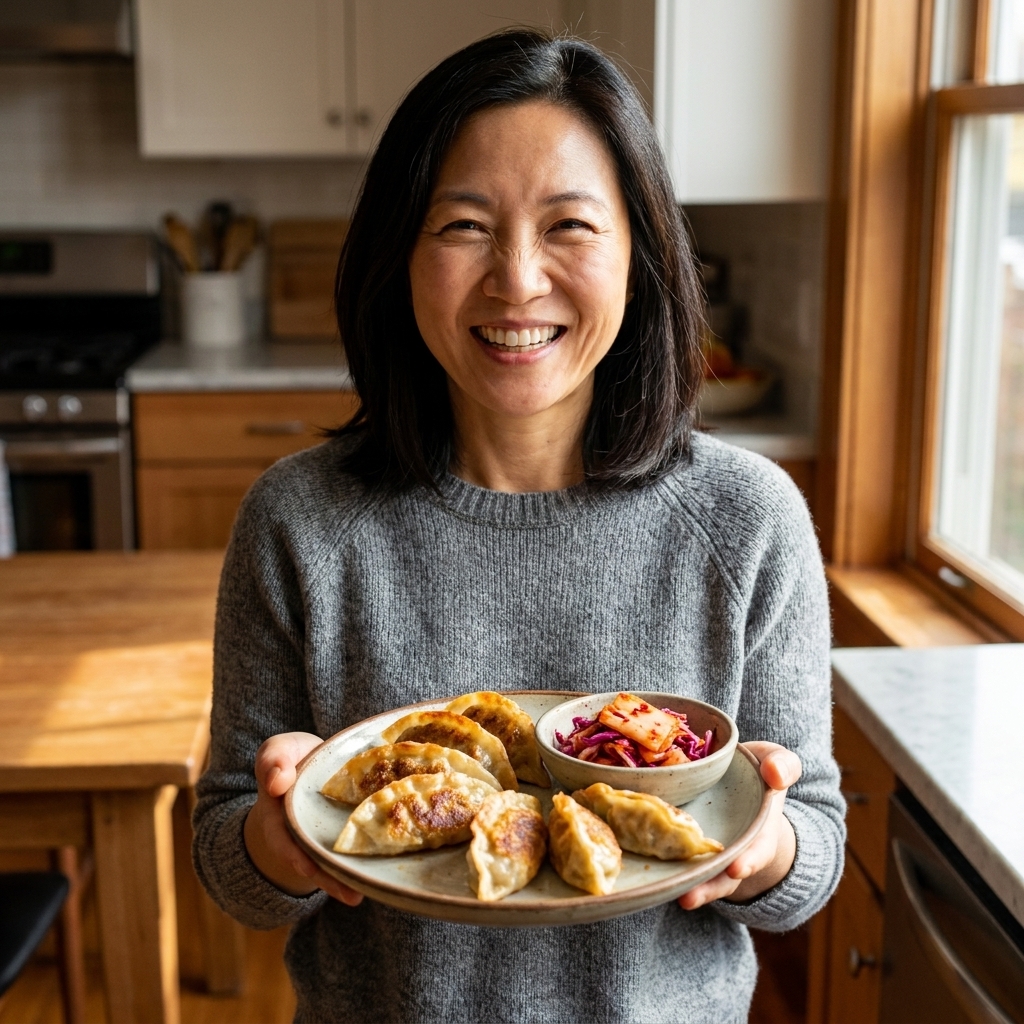
Mandu are the dumplings I make when I want maximum flavor and I do not mind a little chopping. You can steam them, boil them in soup, or pan-fry for crisp edges.
Dough vibe
Often made with thin wheat wrappers, similar to gyoza wrappers. You can also find thicker mandu skins at Korean markets.
Common savory fillings
- Pork or beef
- Tofu (crumbled and squeezed dry)
- Kimchi (chopped and squeezed)
- Glass noodles (dangmyeon), optional but fun
Signature cooking
Gun mandu are pan-fried and crisp. Mul mandu are boiled. Tteok mandu guk is a celebratory soup with rice cakes and dumplings.
Indian and Pakistani Samosa (the crispy cousin)
Samosas are technically pastry pockets, but in the dumpling family tree they are the crunchy, golden branch. They are filled, sealed, and cooked, and that counts in my book.
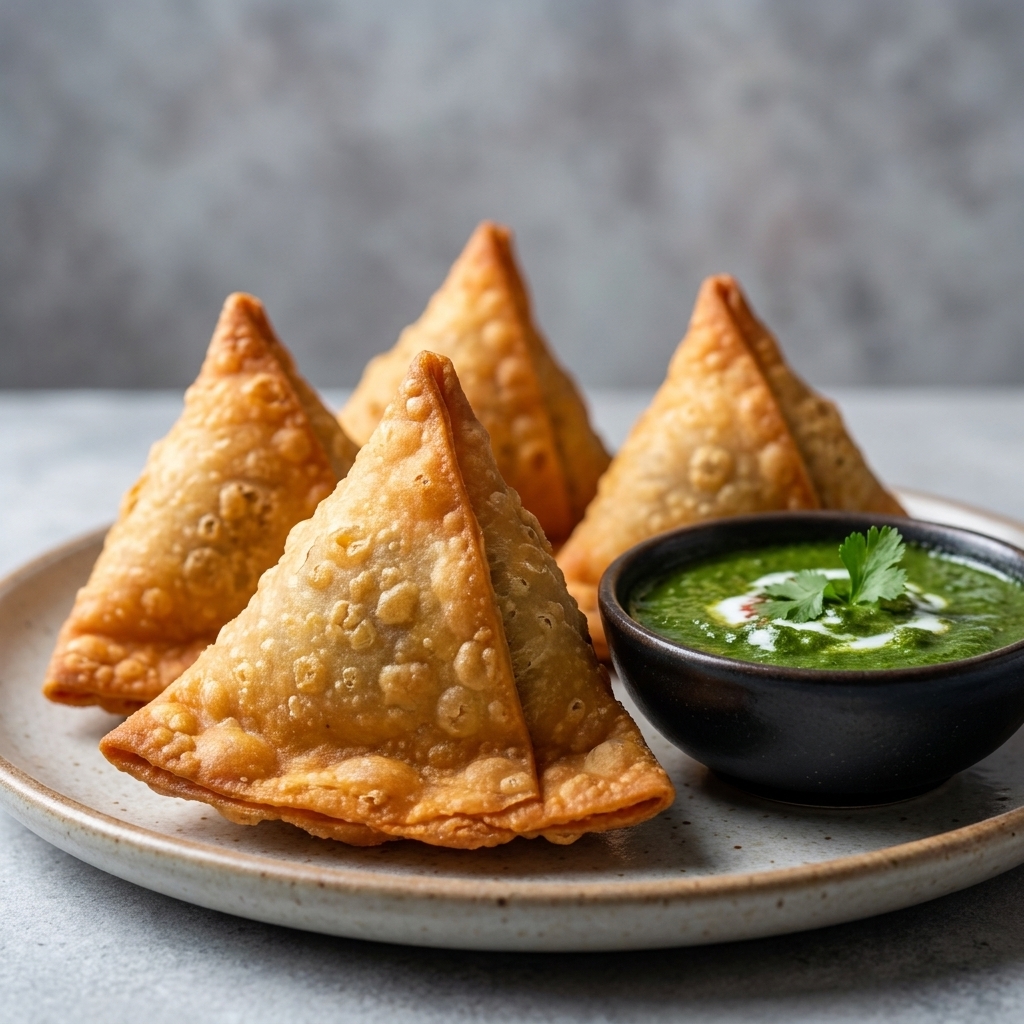
Dough vibe
A firm, shortcrust-style dough with flour, oil or ghee, salt, and water. The key is rubbing fat into the flour so the shell fries up flaky, not bready.
Classic savory filling
- Potatoes and peas
- Cumin, coriander, garam masala
- Chili and ginger
Signature cooking
Traditionally deep-fried. At home, you can also bake or air-fry for a lighter version, but that classic crackly shell loves oil.
Chinese Har Gow (shrimp dumplings)
Har gow are the delicate, translucent shrimp dumplings you see at dim sum. They are a little more technical because the dough is a hot-water starch dough, but they are so worth understanding.
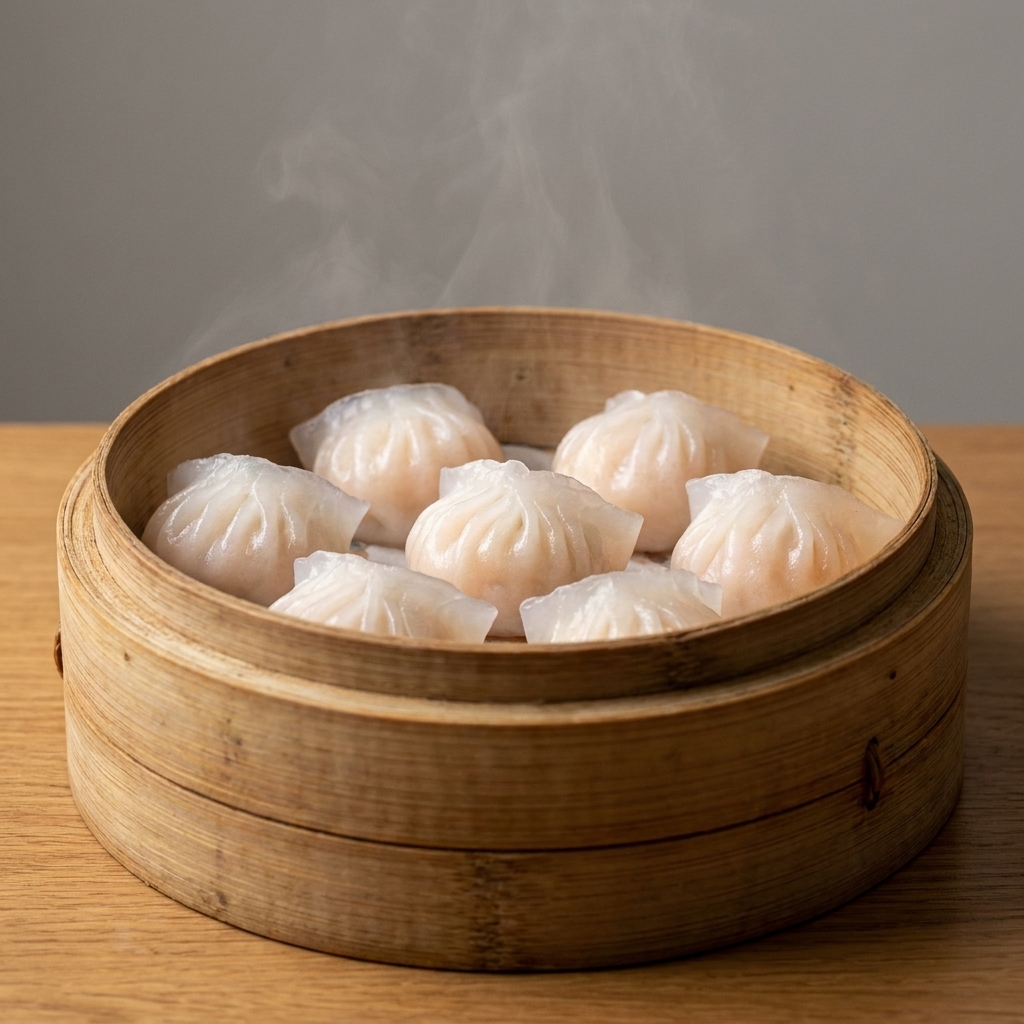
Dough vibe
A mix often based on wheat starch and tapioca starch with boiling water and a little oil. The result is tender, slightly bouncy, and semi-translucent.
Classic filling
Chopped shrimp with a little fat (sometimes pork fat or oil), bamboo shoots, white pepper, sesame oil.
Signature cooking
Steamed until glossy. Keep the lid tight so they do not dry out.
Dough and wrapper cheat sheet
If you want to freestyle dumpling night, this is the quick logic I use.
Buy these wrappers when you want it easy
- Gyoza wrappers: thin, great for pan-fry + steam
- Dumpling wrappers (round, slightly thicker): better for boiling
- Wonton wrappers: versatile, especially for wonton soup, dumplings in soups, and quick pierogi-style hacks
- Spring roll wrappers: for crispy fried pockets, not pleated dumplings
Make dough when you want it special
- Pierogi dough for that soft, tender chew
- Pelmeni/jiaozi dough if you want a sturdy boil-friendly wrapper
- Ravioli dough for silky pasta texture
- Har gow dough when you feel like a fun challenge
My favorite savory filling formulas (so you can invent your own)
1) Pork + cabbage (the juicy classic)
- 1 lb ground pork
- 2 cups finely chopped cabbage, salted then squeezed dry
- 2 scallions, minced
- 1 tbsp soy sauce
- 1 tsp grated ginger
- 1 tsp sesame oil
- 1 to 2 tbsp water or broth (optional, for juiciness)
2) Mushroom + tofu (vegetarian, not sad)
- 10 oz mushrooms, minced and sautéed until dry
- 14 oz firm tofu, pressed and crumbled
- 2 tbsp soy sauce
- 1 tbsp miso or 1 tsp salt
- Garlic, ginger, scallion
- 1 tsp toasted sesame oil
3) Potato + cheese (pierogi comfort)
- 1 lb potatoes, cooked and mashed
- 1 cup farmer’s cheese or well-drained ricotta
- 1 sautéed onion
- Salt and lots of black pepper
Moisture control, the unglamorous hero
Salt watery vegetables and squeeze. Cook mushrooms until dry. Press tofu. Your wrappers will seal better and your dumplings will stay intact.
Cooking methods, decoded
Boiling
Best for sturdier wrappers (jiaozi, pelmeni, pierogi). Keep it at a gentle boil, not a violent rolling one, so seams stay closed.
Steaming
Best for delicate wrappers (momo, har gow, baozi). Line your steamer with parchment or cabbage leaves to prevent sticking.
Pan-fry then steam
The gyoza method. Crisp bottom, juicy filling. Use a tight-fitting lid and do not peek too much.
Deep-fry
For samosas and other pastry-style dumplings. Keep oil at a steady temperature so they do not get greasy.
Boil then butter-fry
Pierogi magic. The boil cooks the dough through, the butter adds flavor and texture.
Make-ahead and freezer tips (future-you will be obsessed)
- Freeze on a tray first: arrange dumplings in a single layer until solid, then bag. This prevents one giant dumpling blob.
- Do not thaw before cooking: cook from frozen. Add 1 to 3 minutes depending on size.
- Label the bag: filling + date + cooking method. Your family will thank you when they are starving.
- Sauce packs: freeze dipping sauce in small containers so dumpling night is truly grab-and-go.
Troubleshooting: when dumplings get dramatic
They burst open
- Filling is too wet: squeeze cabbage, cook mushrooms, press tofu.
- Too much filling: use less, leave a clear border for sealing.
- Boil too hard: keep it gentle.
The seams will not stick
- Wrappers are dry: keep them covered with a damp towel.
- Not enough moisture at the edge: use water, or a flour-water slurry for stubborn wrappers.
The filling tastes bland
- Add aromatics: ginger, garlic, scallion.
- Add umami: soy sauce, miso, fish sauce, parmesan depending on the cuisine.
- Salt properly: cook a tiny test patty of filling in a skillet and taste before wrapping.
Choose your dumpling adventure (3 easy menus)
Fast weeknight
- Store-bought gyoza wrappers
- Pork + cabbage filling
- Pan-fry then steam
- Simple soy-vinegar dip
Cozy weekend batch
- Pierogi dough
- Potato + cheese filling
- Boil then butter-fry
- Caramelized onions + sour cream
Dim sum at home
- Buy har gow wrappers if you can find them (many Asian markets carry them)
- Shrimp filling
- Steam in bamboo baskets
- Chili crisp on the side
FAQ
What is the difference between gyoza and jiaozi?
Gyoza wrappers are typically thinner and the dumplings are most often cooked with the pan-fry then steam method for a crisp bottom. Jiaozi wrappers are often a bit thicker and jiaozi are commonly boiled, steamed, or pan-fried depending on region and preference.
Can I use wonton wrappers for dumplings?
Yes. Wonton wrappers are super handy for wonton soup, dumplings in brothy soups, and quick hacks like pierogi-style pockets. They are usually square and thinner, so do not overfill and keep the boil gentle.
How do I keep dumplings from sticking to the steamer?
Line the steamer with parchment (poke a few holes), cabbage leaves, or lightly oiled steamer liners. Also leave a little space between dumplings so steam can circulate.
How do I know when dumplings are done?
Boiled dumplings usually float when close to done, but give them another minute for safety depending on thickness. Steamed dumplings will look slightly glossy and feel firm to the touch. When in doubt, cut one open. It is the cook’s snack. For meat fillings, make sure there is no pink left and the center is piping hot (about 160°F/71°C for pork and 165°F/74°C for poultry).
Your next move
If you are new to dumplings, start with gyoza. Store-bought wrappers, one skillet, crisp bottoms, instant confidence. If you want a weekend project that feeds everyone twice, make a big batch of pierogi and freeze half.
And if your first dumpling looks a little weird? Congratulations. You are officially doing it right.