A collection of comforting one-pot pasta recipes that use only five ingredients each, perfect for low-effort weeknights and minimal cleanup.
recipes
Updated September 21, 2026
Fresh Gluten-Free Pasta That Won’t Fall Apart

Maya Chen
Maya Chen is a passionate home cook, recipe developer, and mother of two who believes that great food doesn't have to be complicated. Drawing from her multicultural upbringing and time spent in professional test kitchens, she creates approachable, flavor-packed recipes designed for real life.
Sizzlea
recipes
I love a big bowl of pasta as much as the next busy parent, but gluten-free homemade pasta can feel like a drama queen. It cracks. It crumbles. It turns your counter into a sandy beach. I've been there, flour in my hair, wondering why I didn't just open a box.
Here's the good news: gluten-free fresh pasta can be downright dreamy if you build structure on purpose. That means the right flour blend, enough moisture, and a rest time that gives the starches a chance to hydrate. I'll walk you through it like I'm standing next to you at the counter, gently stealing your bench scraper when you're not looking.
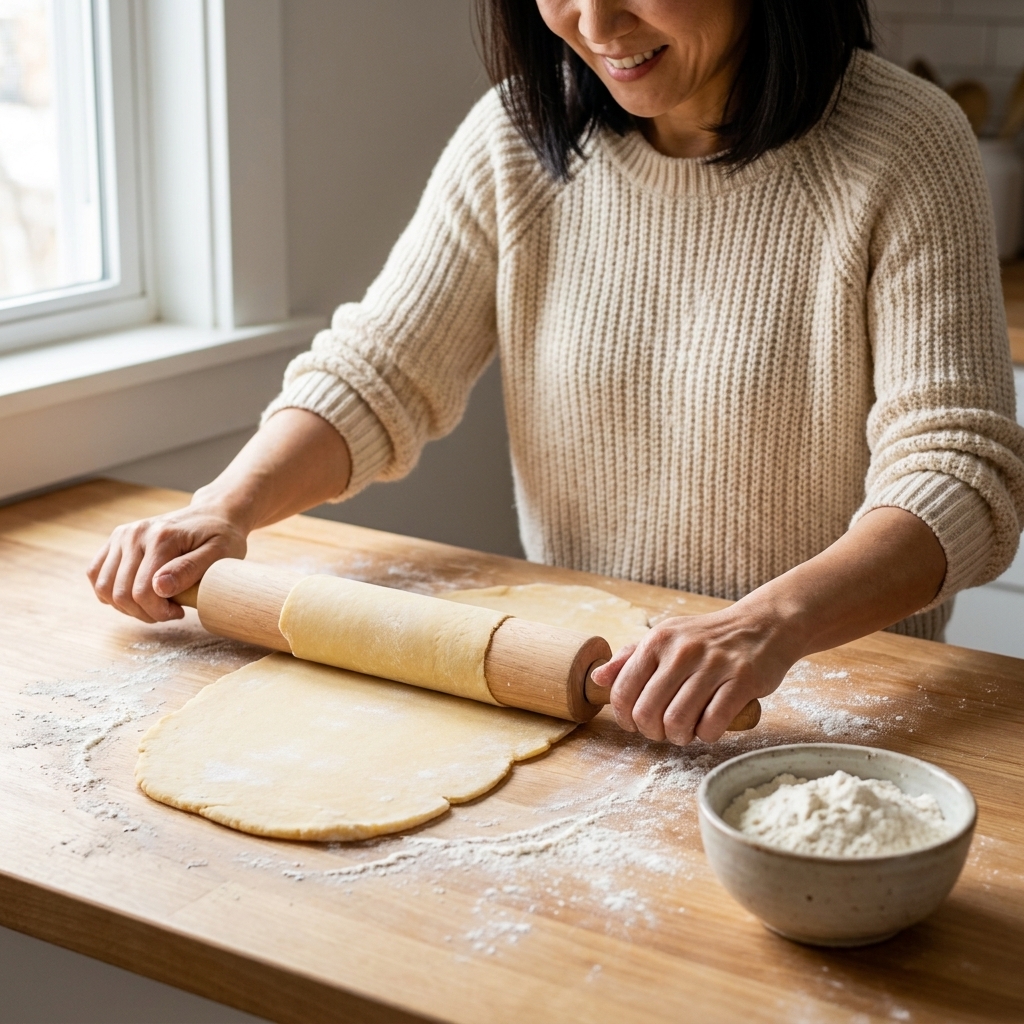
What helps it hold together
Wheat pasta gets its strength from gluten. Gluten-free pasta needs a different support system. Think of it like building a sturdy sandwich without bread. You need the right combination of:
- Starches for elasticity and tenderness (tapioca, potato starch).
- Protein-rich flours for structure (sorghum, millet, oat, chickpea in small amounts).
- A binder to mimic that “stretch” (eggs, psyllium husk, or xanthan gum).
- Proper hydration and rest so the flours fully absorb moisture before rolling.
Most “crumbly dough” problems come from one of two things: not enough moisture, or not enough rest time. We'll fix both.
Best flour blends
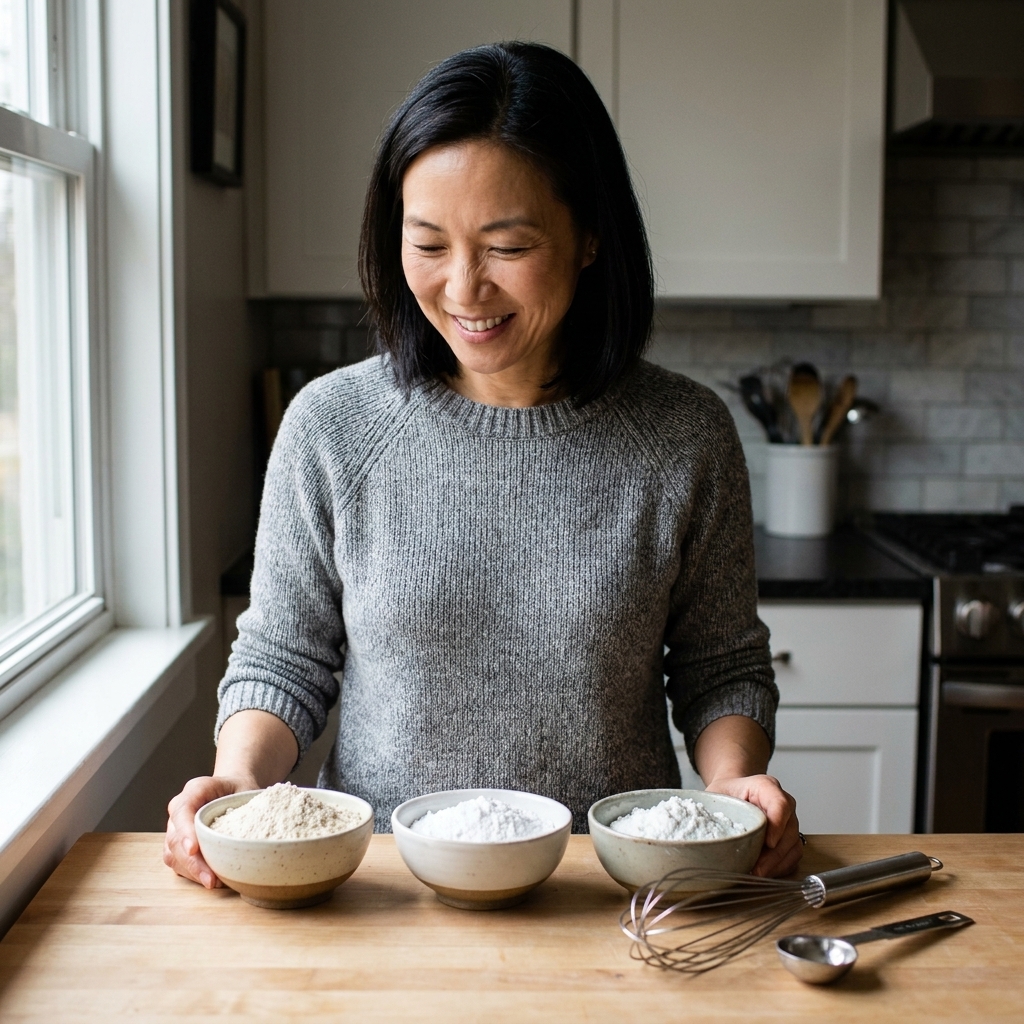
You can absolutely buy a good gluten-free all-purpose blend, but for pasta I like something a bit more intentional. Here are three reliable options, depending on what you've got in the pantry.
Option A: My go-to blend
- 120 g (about 1 cup) sorghum flour
- 80 g (about 2/3 cup) tapioca starch
- 40 g (about 1/3 cup) potato starch
This combo gives you that tender chew without turning gummy.
Option B: With a 1-to-1 blend
Use 200 g (about 1 2/3 cups) of a 1-to-1 gluten-free flour blend that contains xanthan gum. Then add 40 g (about 1/3 cup) tapioca starch for a more pasta-like bite.
Option C: Egg-free structure
Use Option A blend, but rely on psyllium husk for elasticity. This is a great choice if eggs aren't an option, and it rolls surprisingly well.
Quick measuring note: Weights are the most accurate (a kitchen scale is your best friend here). Cup measures are approximate and can swing based on brand and how you scoop.
Quick note on rice flour: It's fine in blends, but too much can make fresh pasta gritty or prone to cracking. If your blend is rice-heavy, adding tapioca starch helps a lot.
Quick gluten note: If you use oat flour in any blend, make sure it's certified gluten-free.
Fresh gluten-free pasta recipe
This recipe is designed for rolling into sheets (lasagna, ravioli, tagliatelle). It also works for hand-cut noodles without a pasta machine.
Ingredients (serves 3 to 4)
- 120 g sorghum flour (about 1 cup)
- 80 g tapioca starch (about 2/3 cup)
- 40 g potato starch (about 1/3 cup)
- 1 tsp fine sea salt
- Binder: 1 tsp xanthan gum or 2 to 3 tsp finely ground psyllium husk powder (choose one)
- 2 large eggs
- 2 large egg yolks
- 1 tbsp olive oil
- 2 to 4 tbsp warm water, as needed
Yield: About 360 g dough (enough for 3 to 4 portions of noodles, about 4 lasagna sheets, or roughly 24 to 30 small ravioli depending on size and thickness).
Tools
- Kitchen scale (highly recommended)
- Mixing bowl
- Fork or chopsticks for mixing
- Bench scraper (your best friend)
- Rolling pin or pasta machine
- Large pot for boiling
1) Mix the dry ingredients
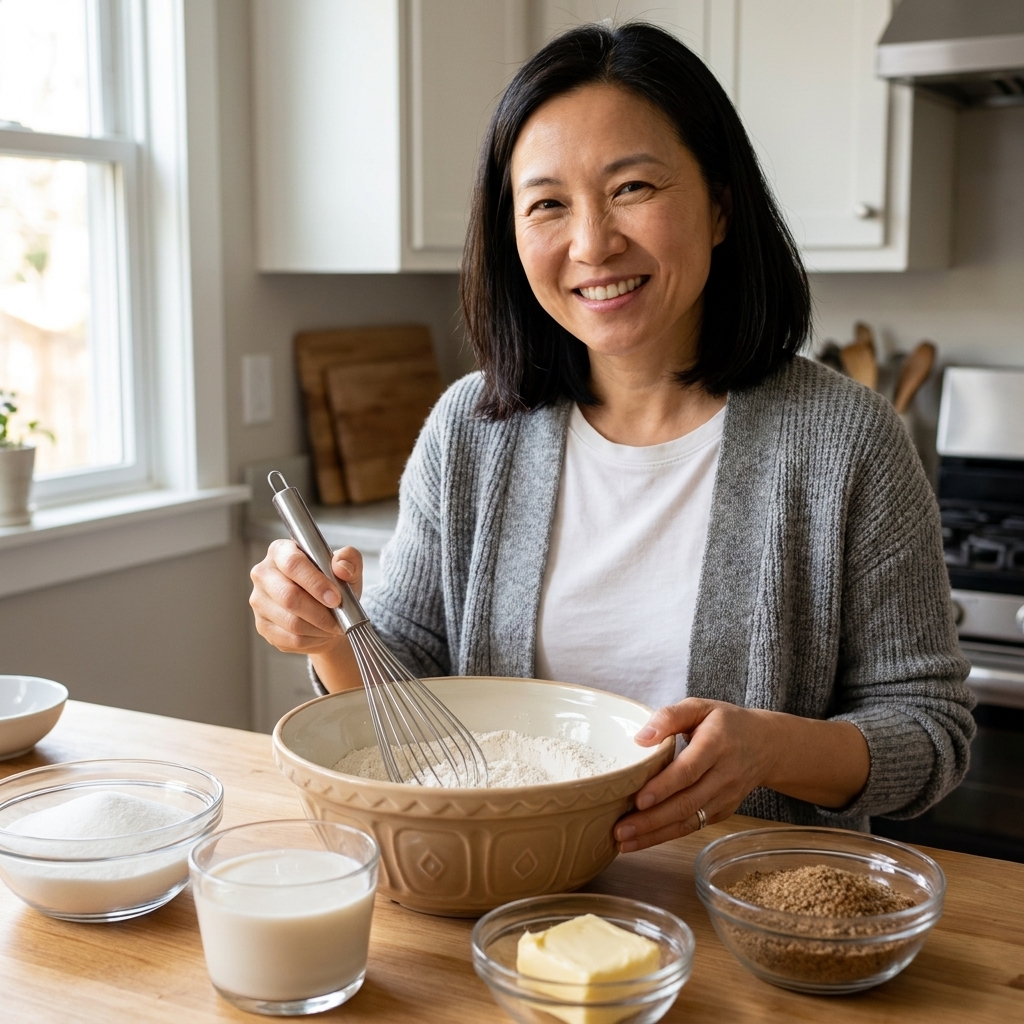
In a bowl, whisk together sorghum flour, tapioca starch, potato starch, salt, and your binder (xanthan gum or psyllium).
2) Add eggs and oil
Make a well in the center. Add the eggs, yolks, and olive oil. Use a fork to whisk the eggs, gradually pulling in the flour until you get a shaggy dough.
3) Hydrate with warm water
Drizzle in warm water 1 tablespoon at a time. You're aiming for a dough that is:
- Soft and pliable
- Not sticky (a tiny tackiness is fine)
- Not crumbly
If you pinch it and it cracks like dry clay, add more water. Gluten-free dough almost always needs a bit more moisture than you'd think, because the starches keep drinking during the rest.
4) Knead briefly, then rest
Knead on the counter for 2 to 3 minutes. It won't become silky like wheat dough, but it should come together into a smooth-ish ball.
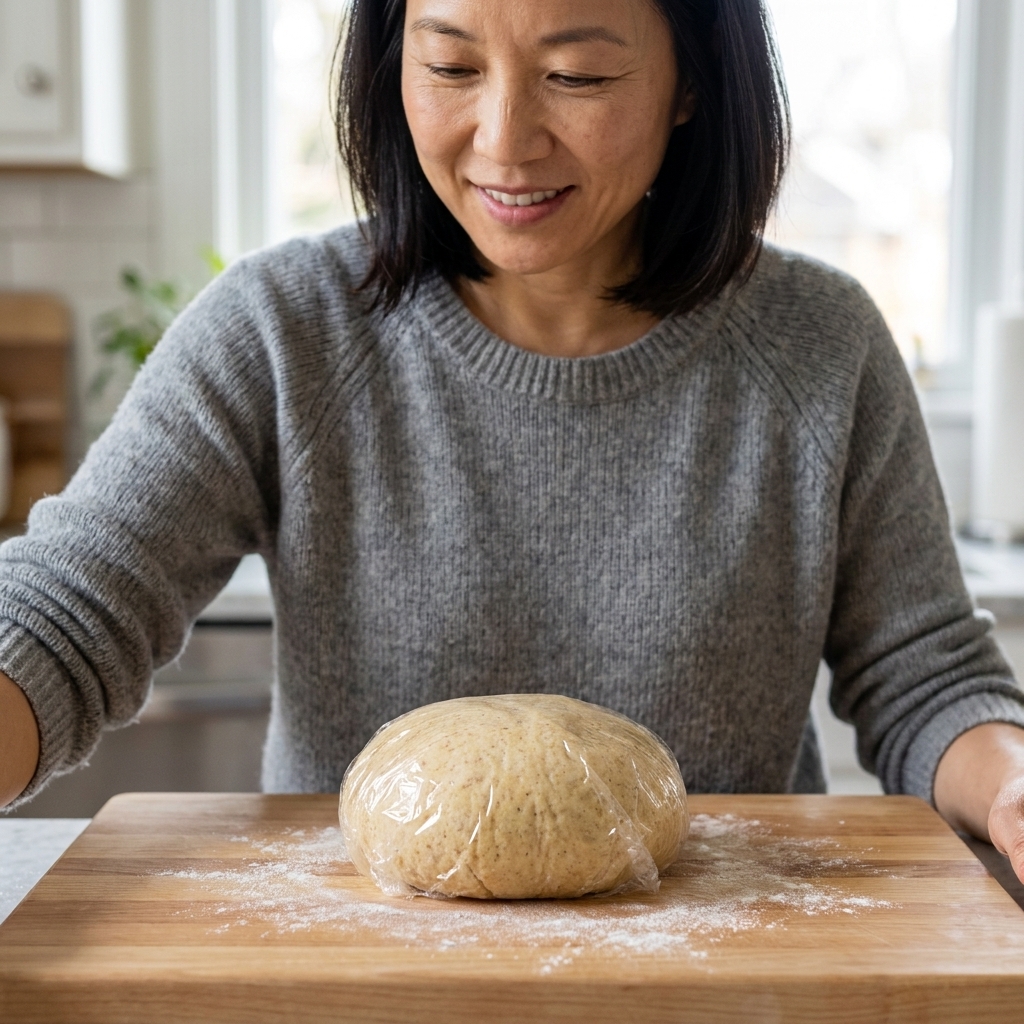
Wrap tightly and rest for 30 minutes at room temp. This is non-negotiable if you want sheets that roll without splitting.
How to roll it
Gluten-free pasta likes confidence and a little patience. If you rush, it'll fight you. If you support it, it behaves.
Rolling by hand
- Divide the dough into 3 or 4 pieces. Keep the rest wrapped so it doesn't dry out.
- Roll between parchment: Place a piece of dough between two sheets of parchment paper. Roll from the center outward, rotating occasionally.
- Thickness target: For noodles, aim for about 1 to 2 mm thick. For ravioli, closer to 1 mm.
- Peel and dust lightly: Peel off the top parchment. If the sheet feels tacky, dust with tapioca starch, not more sorghum flour.
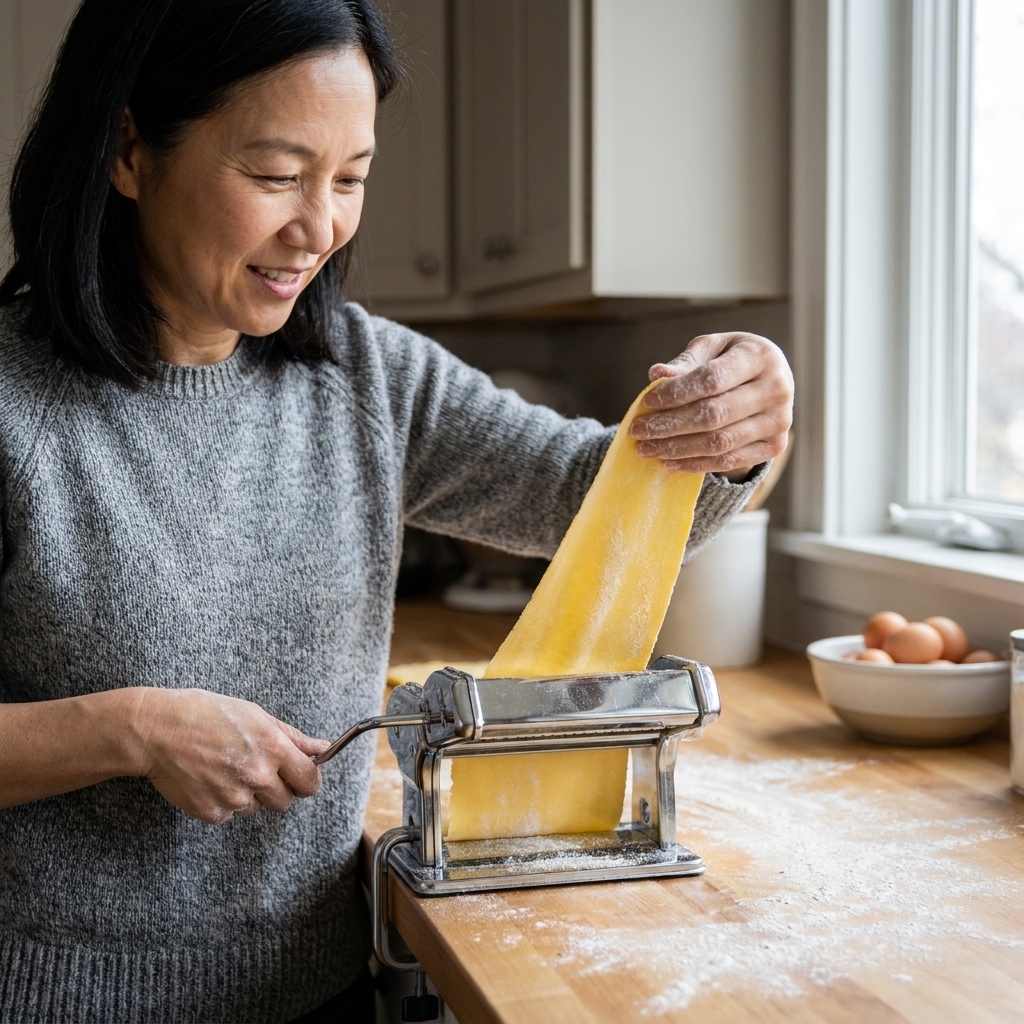
Rolling with a pasta machine
- Flatten one portion into a thick rectangle.
- Run it through the widest setting.
- Fold into thirds like a letter and run it through again. Do this 2 to 3 times to strengthen the sheet.
- Dust lightly as needed with tapioca starch to prevent sticking.
- Continue through progressively thinner settings until you reach your desired thickness. Stop one setting thicker than you would for wheat pasta. Gluten-free pasta is more delicate.
Maya tip: If the sheet cracks at the edges, dab your fingers in water and gently smooth the crack. If it's cracking everywhere, your dough needs more moisture. Knead in 1 teaspoon water, rest 10 minutes, then try again.
Cutting shapes
Tagliatelle or fettuccine
Dust the sheet lightly with tapioca starch, roll it up loosely like a jelly roll, then slice into ribbons. Unfurl immediately and toss with a bit more starch so the noodles don't glue themselves together.
Lasagna sheets
Cut into rectangles. Keep separated with parchment. There's often no need to pre-boil if you're using a very saucy bake where the sheets will be fully surrounded and hydrated. If your sauce is thicker or your bake is on the drier side, do a quick dip in simmering water (30 to 60 seconds) to relax and soften them first.
Ravioli
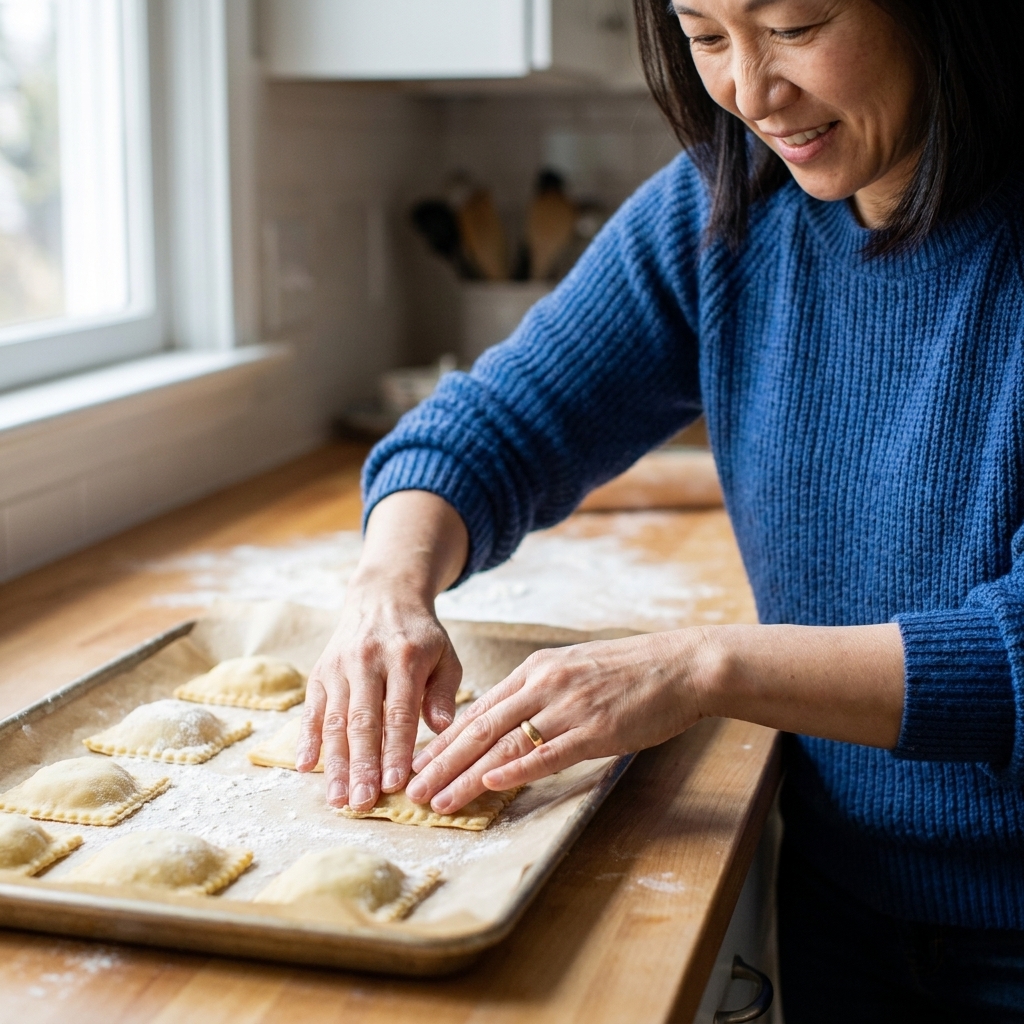
Keep the filling on the drier side. Wet fillings can seep and pop seams. Brush edges with a tiny bit of water, press firmly to seal, and keep finished ravioli on a parchment-lined tray dusted with starch.
How to cook it
This is where most heartbreak happens. Gluten-free pasta needs gentle cooking and enough water movement.
- Use a wide pot with plenty of salted water. Crowding causes sticking and tearing.
- Boil, then reduce: Bring water to a boil, add pasta, stir once, then reduce to a lively simmer.
- Stir carefully for the first 30 seconds to prevent sticking.
- Cook time: Fresh gluten-free noodles usually take 2 to 4 minutes, but thicker sheets can take longer. Ravioli often take 4 to 7 minutes, depending on thickness and filling.
- Test early: Pull a piece and bite it. This matters more than the clock. You want tender with a little chew, not mushy.
- Transfer, don't drain: Use a spider or tongs to lift pasta straight into your sauce. A little starchy water helps the sauce cling.
Maya tip: If you're making a big batch, cook in small portions. Gluten-free pasta doesn't love long hot soaks in the colander.
Make-ahead and storage
To refrigerate
Dust noodles well with tapioca starch, portion into loose nests, and store in an airtight container for up to 24 hours. Keep a piece of parchment between layers.
To freeze
Freeze nests or ravioli on a parchment-lined tray until solid, then transfer to a freezer bag. Cook from frozen, adding 1 to 2 minutes, and keep using the bite test.
Sauce pairing
Fresh gluten-free pasta shines with sauces that coat and cuddle it: pesto, creamy tomato, brown butter and sage, or a simple olive oil, garlic, and lemon situation.
Troubleshooting
My dough is crumbly and won't come together
Add warm water 1 teaspoon at a time and knead it in. Then wrap and rest 10 to 15 minutes. Crumbly almost always means under-hydrated or under-rested.
My dough is sticky
First, give it a 10-minute rest. Sometimes the stickiness settles down once the flours finish hydrating. Then dust your hands and parchment with tapioca starch (or potato starch). If it's truly wet and slumpy, knead in a small sprinkle of sorghum flour (start with 1 teaspoon), then rest again.
It cracks when I roll it
Either it's too dry or too thick. Add a touch of water and rest, or roll between parchment with gentle pressure and rotate often.
My noodles break in the water
Common causes: overcooking, a hard boil, or noodles rolled too thin. Simmer instead of aggressively boiling, cook until tender by bite test, and stop one setting thicker than wheat pasta.
The texture is gummy
Usually too much starch or not enough cooking water movement. Try a blend with more whole-grain flour (sorghum, millet), cook in a larger pot, and avoid overcooking.
FAQ
Do I need xanthan gum?
Not always. If you use psyllium husk powder, you can skip xanthan gum. If you're using a 1-to-1 flour that already contains xanthan, don't add more or the dough can turn oddly bouncy.
Can I make this without a pasta machine?
Yes. Rolling between parchment with a rolling pin is my favorite low-stress method, especially for noodles and lasagna sheets.
Is fresh gluten-free pasta better than dried?
It's different. Fresh is tender, rich, and a little more delicate. Dried gluten-free pasta is sturdier for big boiling situations. I love fresh for special weeknights and cozy weekends.
What's the easiest shape for beginners?
Hand-cut ribbons. Roll a sheet, dust, roll it up, slice, and you're in business.
A simple sauce to try
If you want the “I can't believe I made this” moment, toss your fresh noodles with a quick brown butter sauce.
- Brown 4 tbsp butter in a skillet.
- Add a pinch of salt, black pepper, and a handful of fresh sage or thyme.
- Splash in a spoonful of pasta water, then add noodles and toss.
- Finish with lemon zest and parmesan, or your favorite dairy-free alternative.
Soft noodles, nutty butter, herbs, and that little pop of citrus. Comfort food, but make it chic.