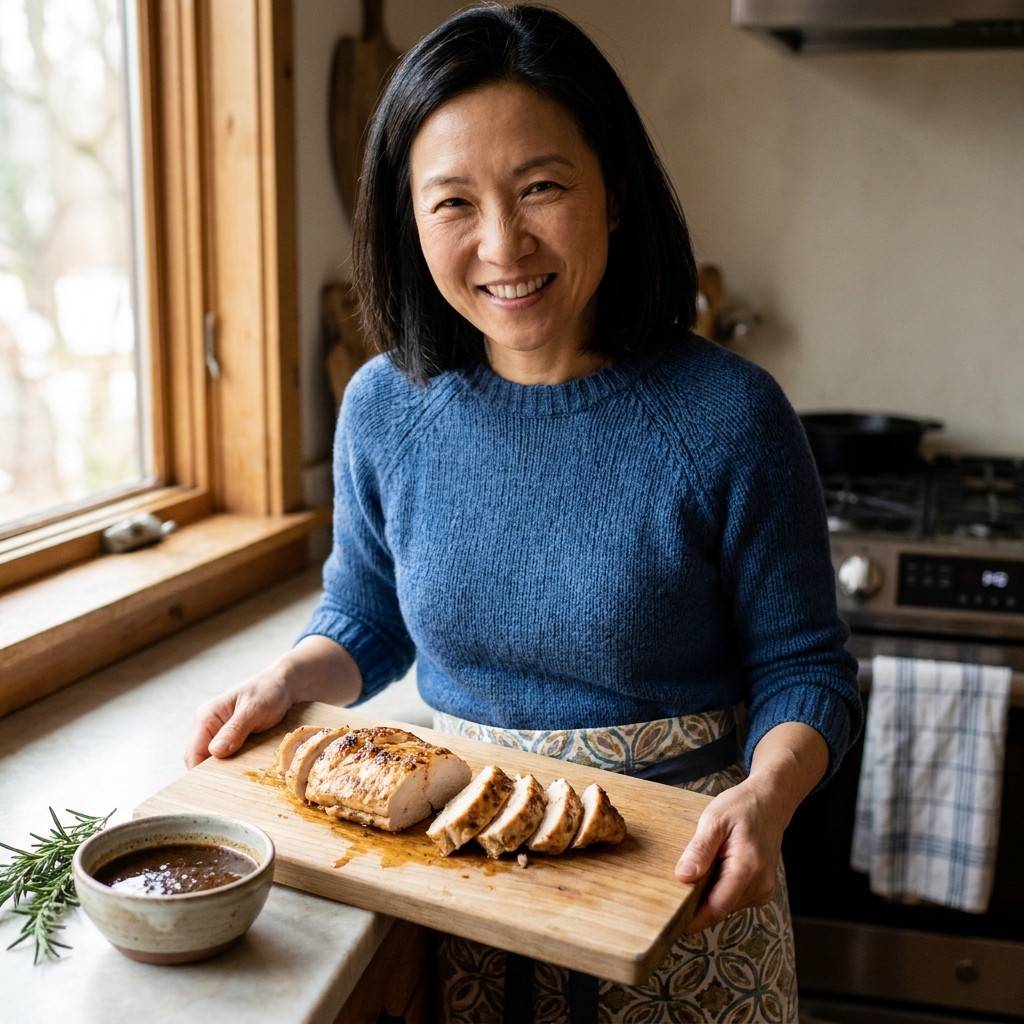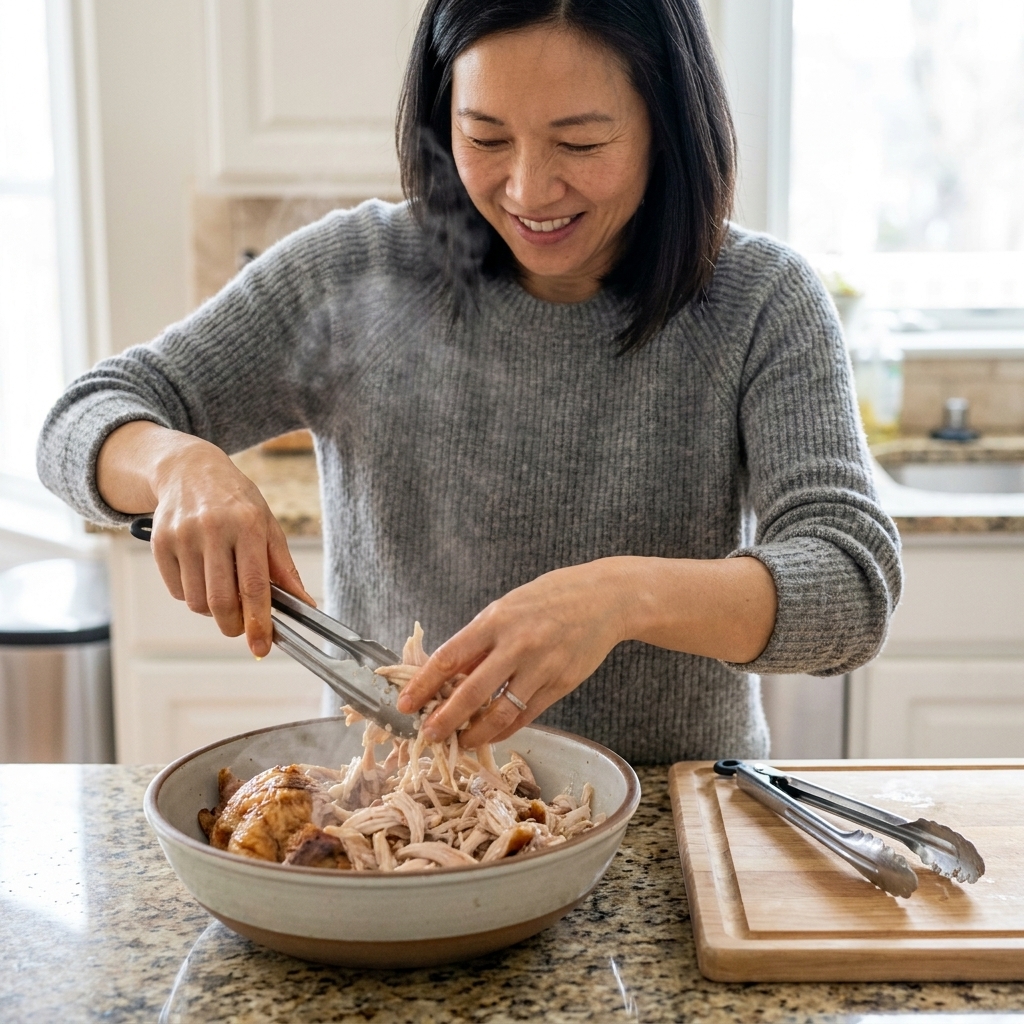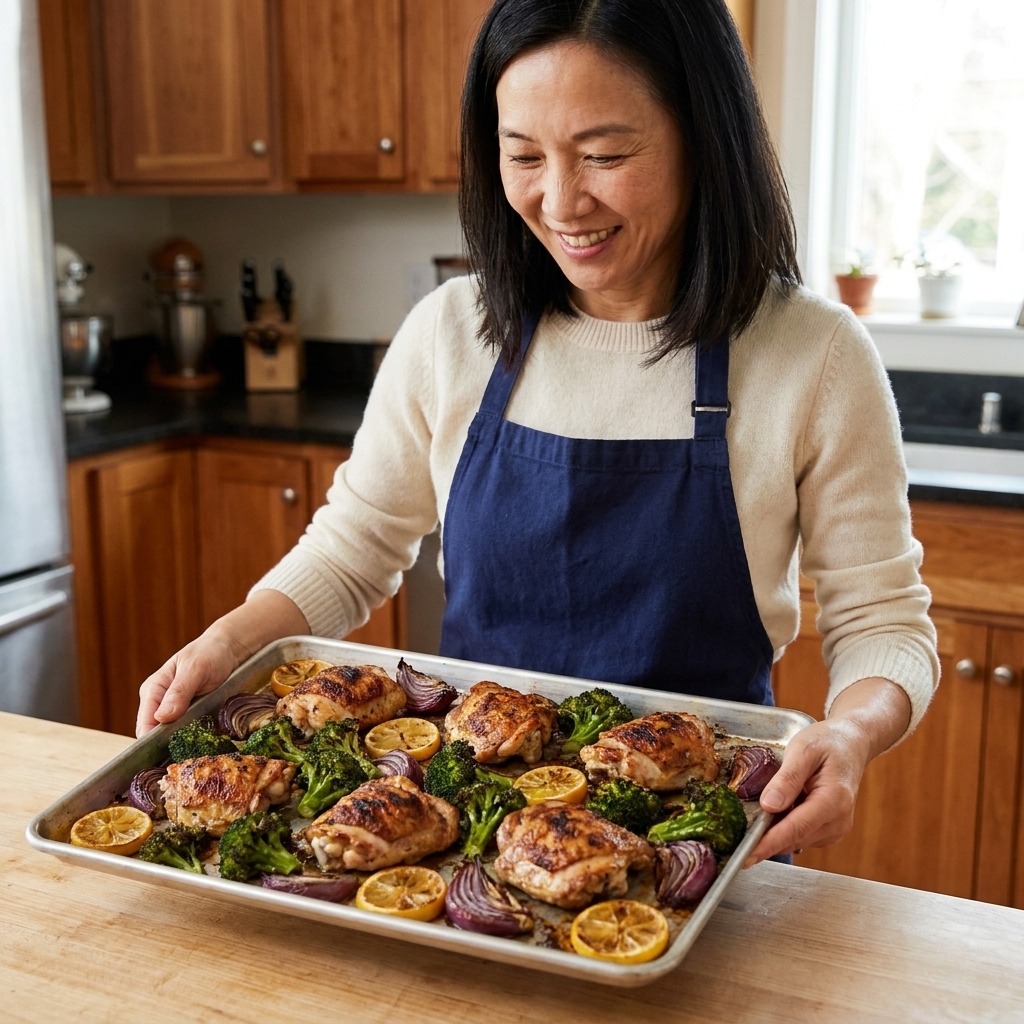
Maximum flavor, minimal cleanup. Learn the sheet pan dinner formula, veggie timing, quick marinades, and simple tricks for golden, weeknight meals.
recipes
Updated September 21, 2026
Air Fryer vs. Oven: Weeknight Chicken Speed Test

Maya Chen
Maya Chen is a passionate home cook, recipe developer, and mother of two who believes that great food doesn't have to be complicated. Drawing from her multicultural upbringing and time spent in professional test kitchens, she creates approachable, flavor-packed recipes designed for real life.
Sizzlea
recipes
On weeknights, I am not trying to win a culinary award. I am trying to get chicken on the table before someone asks for a snack for the third time. So let’s settle the big question: air fryer vs. oven, which one actually gets you to dinner faster and tastier?
Here is the nuance up front: the air fryer is usually faster for smaller pieces and thinner cuts, and it tends to win when “tastier” means crispier. The oven wins when you need volume or when “tastier” means roasty, juicy, and evenly cooked, especially on bigger pieces or sheet-pan meals. Below is the no-fuss breakdown I wish someone had handed me the day I unboxed my first air fryer.
The quick verdict
- Fastest for 1 to 4 servings: Air fryer (less preheat, intense convection heat, quick crisping)
- Best for big batches: Oven (more surface area, fewer rounds)
- Crispiest skin without deep frying: Air fryer, especially for wings and thighs
- Most forgiving for thick pieces: Oven, especially bone-in breasts and large trays of mixed cuts
One important note: an air fryer is basically a small, powerful convection oven. If your oven has a convection setting, it can narrow the speed gap quite a bit.
If you want a simple rule: air fryer for “right now” chicken, oven for “feed the whole crew” chicken.
Speed test: typical times
Times vary based on thickness, whether the chicken is chilled or closer to room temp, how crowded your cooking surface is, air fryer wattage, and whether your oven uses convection. These are typical ranges for fresh or fully thawed chicken cooked to safe doneness.
Assumption: This timing works best when chicken is in a single layer with a little space between pieces. Overcrowding adds time and turns crisp into steam.
Cook times at a glance
- Chicken tenders (1/2 inch thick): Air fryer 8 to 10 min at 400°F; oven 12 to 16 min at 425°F (check early if they are thin)
- Boneless skinless breasts (6 to 8 oz): Air fryer 12 to 16 min at 380 to 400°F; oven 18 to 24 min at 400 to 425°F (thicker breasts cook longer, so start checking at 15 to 18 minutes)
- Boneless thighs: Air fryer 12 to 16 min at 400°F; oven 20 to 28 min at 425°F
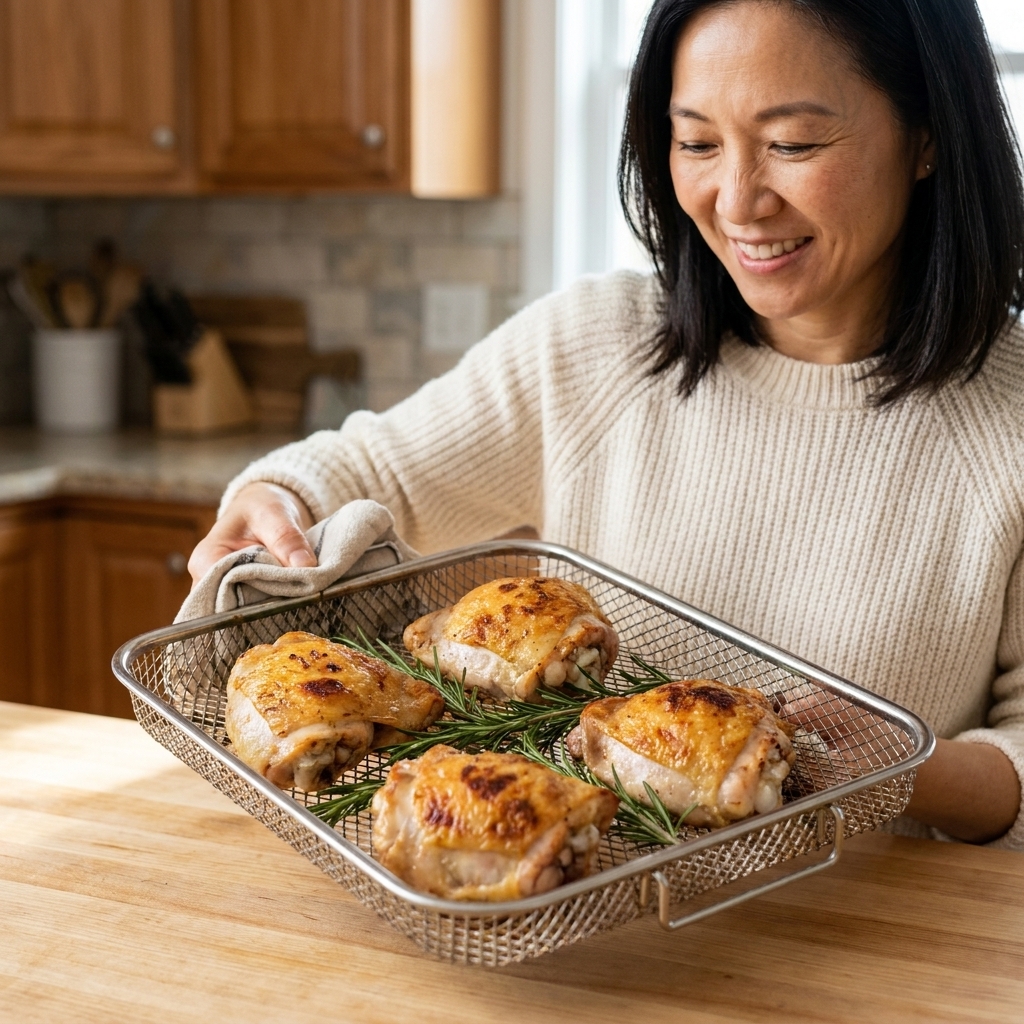
- Bone-in thighs (skin-on): Air fryer 18 to 24 min at 380 to 400°F; oven 30 to 40 min at 425°F
- Drumsticks: Air fryer 18 to 24 min at 400°F; oven 35 to 45 min at 425°F
- Wings: Air fryer 16 to 22 min at 400°F; oven 40 to 50 min at 425°F (convection helps a lot here)
Preheat reality check: Many air fryers get hot fast, often in 2 to 5 minutes. Most ovens take 10 to 20 minutes to truly preheat, depending on the model and how full it is. That gap is a big part of why air fryers feel like magic on busy nights.
Flip and rotate: Air fryer chicken usually needs a flip halfway through for even browning. Oven chicken benefits from rotating the pan once if your oven has hot spots.
Texture: what you will notice
Air fryer texture
Think: crispy edges, browned outside, juicy inside when you do not overcrowd. The circulating heat is intense and close to the food, so you get a fast sear-like effect without a skillet.
- Best at: wings, drumsticks, thighs, breaded cutlets, anything you want crisp
- Watch out for: very thick breasts can dry out if you crank the temp too high or forget to rest
Oven texture
Think: more even cooking, gentler heat, steadier browning. You can still get crispy skin, but it typically takes longer and benefits from higher heat, a wire rack, convection, or a quick broil at the end.
- Best at: sheet-pan meals, big batches, bone-in pieces, saucy bakes
- Watch out for: pale skin if the oven temp is low, the pan is crowded, or there is too much moisture on the surface
Flavor: which tastes better?
Flavor is a three-part story: seasoning, browning, and moisture.
- Browning: Air fryer tends to brown faster, which reads as “more flavorful” because browning equals savory depth.
- Moisture: Ovens can be more forgiving for thick pieces because the heat is less aggressive close-up. Air fryers can be incredibly juicy too, but timing matters.
- Seasoning: Both methods deliver great flavor if you salt properly. If your chicken tastes bland, it is almost always a seasoning issue, not an appliance issue.
My take: air fryer wins for crispy, snacky chicken (wings, drumsticks, breaded cutlets). Oven wins for cozy, saucy, and roasty chicken where you want pan juices to mingle with vegetables or a glaze.
Best cuts for each
Air fryer all-stars
- Tenders and cutlets: fastest and reliably juicy
- Wings: crisp without babysitting a pot of oil
- Boneless thighs: hard to mess up, great browning
- Drumsticks: crispy skin with minimal effort
Oven all-stars
- Bone-in breasts: gentler cook, good for staying juicy
- Big batch thighs: one tray feeds everyone
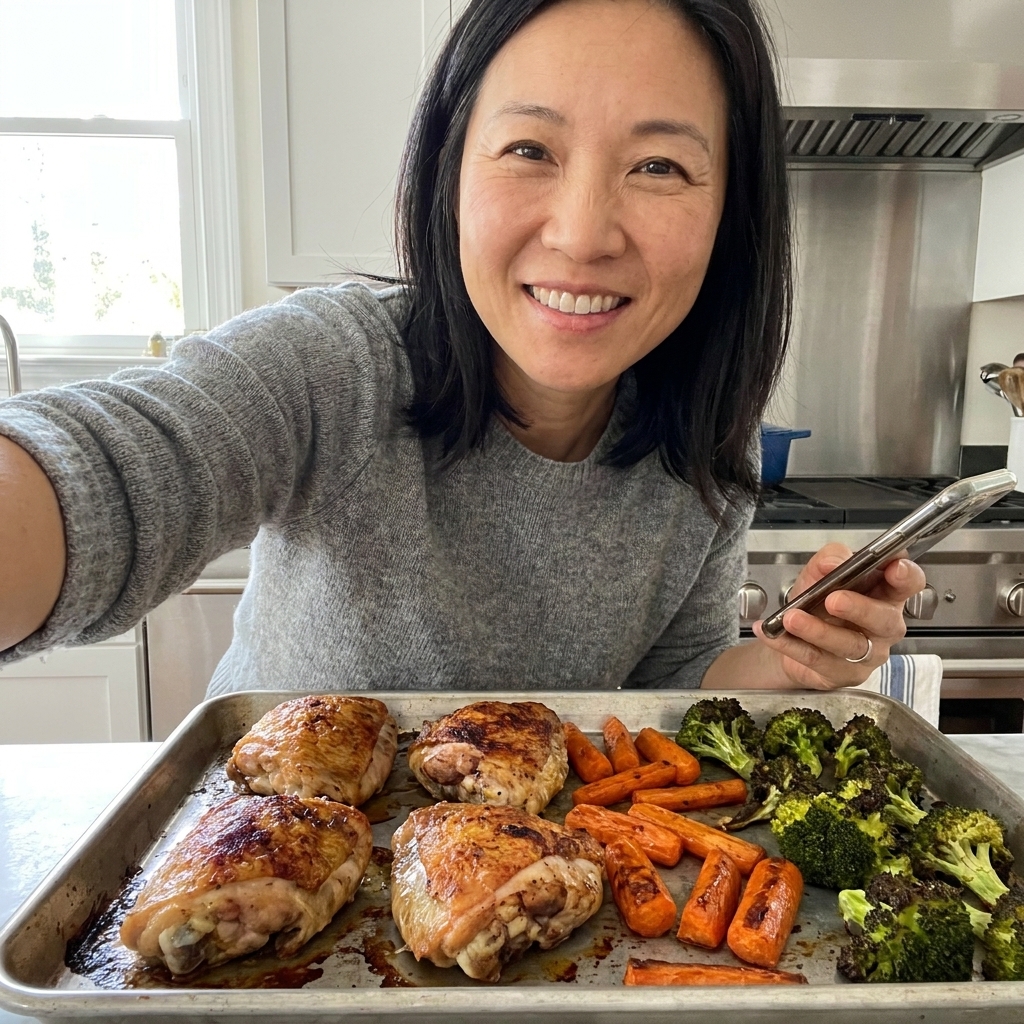
- Sheet-pan dinners: chicken plus veggies in one go
- Sticky glazes and sauces: easier to manage without scorching from intense close heat
Capacity: the real decider
Speed is not just about minutes. It is also about how many rounds you have to cook.
- Typical 5 to 6 qt basket: about 3 to 4 medium thighs or 2 breasts in a single layer (more if they are small, fewer if they are huge)
- Typical oven sheet pan: 6 to 8 thighs with space, plus vegetables
If you are cooking for more than a couple people, the oven often wins simply because one round beats two.
How to keep chicken juicy
1) Use a thermometer, not vibes
I love a confident cook, but chicken loves facts. The USDA safe endpoint is 165°F (instant).
- Breast: pull at about 160°F, rest 5 minutes, and confirm it reaches 165°F as it carries over
- Thighs and drumsticks: 165°F is the minimum safe temp, but many people prefer 175 to 185°F for texture (more tender, less chewy)
2) Do not crowd the chicken
Air fryer especially needs breathing room. Crowding turns “crisp” into “steamed.” If you need two rounds, do two rounds. Future-you will thank you.
3) Dry surface = better browning
Pat chicken dry with paper towels. This tiny step is loud in results.
4) Rest for 5 minutes
Resting lets juices redistribute. If you slice immediately, they run out onto the cutting board and your chicken feels dry even if you cooked it perfectly.
Smoke and sauce tips
Air fryers can smoke if there is a lot of rendered fat (skin-on thighs, wings) or if you use a sugary sauce too early.
- Fat management: keep the basket and drip tray clean, and consider a splash of water in the drawer on some models (only if your manual allows it)
- Sauces: cook chicken plain or lightly oiled, then toss in sauce at the end, or brush sauce on for the final 2 to 4 minutes so it sets without burning
Weeknight game plan
If I have 20 minutes
- Air fryer chicken tenders or thin cutlets
- Bagged salad or quick cucumber salad
- Microwave rice or warmed tortillas
If I have 35 to 45 minutes
- Oven sheet-pan chicken thighs with vegetables
- One simple sauce: lemon, garlic, and olive oil or a jarred pesto drizzle
And yes, I have absolutely served air-fried drumsticks with toaster waffles on a Wednesday. No regrets.
FAQ
Do I need to preheat the air fryer?
Often yes, but it is quick. If your model says to preheat, do it. If it does not, I still like a 2 to 3 minute preheat for better browning, especially on skin-on pieces.
Is air fryer chicken healthier than oven chicken?
They can be very similar. The air fryer often needs less added oil to get crisp, but the biggest “health” swing usually comes from your breading, sauce, and portion size.
Can I cook frozen chicken in the air fryer?
Frozen breaded chicken tends to do well. For frozen raw chicken, be cautious: it can cook unevenly, brown on the outside before the center is safe, and release a lot of moisture. When possible, thaw overnight for the juiciest, most even results. If you do cook from frozen, follow your air fryer manufacturer guidance and check the internal temp in more than one spot to confirm it reaches 165°F.
Why is my air fryer chicken dry?
Usually one of three things: the pieces were too thick for the time and temp you used, the air fryer was overcrowded, or you cooked breasts past doneness. Use a thermometer and pull breasts around 160°F, then rest and confirm 165°F.
When should I choose the oven even if it is slower?
When you need to cook more than your air fryer can hold in a single layer, or when you want a full tray meal with vegetables. One oven round often beats two or three air fryer rounds for family dinner.
The bottom line
If your goal is fast weeknight chicken, the air fryer is typically the winner for small to medium portions and anything you want crispy. If your goal is one-and-done dinner for a crowd or a true sheet-pan meal, the oven is still the most reliable workhorse.
Personally, I keep both in my rotation. The oven is my weekend roaster. The air fryer is my Tuesday-night lifesaver.