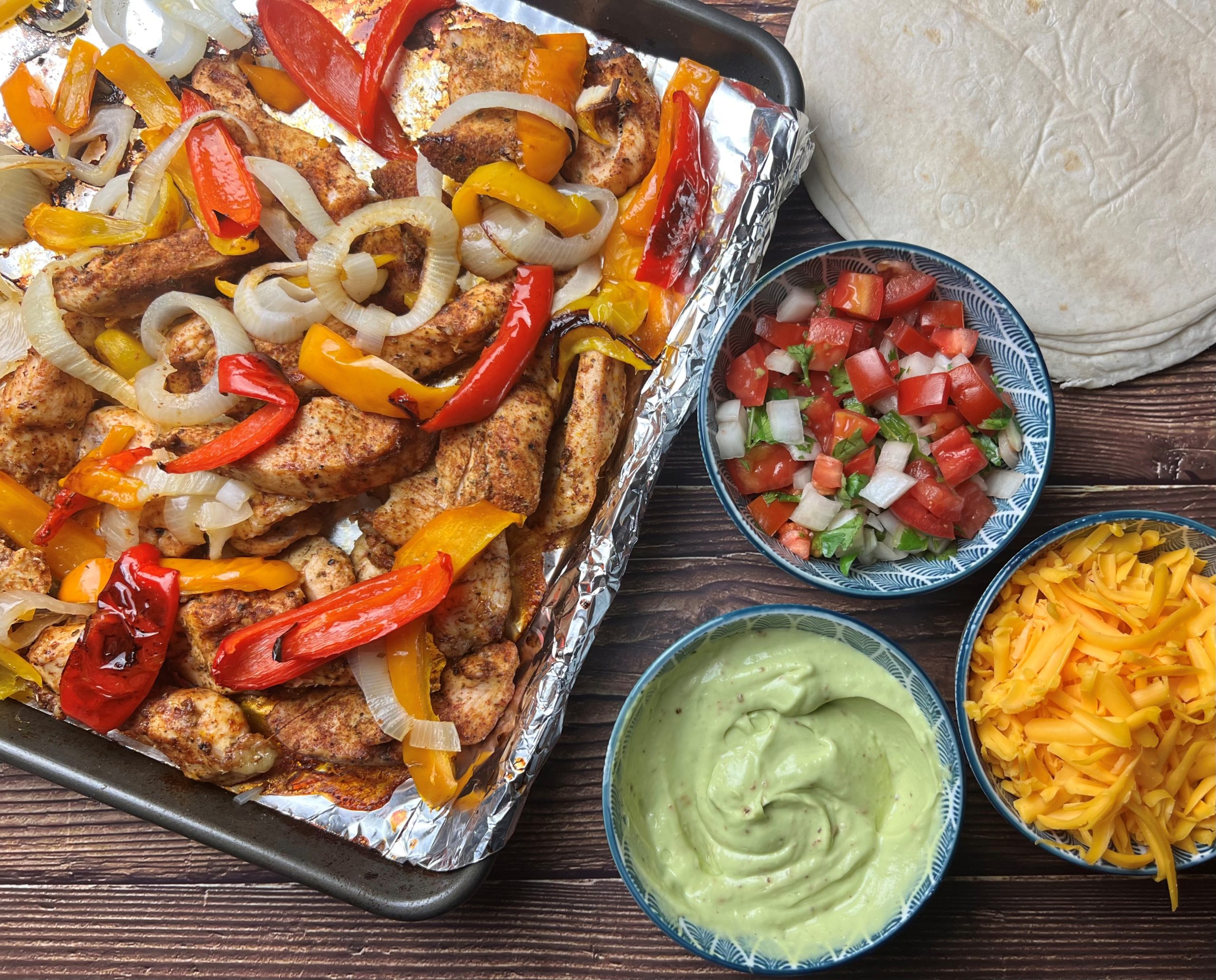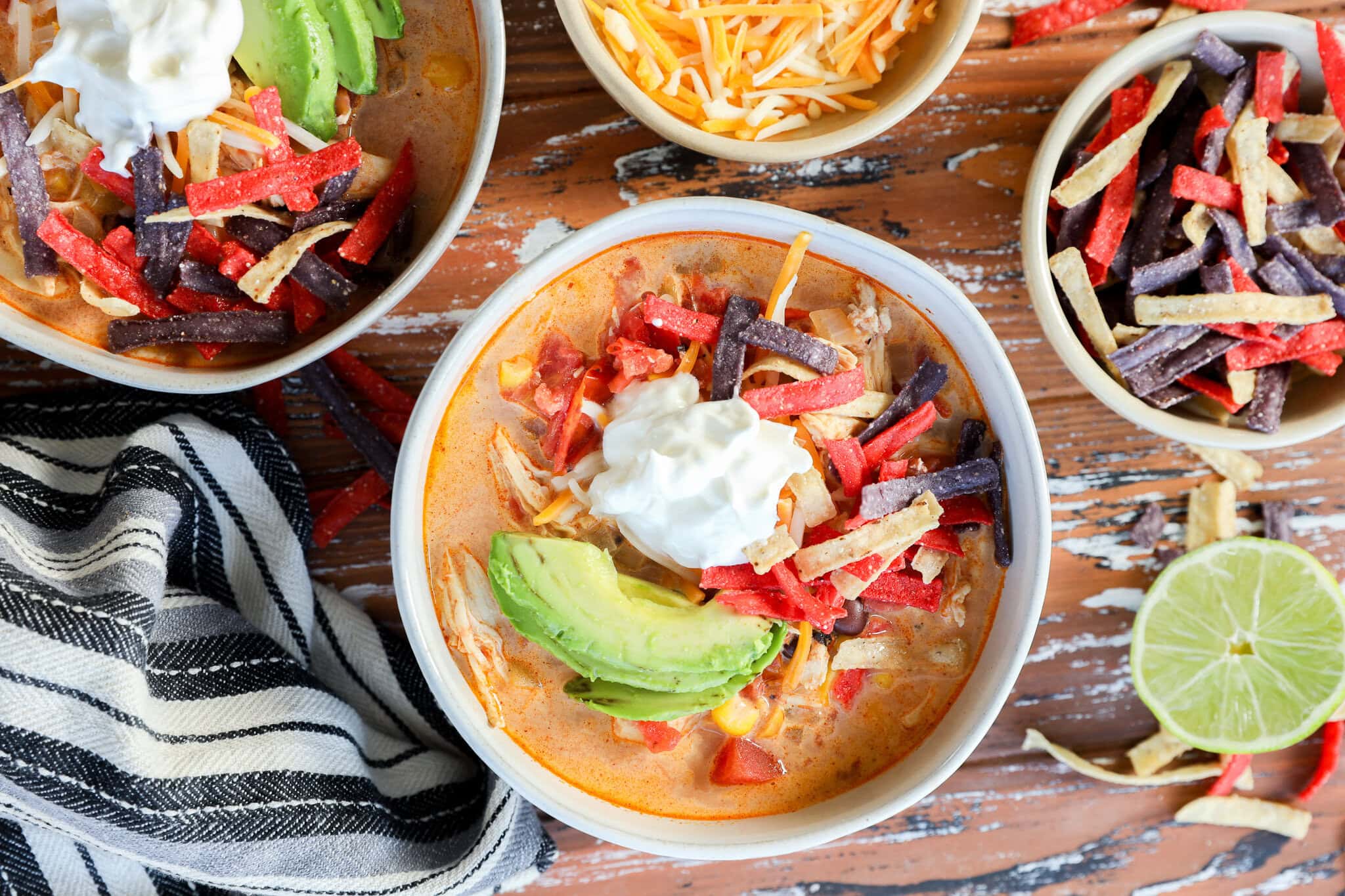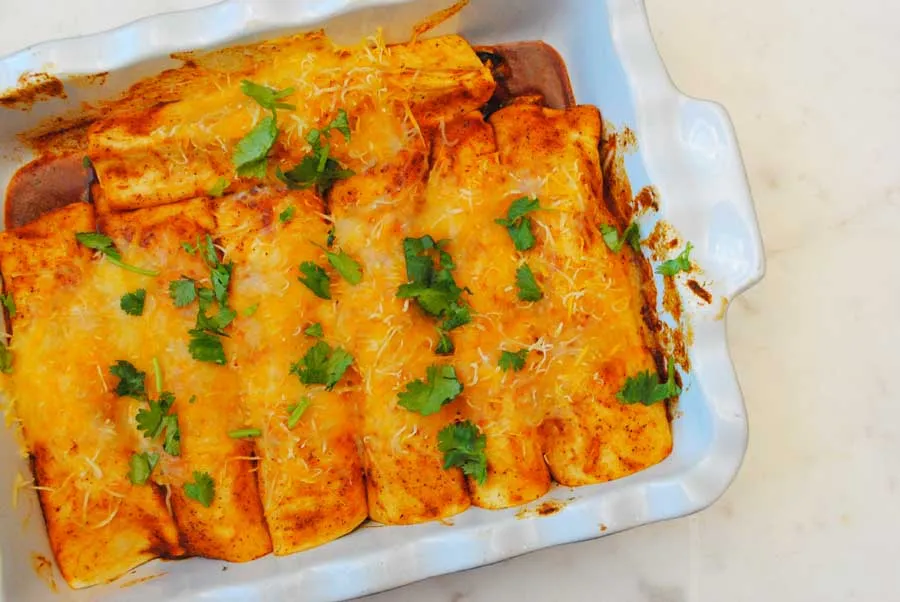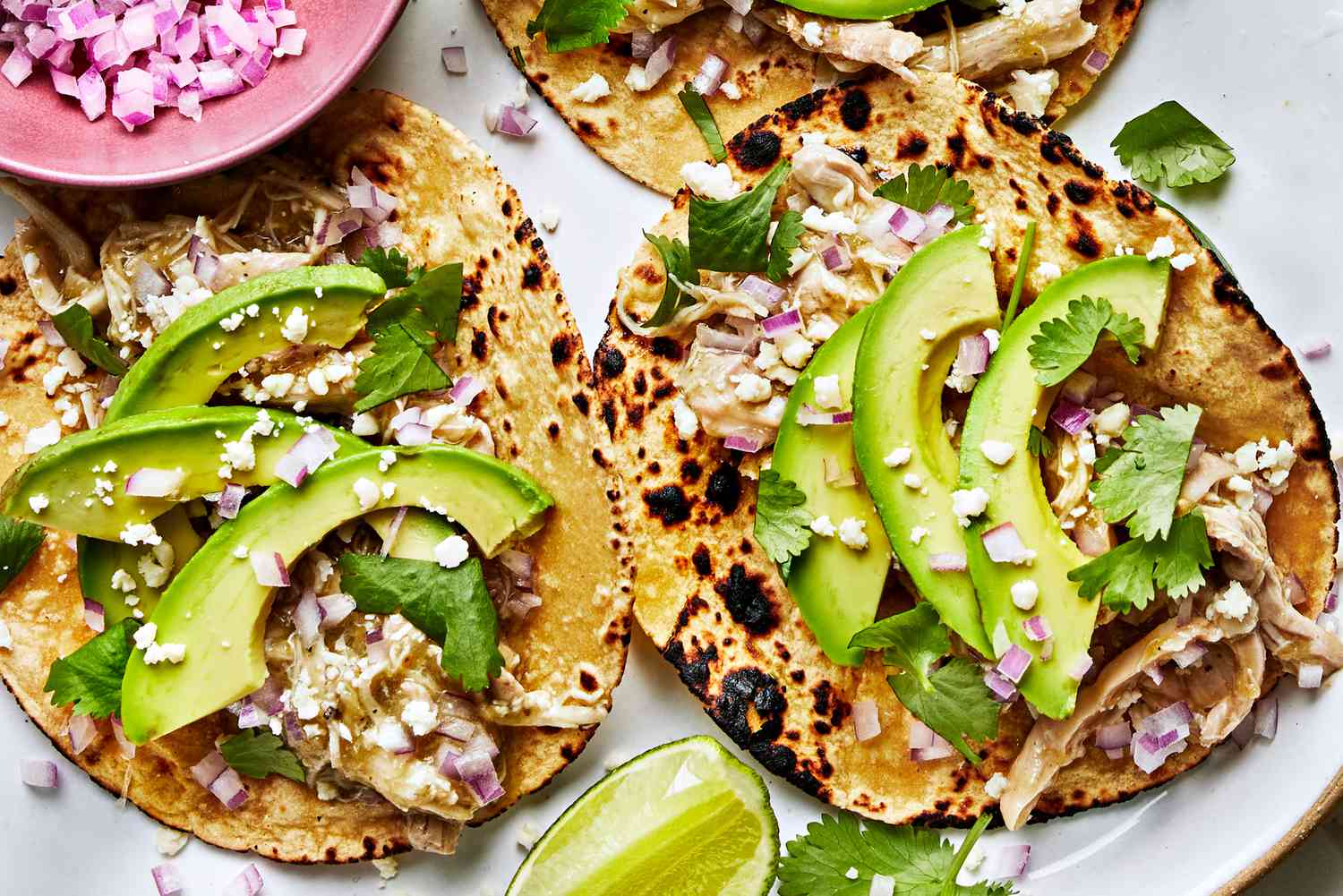
A true dump-and-go dinner: salsa verde chicken cooked until shreddable, then piled into warm tortillas with easy toppings. Make it mild or spicy, and prep it...
Article
Updated October 1, 2026
Homemade Taco Seasoning

Maya Chen
Maya Chen is a passionate home cook, recipe developer, and mother of two who believes that great food doesn't have to be complicated. Drawing from her multicultural upbringing and time spent in professional test kitchens, she creates approachable, flavor-packed recipes designed for real life.
Sizzlea
recipes
I keep a little jar of homemade taco seasoning in my spice drawer like it’s a kitchen safety net. On busy nights, it means tacos are never more than 20 minutes away. It also means no mystery ingredients, no scrambling for a packet, and you can dial the heat exactly where your household likes it.
Below is my go-to pantry blend, plus easy swaps for mild, medium, and spicy. Consider this your forever base recipe.
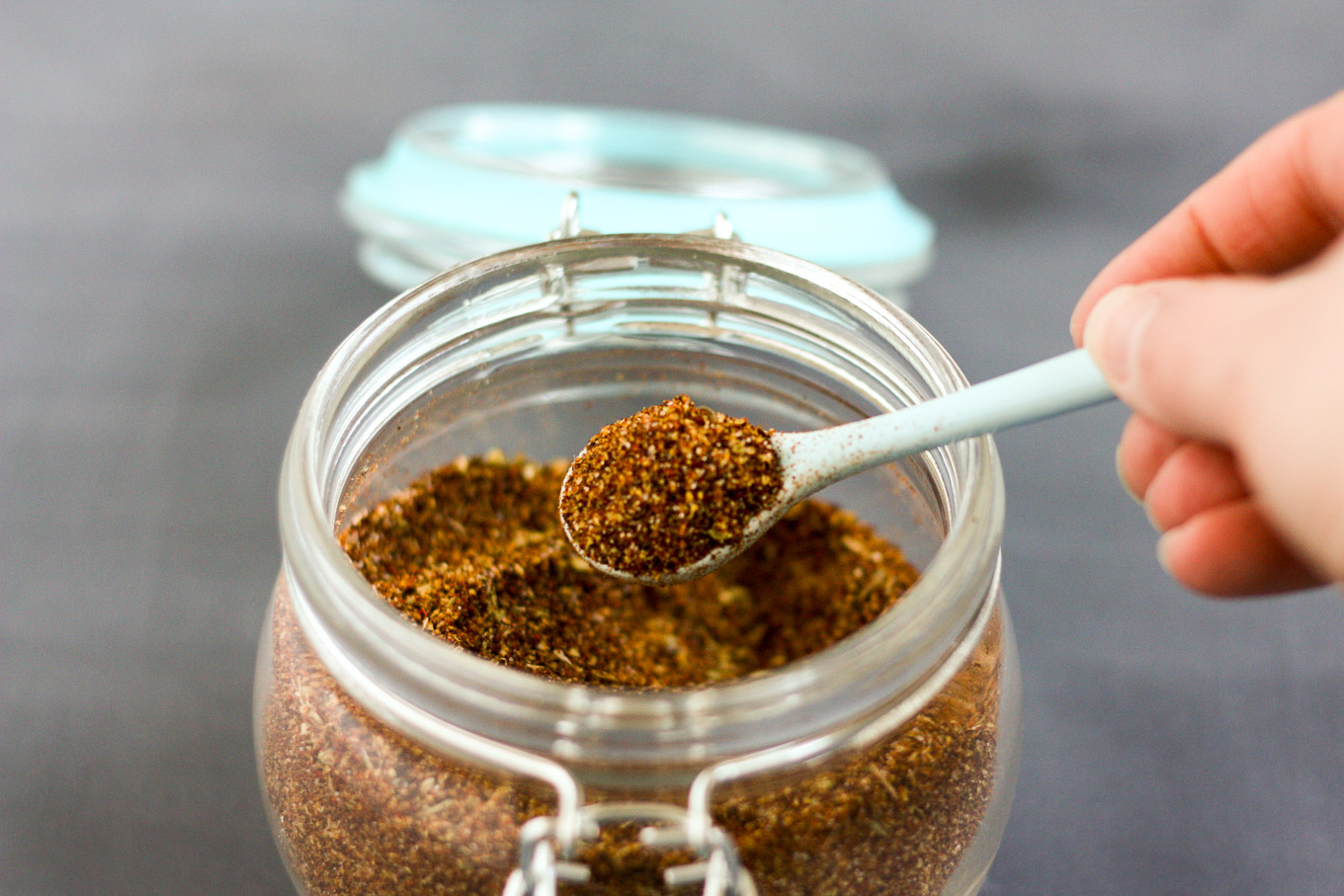
My simple taco seasoning ratio
This makes about 4 tablespoons total (roughly 1 ounce / 28 grams by weight, depending on your spices). That’s roughly equivalent to 1 store-bought packet for many brands, but packet sizes vary, so it’s best to season to taste.
Base mix (about 4 Tbsp)
- 2 Tbsp chili powder
- 1 Tbsp ground cumin
- 2 tsp smoked paprika (regular paprika works too)
- 1 tsp garlic powder
- 1 tsp onion powder
- 3/4 tsp fine salt
- 1/2 tsp dried oregano
- 1/4 tsp black pepper
- 1/8 to 1/4 tsp cayenne pepper (optional, for heat)
How to make it
- Measure everything into a small bowl or jar.
- Stir or shake until evenly combined.
- Smell it, then taste a tiny pinch. (Or, if you prefer, wait and taste once it’s cooked.) Adjust salt and heat to your liking.
Maya tip: In the U.S., “chili powder” usually means a blend (often mild) and not pure ground chiles. Brands vary a lot. If yours is super mild, you might like an extra 1 tsp. If it’s already spicy, skip the cayenne and keep the black pepper modest.
Adjust the heat
I’m all for heat, but I care even more about balance. Here are easy ways to tweak spice level while keeping that classic taco flavor.
Mild
- Skip the cayenne.
- Use sweet paprika (not hot).
- Keep black pepper at 1/8 tsp if you’re cooking for little kids.
Medium
- Add 1/8 tsp cayenne.
- Or add 1/4 tsp crushed red pepper instead.
Spicy
- Add 1/4 tsp cayenne, or up to 1/2 tsp if you like it bold.
- Add 1/2 tsp chipotle powder for smoky heat (one of my favorite upgrades).
If it gets too spicy: When you cook, tame it with a little extra liquid (water, broth, or tomato sauce) and finish with a cooling topping like sour cream, shredded cheese, or avocado.
Storage tips
Homemade taco seasoning is happiest in a cool, dry place.
- Container: An airtight jar or spice container with a tight lid.
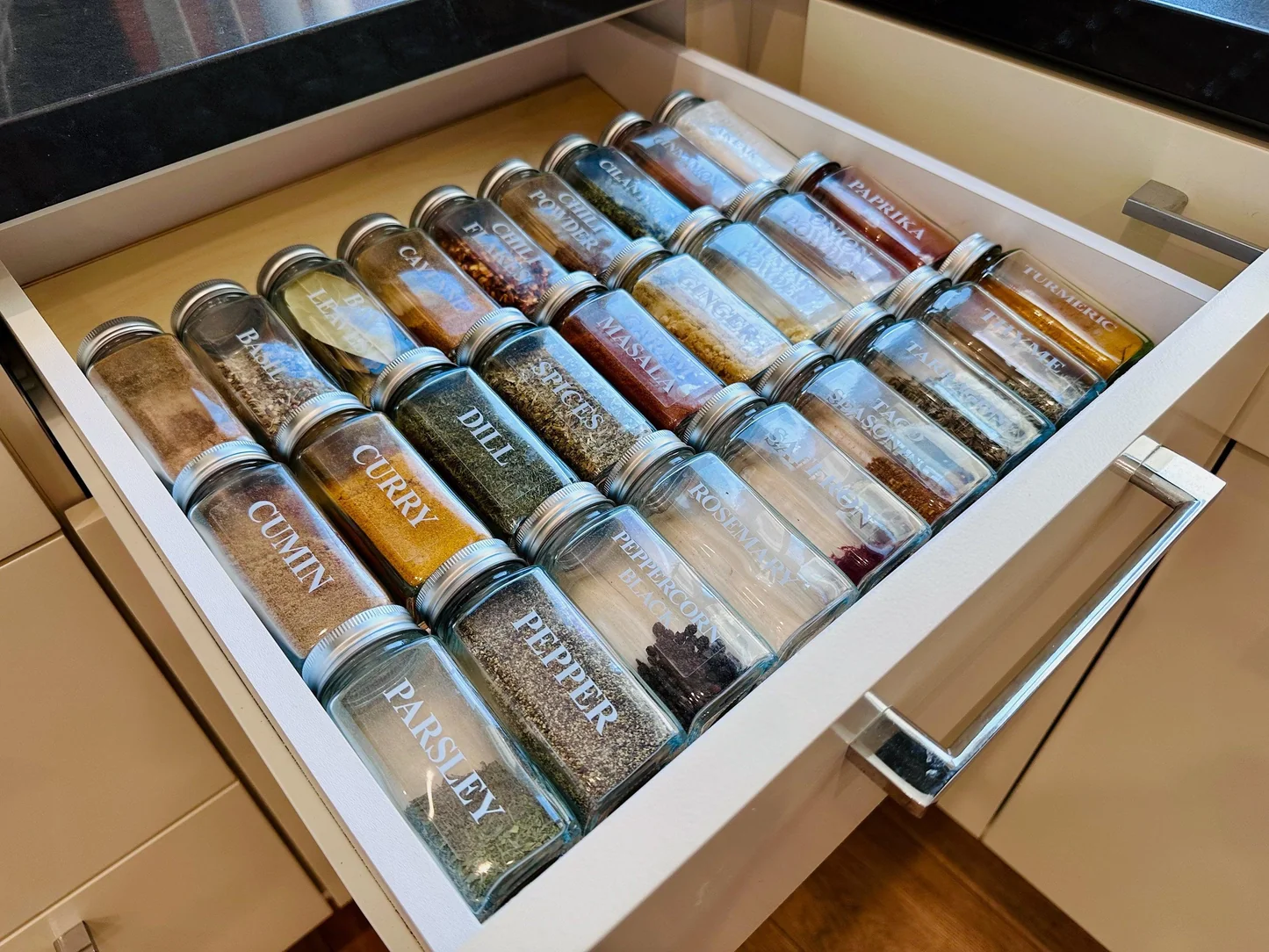
- Where: A cabinet or drawer away from the stove, heat, and sunlight.
- How long: Best flavor within 6 months. After that, it’s typically still safe, but the flavor can fade. If it smells flat or dusty instead of warm and fragrant, or the color looks dull, it’s time to refresh.
How much to use
This is the part that makes weeknights feel easy. Use this as your baseline, then adjust for your taste and what you’re cooking. (This blend is a little less salty than some packets, so you can be more generous without overdoing it.)
- For 1 lb ground meat (beef, turkey, pork): Use 2 to 3 Tbsp seasoning + 1/2 cup water (or broth). Simmer 3 to 5 minutes.
- For 1 lb chicken (ground, shredded, or diced): Use 2 to 3 Tbsp seasoning + 1/3 to 1/2 cup broth or water.
- For vegetables (about 4 cups chopped): Use 1 to 2 Tbsp seasoning + 1 to 2 Tbsp oil before roasting.
- For beans (1 can, drained): Use 1 to 2 tsp seasoning + a splash of water, then warm through.
Salt note: Because this mix includes salt, go easy on salting your meat or veggies until you taste at the end.
Quick usage notes
Ground beef taco meat
Brown 1 lb ground beef in a skillet. Drain excess fat if needed. Add 2 to 3 Tbsp seasoning and 1/2 cup water. Simmer until saucy, 3 to 5 minutes.
Little upgrade: Stir in 1 tsp tomato paste with the seasoning for deeper flavor.
Chicken tacos
For shredded chicken, toss warm shredded rotisserie chicken with 2 Tbsp seasoning and 1/3 cup broth. Simmer for 2 to 3 minutes so the spices bloom and coat everything.
For diced chicken breast or thighs, sauté in a little oil until cooked through, then add seasoning and broth to glaze.
Roasted taco vegetables
Toss bell peppers, onions, zucchini, mushrooms, cauliflower, or sweet potatoes with oil and 1 to 2 Tbsp seasoning. Roast at 425°F until browned at the edges and tender, usually 20 to 30 minutes depending on the veg.
Maya tip: Finish with a squeeze of lime and a pinch of salt after roasting. It makes everything pop.
Build-your-own tacos
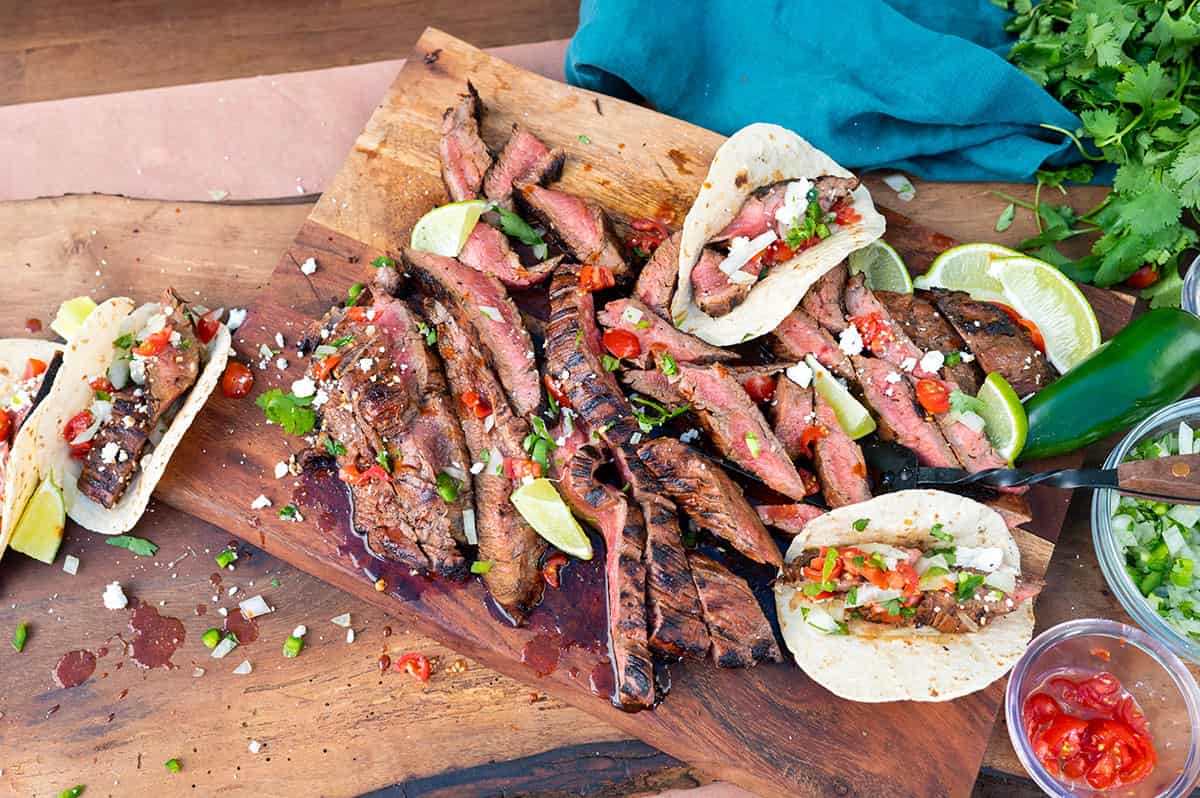
Warm tortillas, pile in your seasoned filling, and go big on toppings. Some favorites at my house: shredded lettuce, pico de gallo, pickled onions, sliced jalapeños, avocado, cotija or cheddar, and a drizzle of crema or hot sauce.
Easy variations
- No smoked paprika? Use regular paprika, then add a tiny pinch of chipotle powder if you’ve got it.
- Want it more savory? Add 1/2 tsp ground coriander.
- Love a Tex-Mex vibe? Add 1/2 tsp mustard powder.
- Prefer less cumin? Drop cumin to 2 tsp and bump oregano to 1 tsp.
- Need it salt-free? Omit salt entirely, then salt your dish while cooking.
FAQ
Is taco seasoning the same as chili seasoning?
They’re cousins, not twins. Taco seasoning usually leans heavier on cumin, garlic, and onion, and it’s designed to season meat and quick fillings. Chili seasoning often includes more chili powder and sometimes cocoa, cinnamon, or thickener-style ingredients (like masa harina or cornstarch), depending on the recipe.
Can I use cornstarch like the packets do?
You can. Add 1 tsp cornstarch to the mix if you like a thicker, clingy sauce on taco meat. When you simmer the seasoned meat with water, it’ll thicken slightly.
How do I scale this up?
For a big batch, multiply everything by 4 to make about 1 cup. I like storing it in a small jar with a 1 Tbsp scoop so weeknight me doesn’t have to measure.
Does homemade taco seasoning go bad?
It’s made of dried spices, so it’s more about flavor fading than spoiling. If it clumps, smells dull, or has lost that warm chili-cumin aroma, it’s time to mix a fresh batch.